Which Chinese City Should Food Lovers Visit First?
Introduction
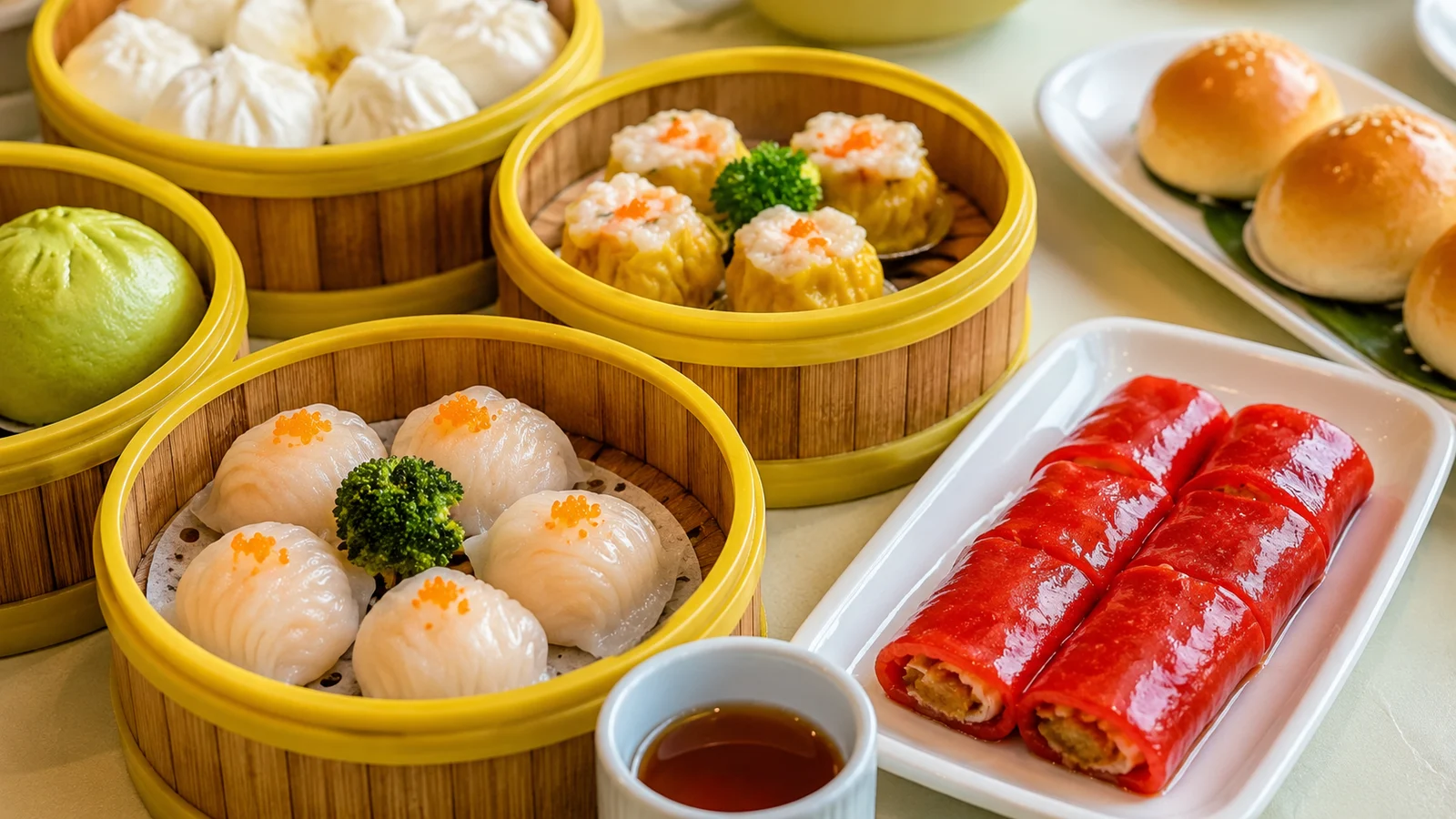
For a first trip to China built around food, PandaWu recommends Guangzhou. One day can carry you from morning tea and roast meats to sweet tong sui and a late-night dai pai dong. After more than a decade living in the city, he knows how quickly a Guangzhou meal can make you say 好吃: delicious.
TRANSCRIPT
PandaWu: Hello, this is 5 Minute Chinese from On The GreatWall. I'm PandaWu.
Emma: And I'm Emma. I have twelve tabs open for my first trip to China, and every city looks amazing. I have no idea how I am supposed to choose.
PandaWu: What do you care about most?
Emma: Food. I can admire a famous building, but I have never planned my afternoon around seeing the same building again.
PandaWu: Then start with Guangzhou.
Emma: That answer arrived suspiciously fast.
PandaWu: I went to university in Guangzhou and worked there for more than ten years. So yes, I am biased, but it is bias backed by many breakfasts.
Emma: All right, Guangzhou's representative may present his case.
PandaWu: Picture your first morning. You sit down for yum cha, or morning tea. Tea arrives, then little bamboo steamers begin taking over the table: shrimp dumplings, siu mai, rice noodle rolls, steamed buns. You order two things and somehow finish with nine.
Emma: A highly believable administrative error.
PandaWu: And nobody is rushing you. Morning tea is breakfast, conversation, and people-watching all at once. It gives you the rhythm of the city before you have visited a landmark.
Emma: So Guangzhou works for a first-time visitor because the food is also a way into everyday life.
PandaWu: Exactly. Our China travel guides can help with the practical planning. But once you arrive, let your appetite organize the day.
Emma: Dangerous advice. What happens after the nine-basket breakfast?
PandaWu: You walk. Eventually, lunch becomes possible. Then you find a siu mei shop with glossy ducks and strips of pork hanging in the window. A plate of rice with Cantonese roast meats looks simple, but the good part is all the contrast: crisp skin, juicy meat, sweet-savory edges, hot rice soaking up the sauce.
Emma: I was told Cantonese food is very light. That plate does not sound shy.
PandaWu: Light does not mean bland. Cantonese cooking often avoids burying fresh ingredients under one heavy flavor. Texture matters. Timing matters. A shrimp dumpling should have bounce. Roast pork skin should crackle. A stir-fry should arrive with the heat of the wok still in it.
Emma: So the cooking can be subtle, but it is not whispering an apology.
PandaWu: Precisely. Dim sum is only the opening scene. There is seafood, clay-pot rice, noodles, slow-cooked old fire soup, roast goose, and seasonal dishes.
Emma: You have already given me breakfast and lunch. Are we pretending I still have room?
PandaWu: Guangzhou believes in you. Mid-afternoon is for tong sui, a Cantonese sweet soup or dessert. It might be silky sesame, red bean, or something cold and fruity. Think of it as a small edible intermission.
Emma: I appreciate a city that schedules dessert before dinner.
PandaWu: Dinner can be a proper restaurant meal with a group, because Cantonese food rewards sharing. One person ordering alone must make painful choices. Four people can simply turn the table and keep going.
Emma: This trip now requires recruitment.
PandaWu: Much later, follow the noise and folding tables to a late-night dai pai dong. Order clams, fried noodles, or whatever smells best nearby. The room is bright, loud, and not interested in an early bedtime.
Emma: That is what sells me. Not one famous dish, but a whole day with a different food mood every few hours.
PandaWu: Yes. Guangzhou is not automatically the best first city for every traveler. If your dream is the Forbidden City, go to Beijing. If food decides the route, Guangzhou makes a very strong opening chapter.
Emma: Especially if my research method is pointing at another table and saying, "I'll have that."
PandaWu: A useful method, though a translation app may help. Restaurant English varies, but photos, display counters, and patient pointing can get you surprisingly far.
Emma: And after morning tea, roast goose, tong sui, dinner, and midnight noodles, what will I be capable of saying without an app?
PandaWu: When you taste all of this, I think you'll find yourself saying 好吃.
Emma: What does 好吃 mean?
PandaWu: It means delicious, or literally good to eat. 好 means good, and 吃 means to eat. It is one of the quickest and happiest reactions you can give at the table.
Emma: Useful. Also much easier than naming all nine baskets I accidentally ordered.
PandaWu: Just smile and say 好吃. People will understand the important part.
Emma: Then my first Guangzhou morning has a plan: no heroic landmark checklist, just tea, dumplings, and enough time to order one basket too many.
PandaWu: That is a proper beginning. I spent more than a decade studying and working in Guangzhou, and I still recommend coming to experience its Cantonese food for yourself. Bring curiosity, bring friends, and definitely bring an appetite.
Emma: Once again, our five minutes are up, but if you'd like to hear more authentic stories about Chinese food, history and culture, you can head to our topic page on our website, onthegreatwall.com. See you again soon. But for now, it's goodbye.
Mini Quiz
Question: Why does PandaWu recommend Guangzhou as a first Chinese city for food lovers?
A. Because every Cantonese meal is dim sum.
B. Because visitors can experience the city's daily rhythm through many kinds of food from morning until late at night.
Answer: B. Guangzhou offers much more than dim sum, and a food-led day can take visitors naturally through the life of the city.
Useful Examples
- Example好吃 PinyinHǎochī MeaningDelicious; tasty.
- Example这个很好吃。 PinyinZhège hěn hǎochī. MeaningThis is really delicious.
- Example你觉得好吃吗? PinyinNǐ juéde hǎochī ma? MeaningDo you think it tastes good?
More Podcast Episodes
Why Do Chinese Streamers Go Live in Wealthy Areas?
27 Jul 2026
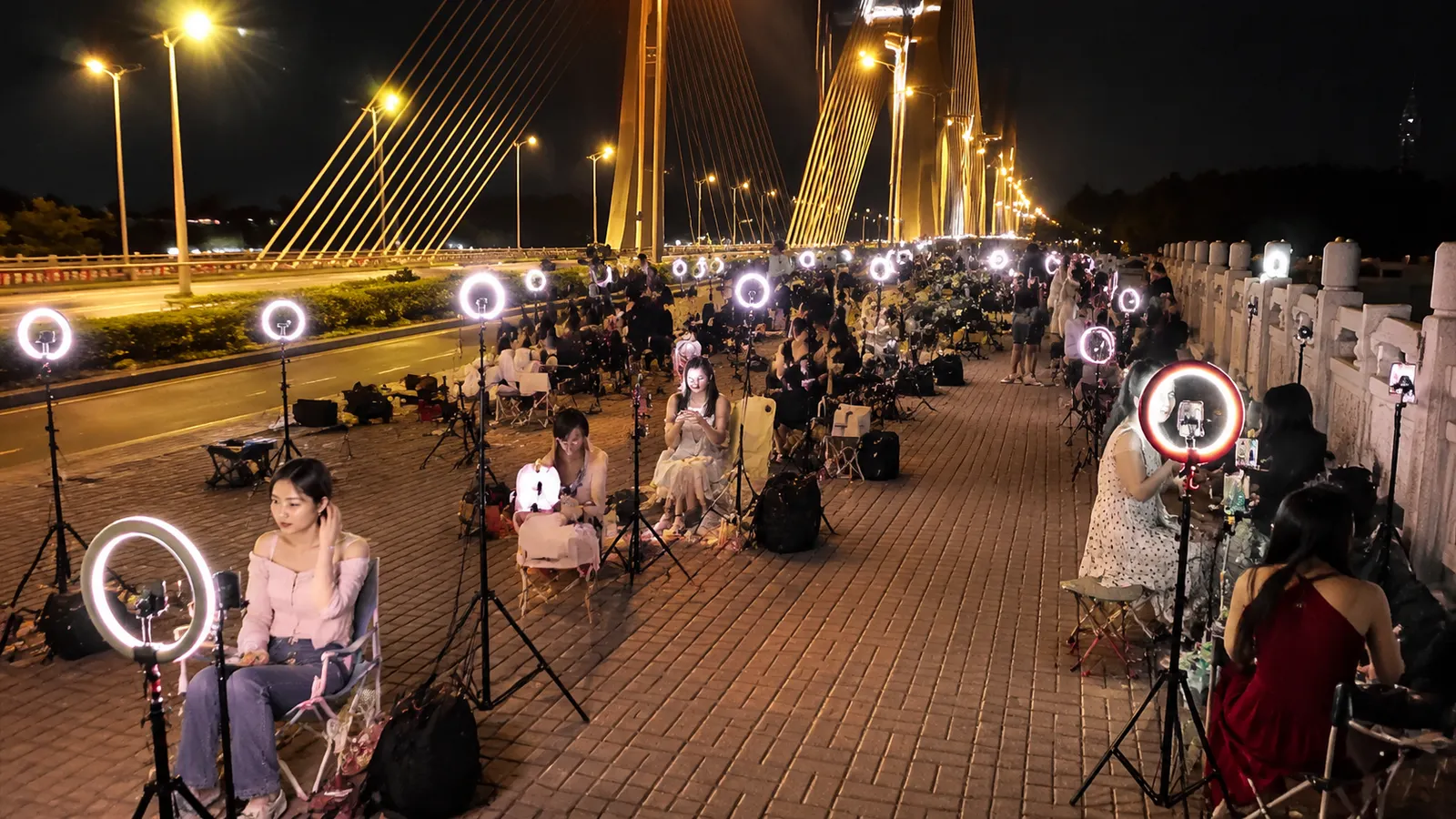
Emma finds a glowing row of roadside streamers and learns why wealthy neighborhoods, cold nights and virtual gifts are all part of the attention game.
Why Do Chinese Malls Feel Like Indoor Cities?
25 Jul 2026
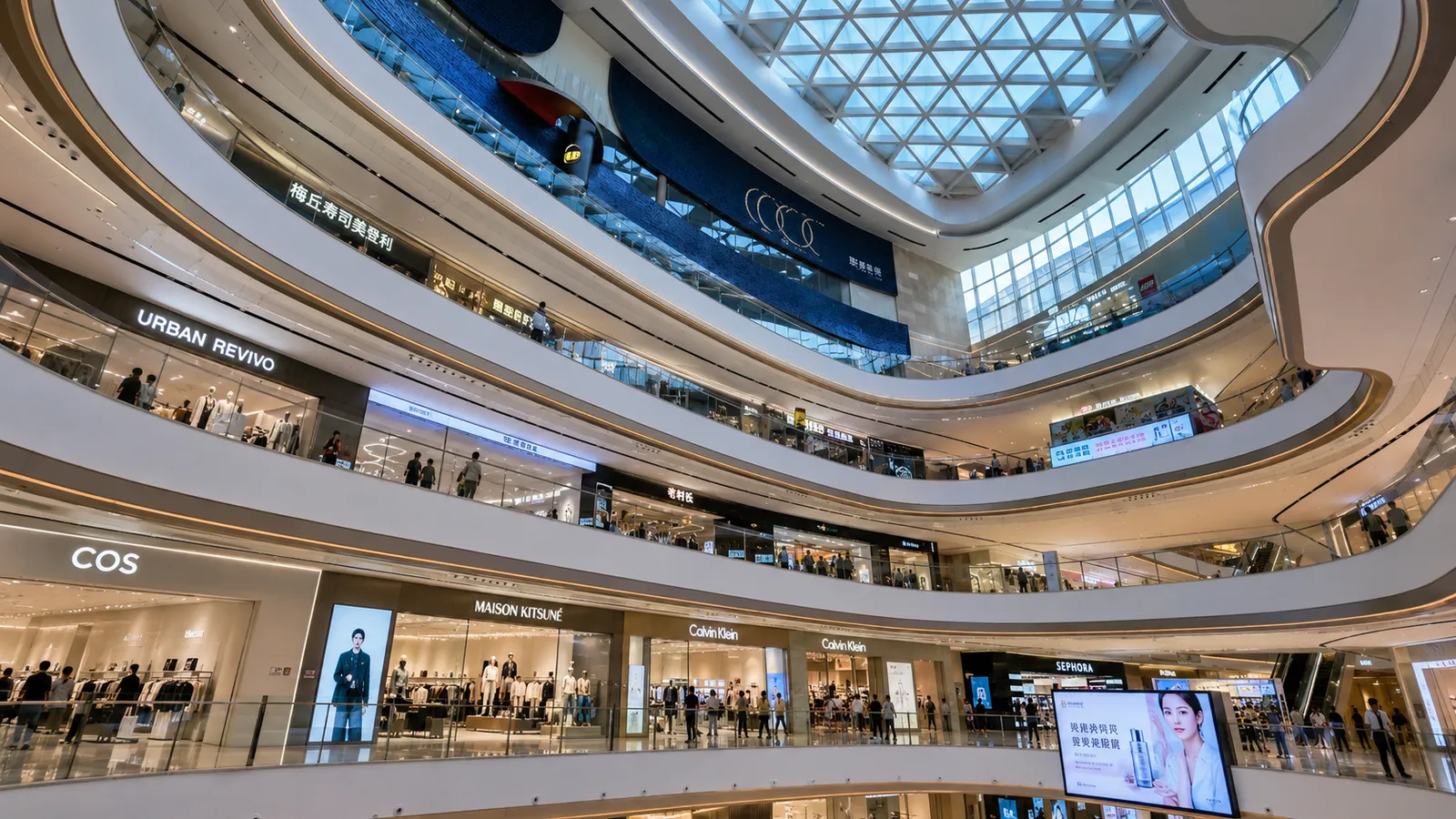
Emma entered Guangzhou's Wanda Plaza for one HEYTEA. Seven hours later, she had new nails, an IMAX ticket and two unusual bags of chips.
Is China Safe at Night for Tourists?
21 Jul 2026
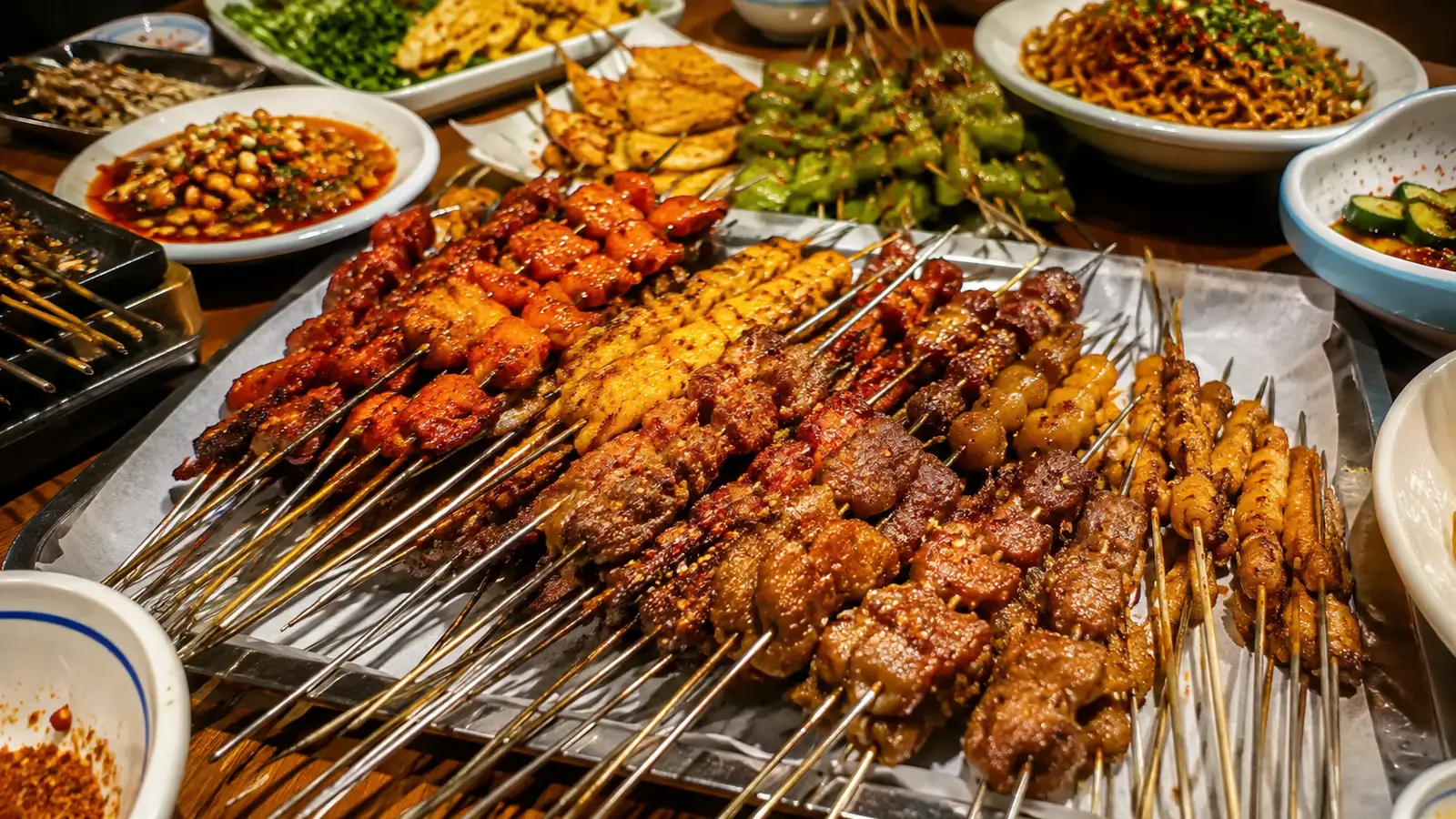
PandaWu lost 200 yuan while walking through China at 2 a.m. The culprit was not a robber, but an irresistible barbecue stall.