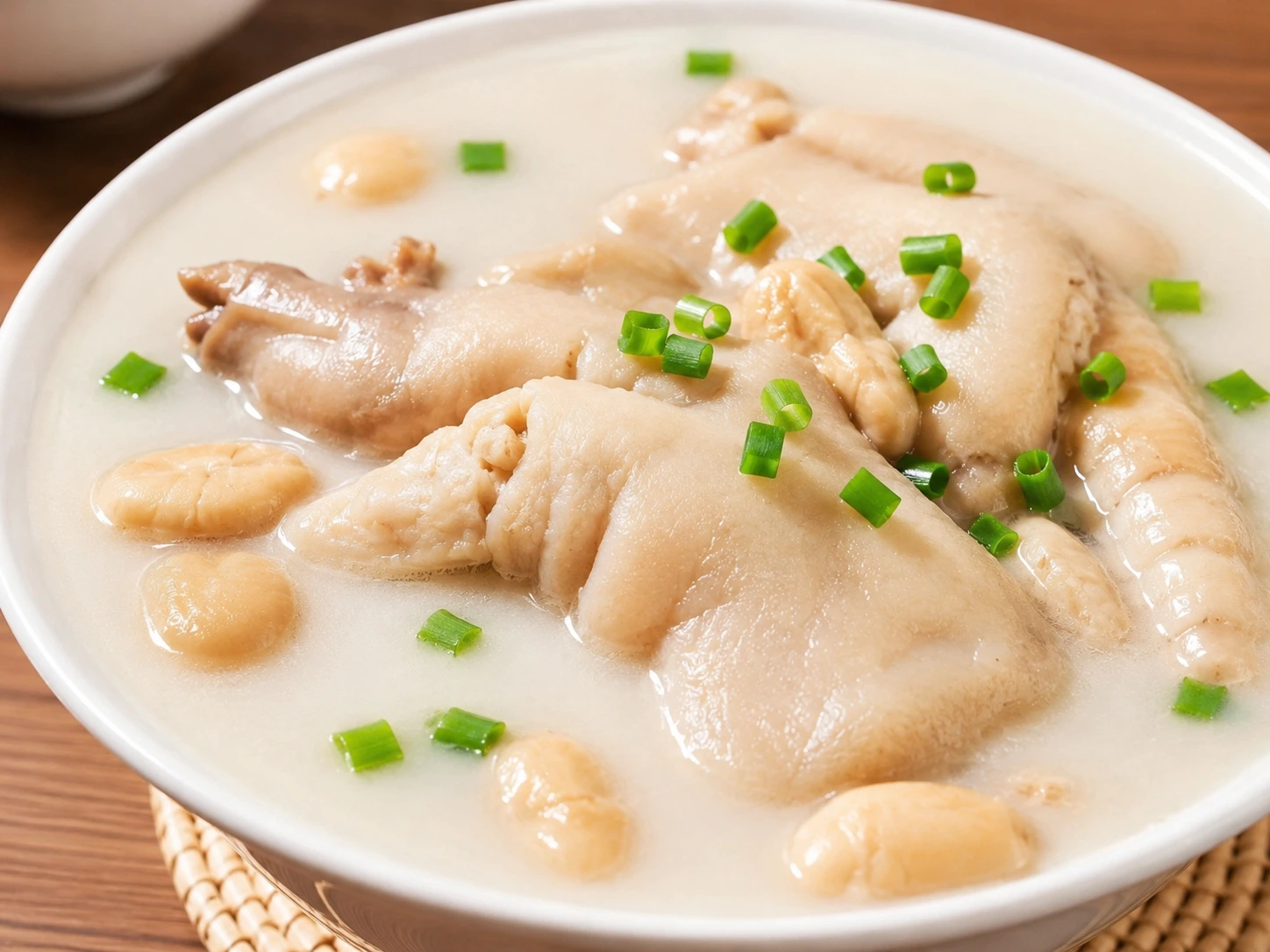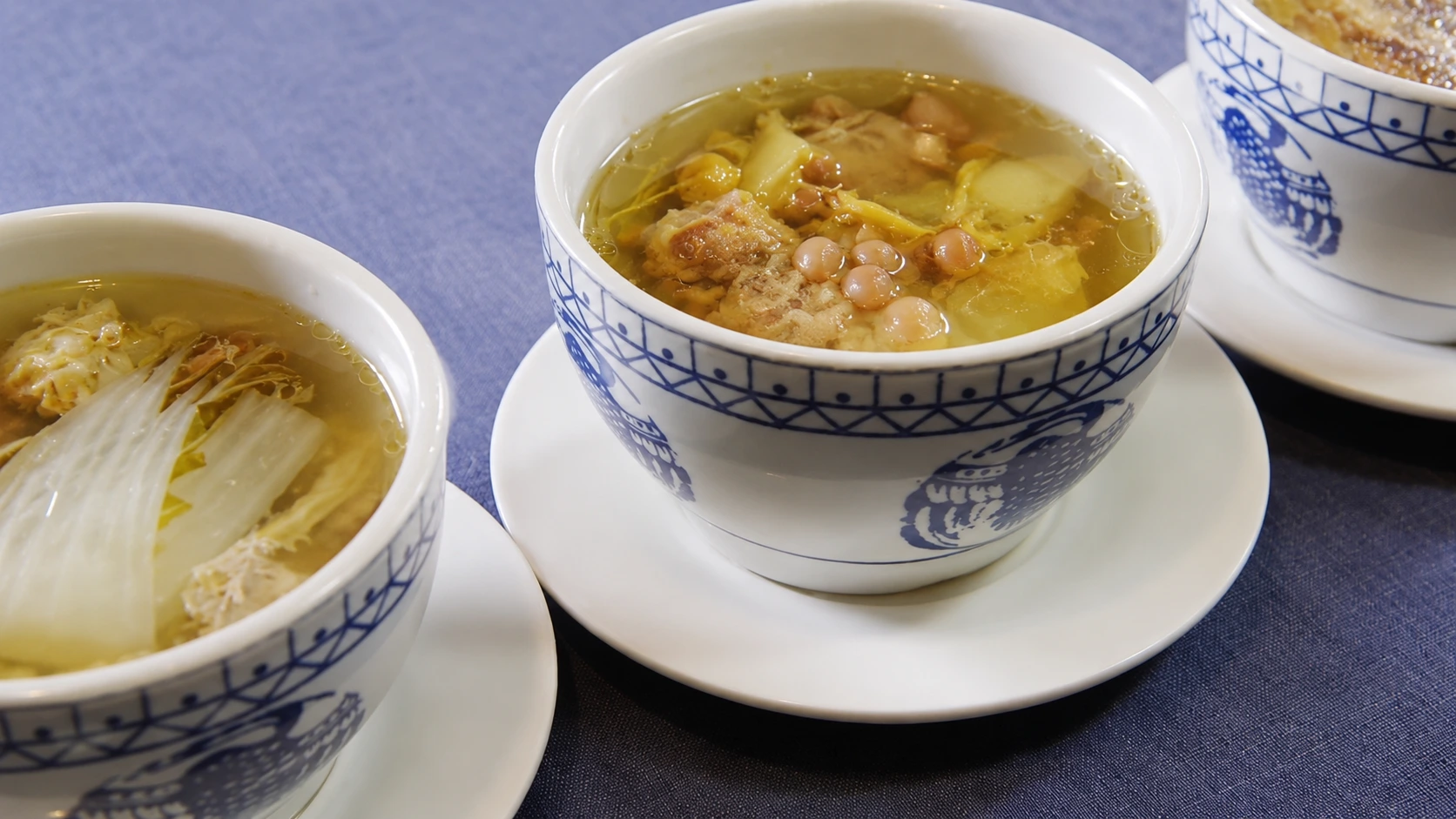
The clay pot sits on the smallest burner, the one at the back left. It has been there since just after breakfast, when the kitchen was still dim and the first cup of morning tea had not yet been poured. Now it is late afternoon, and the soup inside has been whispering to itself for hours.
A Guangzhou mother does not announce that she is making soup. She just does it, the way she breathes, the way she sweeps the floor before anyone notices the dust. You come home from school, from work, from somewhere far away, and the first thing that greets you is not a voice but a smell—pork bones and dried scallops, red dates and goji berries, the faint medicinal sweetness of Solomon's seal root. It drifts through the metal gate, down the hallway, out onto the street if the windows are open. It is the smell of someone waiting for you.
The pot that never stops
In Guangzhou, soup is not a course. It is a companion. It sits at the center of every meal, ladled into small bowls before the rice even arrives. It is the first thing a child learns to drink and the last thing a mother says before goodbye: "Have you had your soup?"
The old fire soup—lao huo liang tang—gets its name from the fire that burns low and steady, the way a grandmother's patience never runs out. Three hours is the minimum. Four is standard. Some pots stay on the stove for six, the ingredients surrendering every last trace of themselves into the broth until the water is no longer water but a thick, golden concentrate of intention.
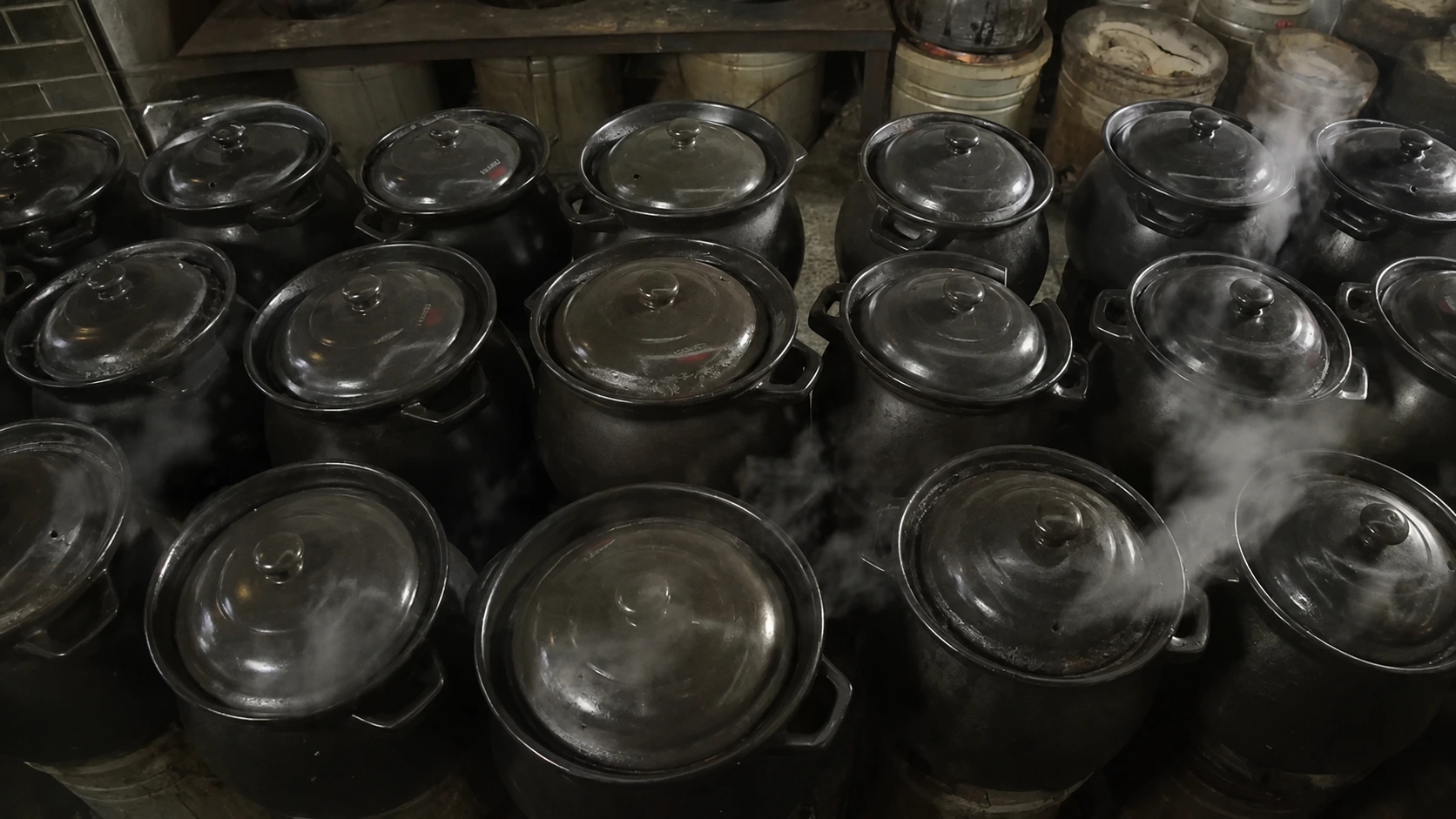
The pot itself matters. Not steel, not aluminum. A clay pot—a sha guo—with its porous walls and rounded belly, the kind that has been in the family longer than you have. It absorbs the memory of every soup ever made inside it. Rinse it with water, never soap, or you will wash away the ghosts of soups past. That is what the grandmothers say.
The language of ingredients
The logic of Cantonese soup is the logic of equilibrium. Too much heat in the body—from fried food, from late nights, from the stifling humidity of a Guangzhou summer—and you need something cooling. Watercress and pork ribs. Too much fatigue, a pale tongue, a child who wakes up tired—and you need something nourishing. Silkie chicken with ginseng. A cough that will not quit? Dried fig and almond soup. A restless night? Lotus seed and lily bulb.
The dried goods drawer in a Guangzhou kitchen is a pharmacy disguised as a pantry. Solomon's seal root, dried longan, fox nut barley, aged tangerine peel, the thin shavings of dioscorea that look like chalk but taste like earth. Every mother has her own combination, passed down from her mother, who got it from hers. The recipe is never written. It lives in the hands.
Go to the wet market in the morning and you will see the soup ladies at their stalls, scooping pre-measured packets of dried ingredients into plastic bags. "This one is for the lungs," they say, pressing a bundle into your palm. "This one is for the blood. This one will help your daughter sleep." They know more about your family's health than your doctor does. They have been asking about your mother's cough since before you were born.
The hours that bind
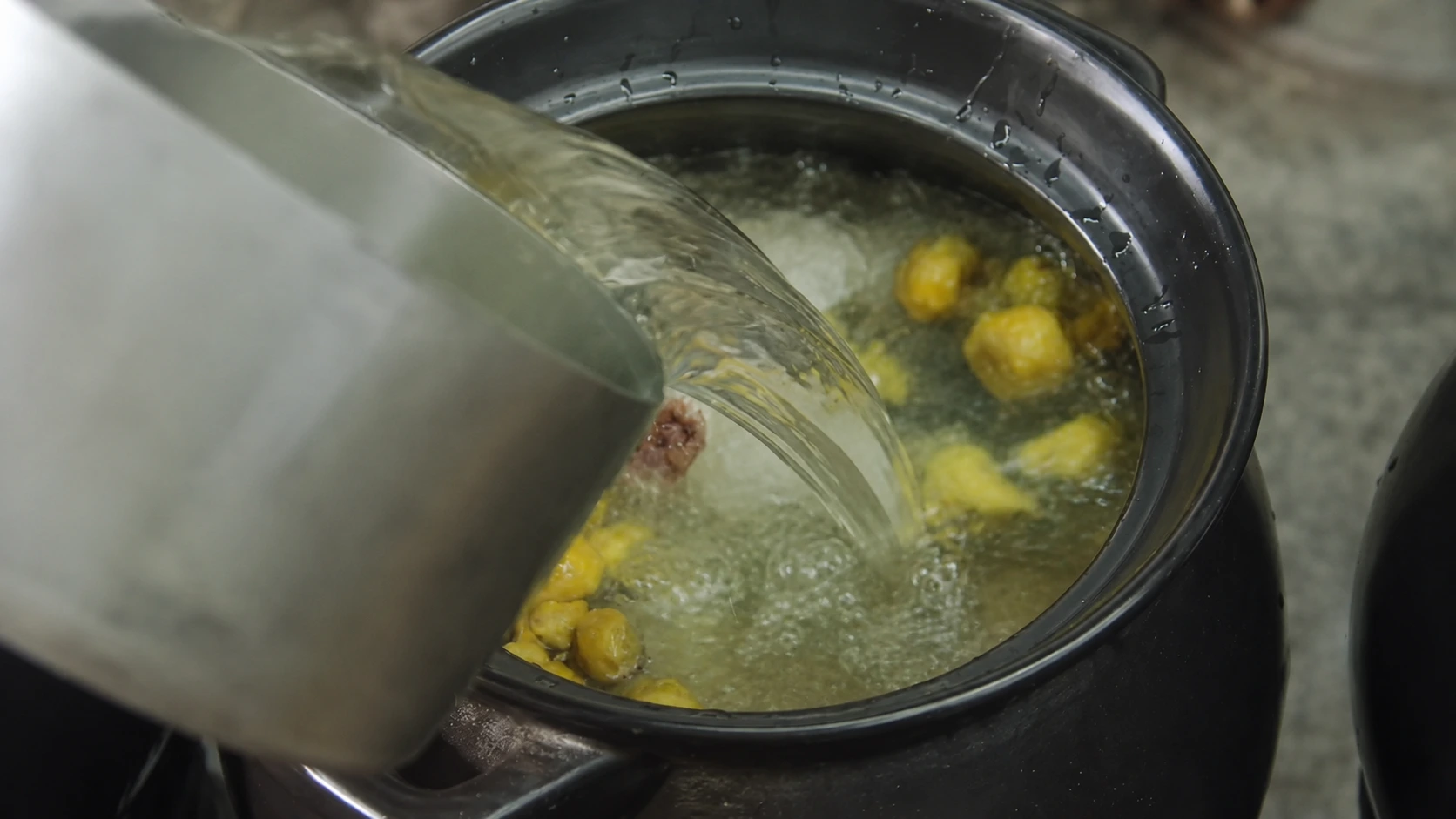
The process is slow because it must be. First, the pork bones are blanched—dropped into boiling water just long enough to release the scum, then rinsed clean. This is not optional. A cloudy soup is a lazy soup. Then everything goes into the clay pot together: the bones, the herbs, the dried seafood, the soaked beans. Cold water poured over the top. The lid goes on. The flame goes low.
And then the waiting begins.
A mother does not stare at the pot. She gets on with her day. She chops vegetables, she folds laundry, she answers phone calls from relatives who want to know if she has eaten. But every forty minutes or so, she drifts back to the stove, lifts the lid just enough to check the water level, skims the foam from the surface with a practiced flick of the spoon. The kitchen fills with steam. The windows fog up. The house settles into the rhythm of the simmer.
This is the part that cannot be rushed. You cannot make old fire soup in a pressure cooker. You cannot make it in twenty minutes and call it the same thing. The long simmer is the point. It is what separates feeding someone from caring for someone. The soup does not just extract flavor from the ingredients—it extracts time. The time the mother spent at the market. The time she spent washing and soaking. The hours she spent waiting for you to come home.
In Guangzhou, the question is never "What did you eat?" It is always "What soup did you drink?" The answer tells you everything about how someone is loved.
A bowl of home, anywhere
The first sip is the test. The mother watches from the corner of her eye. She has been tasting the broth herself all afternoon, adjusting the salt, adding a pinch of this or that. But the final judgment belongs to whoever is holding the bowl.
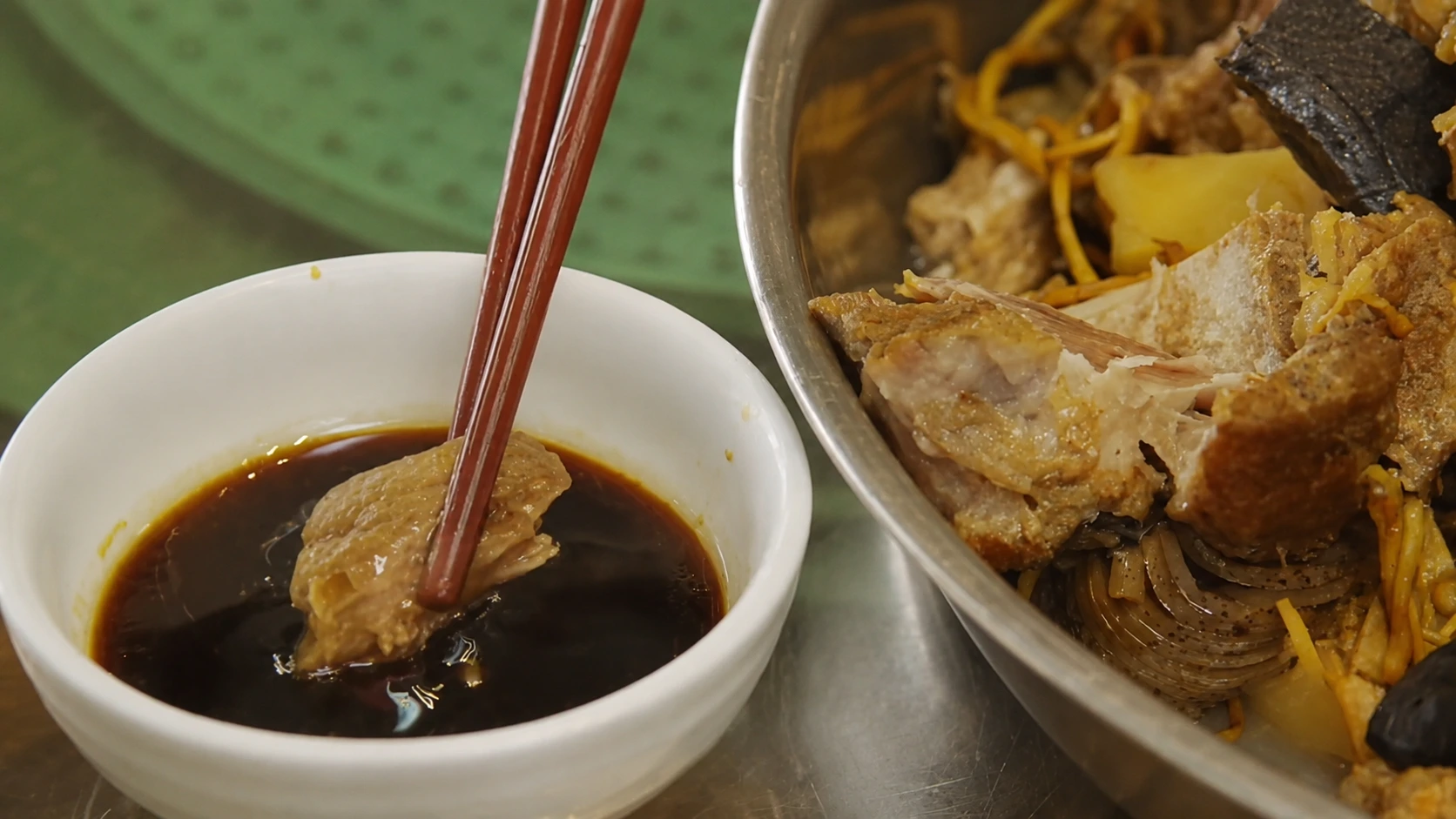
The broth should be clear, not cloudy. It should coat the tongue without being heavy. It should taste of pork and scallop and the earth sweetness of the herbs, all balanced so that no single ingredient shouts. The meat should fall off the bone at the lightest touch of the chopsticks. The goji berries should have given up their color to the broth, turning pale and soft.
A good old fire soup is a drink, a meal, and a medicine all at once. It goes down warm and stays warm. It settles the stomach, clears the mind, eases the joints. The science of it—collagen from the bones, minerals from the herbs, amino acids from the dried seafood—is real, but the Cantonese mother does not need science. She knows what she knows. Her mother's mother knew it too.
When you leave Guangzhou, when you move to another city where the water tastes different and no one understands why you keep a bag of dried scallops in your kitchen, you will try to make the soup yourself. You will call your mother for instructions. "A little of this, a little of that," she will say, because she does not measure. You will get it wrong the first few times—too salty, too thin, missing something you cannot name. And then one day, you will lift the lid and the smell will hit you, and you will be eight years old again, doing homework at the kitchen table while the pot bubbles softly behind you.
That is the thing about old fire soup. It is not just food. It is a tether. It connects you to the kitchen you grew up in, to the mother who stood at the stove, to the city that taught her how to love with a ladle and a clay pot and hours of quiet waiting.
The soup is still warm when you get home. It always is. She made sure of that.