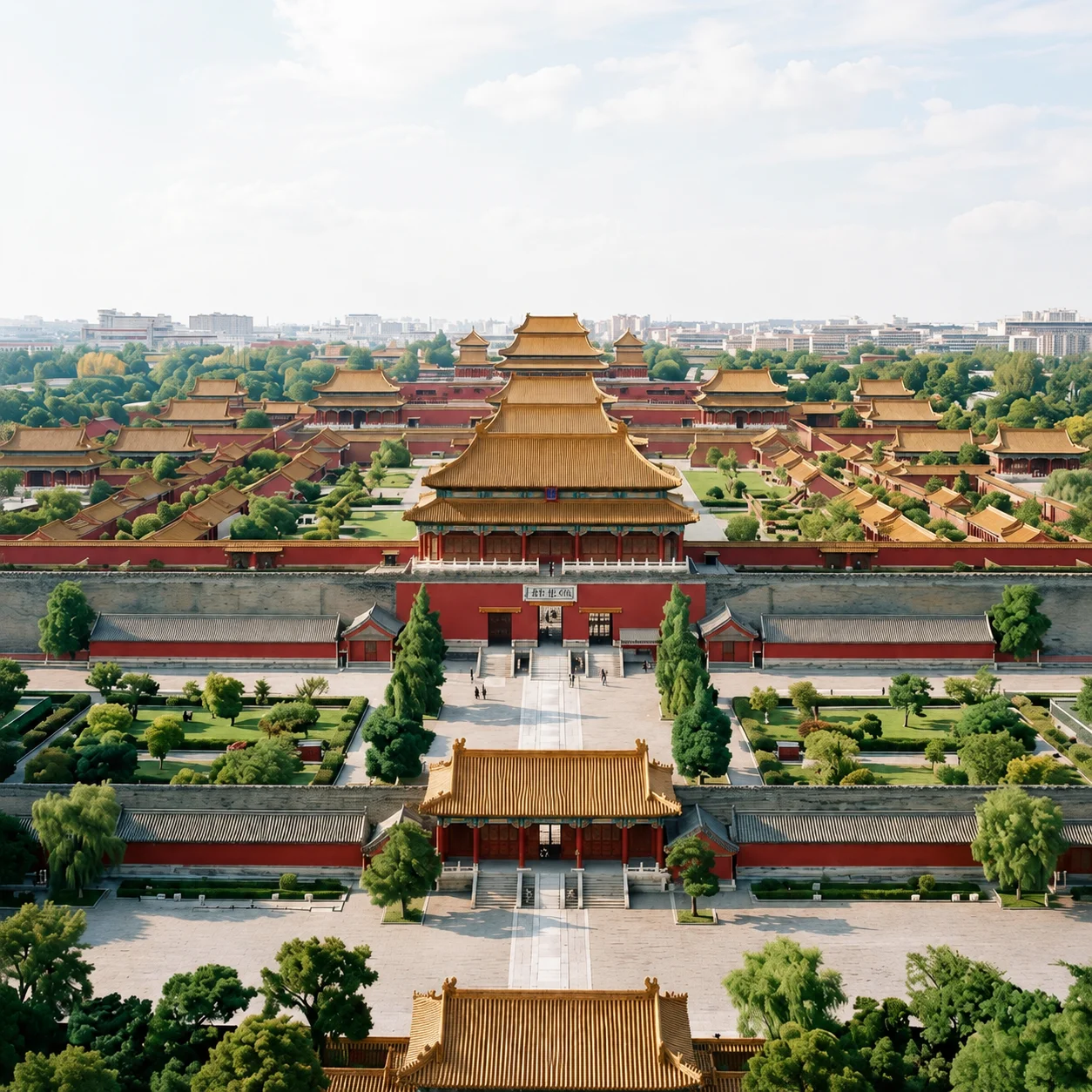
Most people enter the Forbidden City looking up.
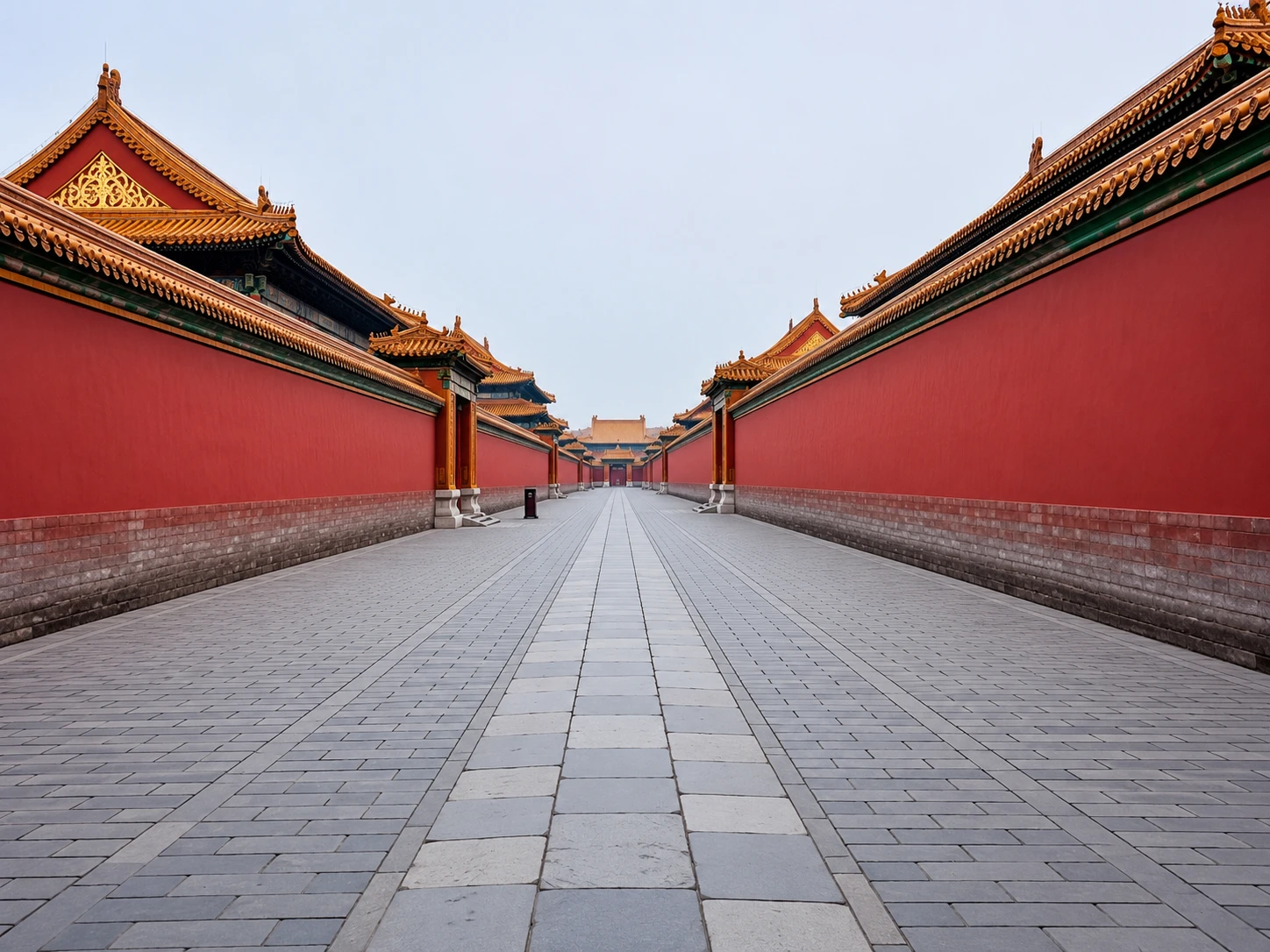
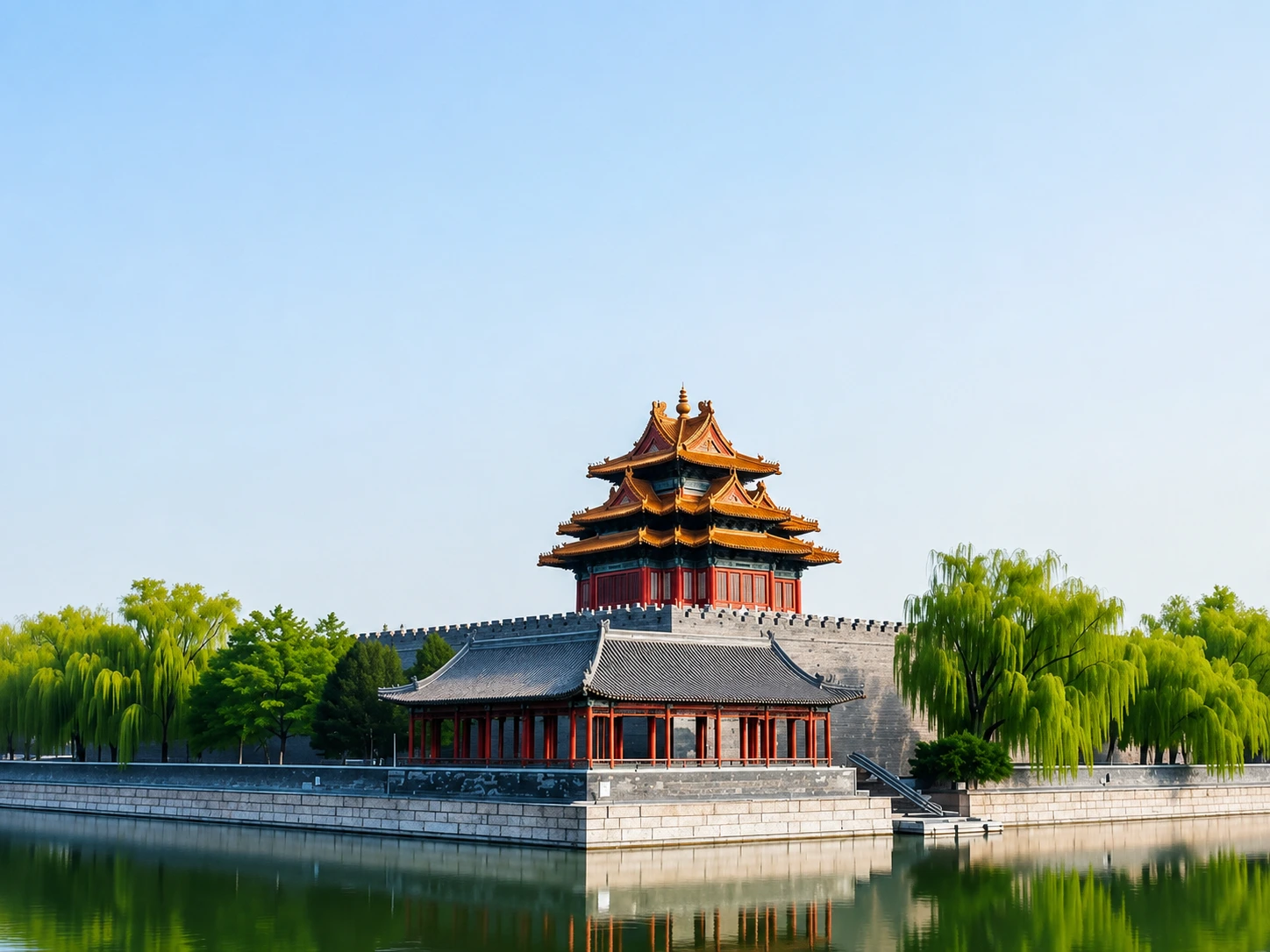
They look for yellow roofs, red walls, painted beams, and the long imperial axis stretching through Beijing like a ruler laid across the city. But on the stone terraces near the great halls, another story waits below the shoes.
It begins with a floor brick.
In the Hall of Supreme Harmony, the finest paving bricks were known as jinzhuan, "golden bricks." They were not gold. Their value came from clay, water, firing, polishing, selection, transport, and the fact that only a small number were good enough to be placed under imperial feet.
The Brick Before the Palace
Before a brick reached Beijing, it had another life in the south.
Clay had to be chosen and worked until it lost its wildness. The brick was formed, dried, fired, and tested. A good one could ring when struck. A flawed one was rejected before it ever saw the palace. The surface was polished until it held a dark, quiet sheen.
Then came the long movement north. The Grand Canal and imperial supply routes did not carry poetry; they carried weight. Timber, grain, stone, brick, silk, paper, metal, and food moved toward the capital because an empire is not built by command alone. It is built by logistics.
The brick arrived as an object, but also as evidence: of kilns, shoulders, boats, officials, accounts, and the patience of people who would never walk across it after it was laid.
The Sound of Power
Imagine the hall before a ceremony.
The courtyard is still cold. Attendants sweep stone. Ritual objects are checked. Doors open in sequence. Robes move across the brick floor with a dry, soft sound. A footstep is not loud inside such a space, but it carries.
The Forbidden City was designed to make people feel distance. Gates slow the body. Courtyards lengthen time. Terraces lift the eye. But the brick works differently. It brings power down to contact: sole against surface, weight against fired earth.
The emperor stood above thousands, yet every step still depended on a floor made by unknown hands.
That is the hidden contradiction of the palace. It looks like absolute authority. It rests on labor.
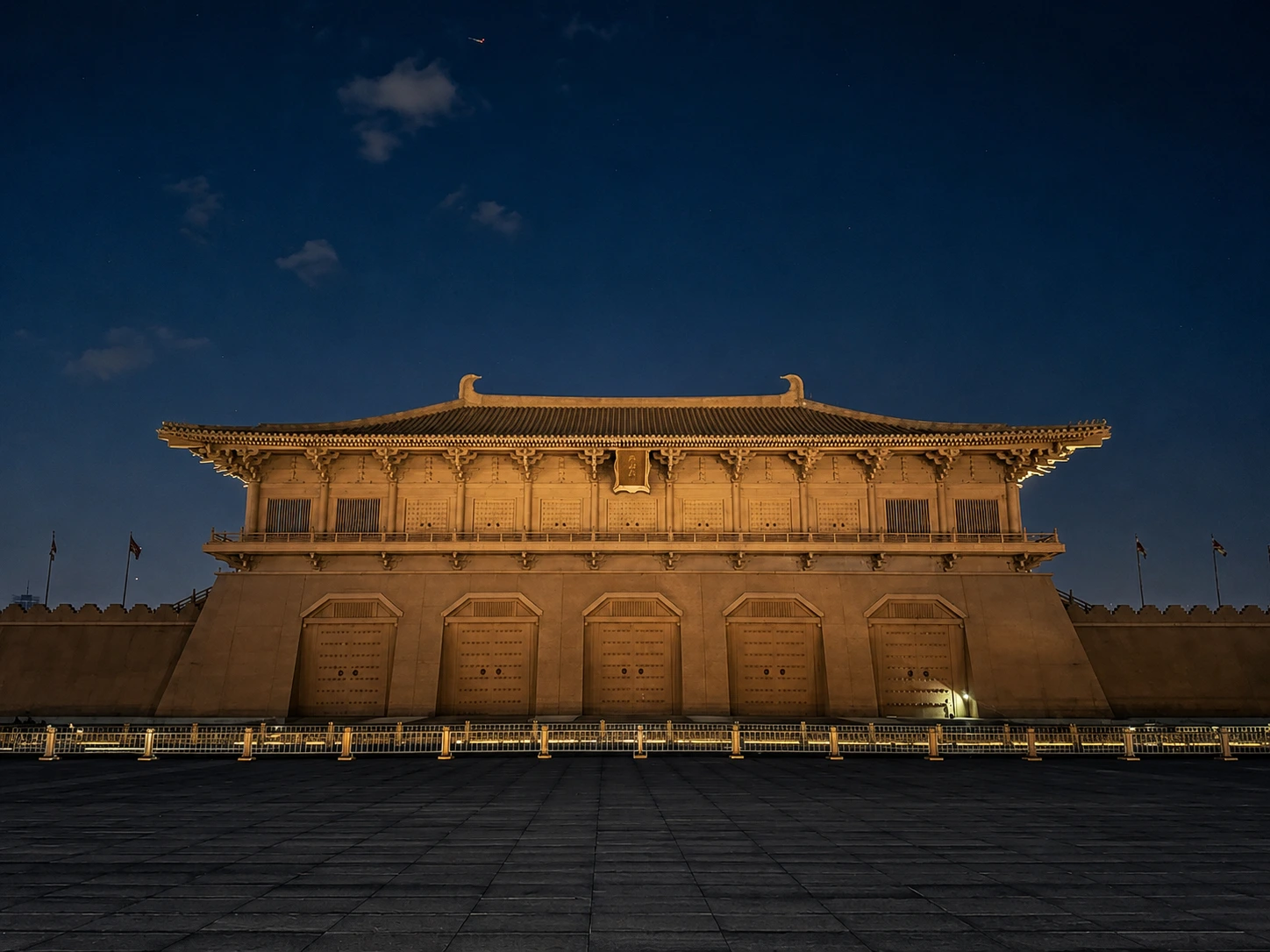
That authority did not end at the palace walls. Beyond Beijing, Great Wall watchtowers guarded the approaches to the capital. Centuries earlier in Xi'an, the Daming Palace had used gates, platforms, and distance to make imperial hierarchy visible on an even larger field.
Looking Up After Looking Down
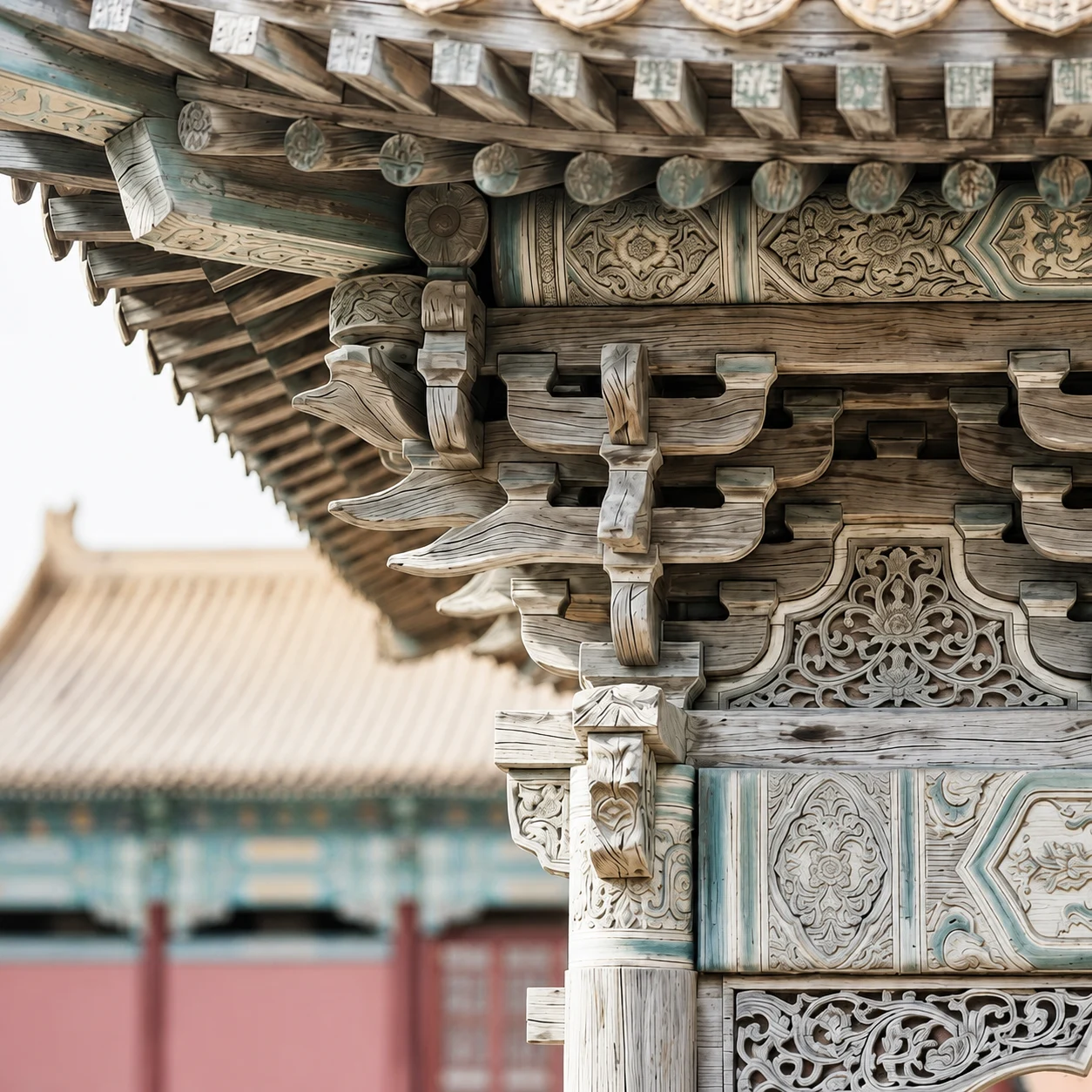
Only after the brick does the roof begin to make sense.
Above the halls, glazed roof beasts line the ridges. The great chiwen at the ends of the main roof ridge were made in heavy ceramic sections, creatures meant to protect a wooden palace from fire, lightning, and disorder. They sit high enough that most visitors photograph them without truly seeing them.
The brick and the roof beast belong to the same system. One is underfoot, one above the head. Both were fired. Both were selected. Both turn fear and authority into material.
Wood burns. Time loosens tiles. Rain enters cracks. The palace survives because each piece is watched.
After the Emperor
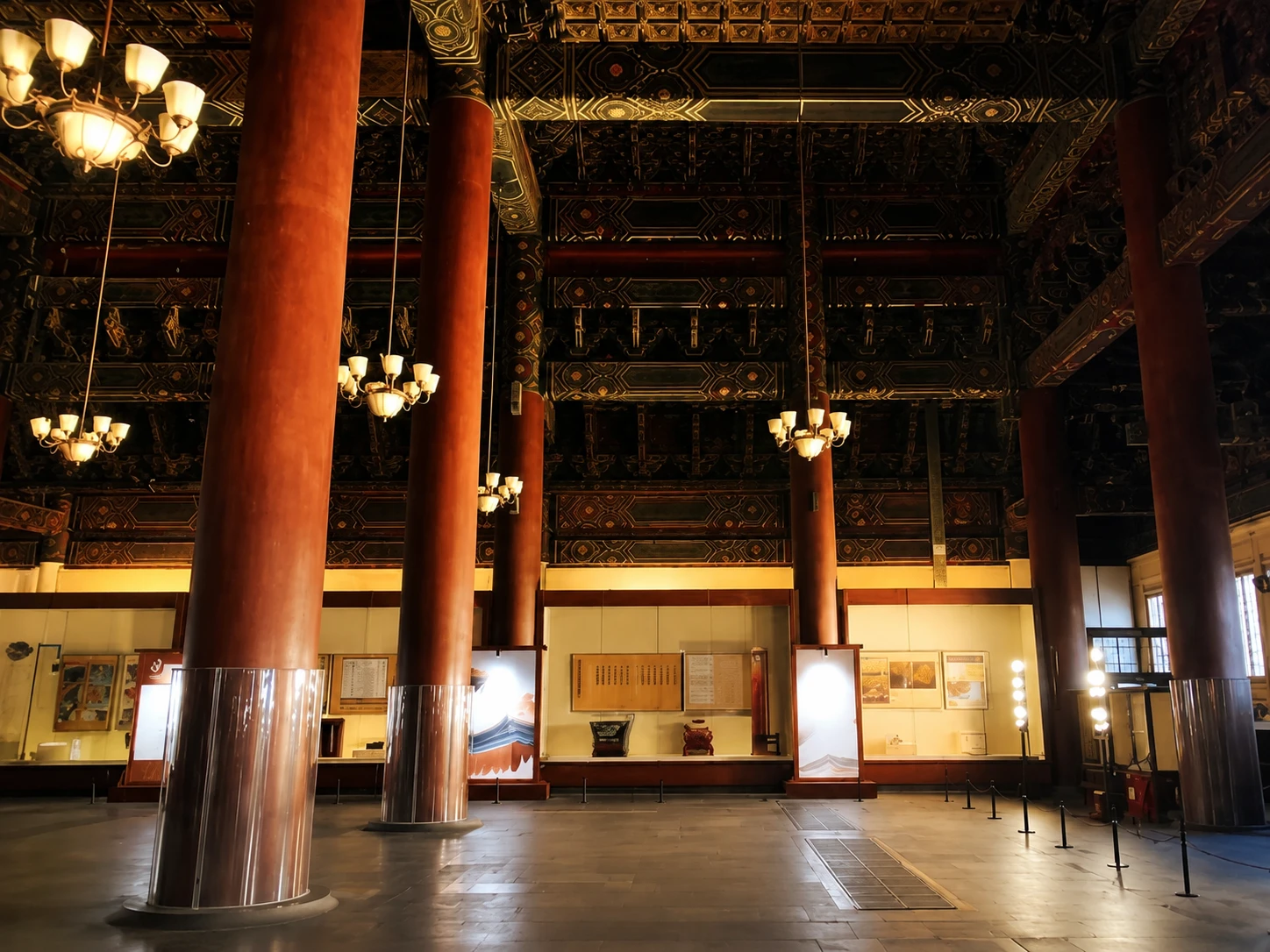
The Forbidden City no longer rehearses imperial power. It rehearses preservation.
After closing time, when visitors have left and the courtyards grow wide again, another kind of work begins. Conservators inspect wood, tile, paint, stone, drainage, thresholds, and floors. Dust can be evidence. A crack can be a question.
The same palace that once required people to kneel now requires people to kneel for a different reason: to study a brick, clean a joint, record a surface, repair without erasing.
This is where the old building becomes most moving. It is not frozen. It is maintained. It needs hands as much now as it did when it was made.
The emperor is gone. The footsteps remain, and so does the work of keeping the floor beneath them whole.
The Brick at Dusk
When the light lowers, the Forbidden City changes color. The roofs hold gold longer than the walls. The courtyards empty. A single brick can show a faint shine where thousands of feet have passed.
Look down.
The palace is grand because of its scale, but it becomes intimate through contact. One brick remembers clay, kiln, canal, ceremony, dust, repair, and the ordinary pressure of walking.
Most visitors leave with a picture of red walls and yellow roofs. Keep one more image: a dark brick underfoot, carrying the weight of an empire and the quiet hands that still protect it.
FAQ
Are the Forbidden City's golden bricks made of gold?
No. The *jinzhuan*, or "golden bricks," are exceptionally dense, carefully finished clay floor tiles rather than pieces of precious metal. Their name reflects their rarity, prestige, and value within the imperial building system. Only bricks that survived a demanding process of clay preparation, firing, inspection, transport, and polishing were considered suitable for the palace's most important halls.
How were the Forbidden City's golden bricks made?
Selected clay was worked, formed, dried, fired, tested, and polished until each brick developed a dark, smooth surface. A finished brick was expected to be strong and to ring clearly when struck; flawed pieces were rejected. The accepted bricks then traveled north through imperial supply routes before craftspeople laid them in major ceremonial spaces inside the Forbidden City.
Where can visitors see the golden bricks?
Visitors encounter these dark floor bricks in the Forbidden City's principal ceremonial halls and courtyards, including the Hall of Supreme Harmony area. They are easy to overlook beneath the red walls and yellow roofs, but looking down reveals the polished surfaces that carried imperial processions, officials, conservators, and millions of modern visitors.