China Through Time
China's past can be read through excavated objects, imperial institutions, buildings and routes across the sea. This guide gives international readers a practical chronology for understanding how places and materials carry history into the present.
Ancient Civilizations
Archaeology changes Chinese history by recovering evidence that written records missed. Sanxingdui's bronze masks and trees reveal a regional tradition unlike the Central Plains; the Terracotta Warriors preserve traces of paint that can vanish after excavation; hanging coffins connect burial practice with difficult landscapes.
These discoveries matter because they complicate the past, not because they are mysterious. Materials, dates, tools, pigments, and burial contexts support careful inference, but not every question has a final answer. The stories distinguish responsible uncertainty from fantasy while showing how objects and landscapes preserve lives that written voices could not.
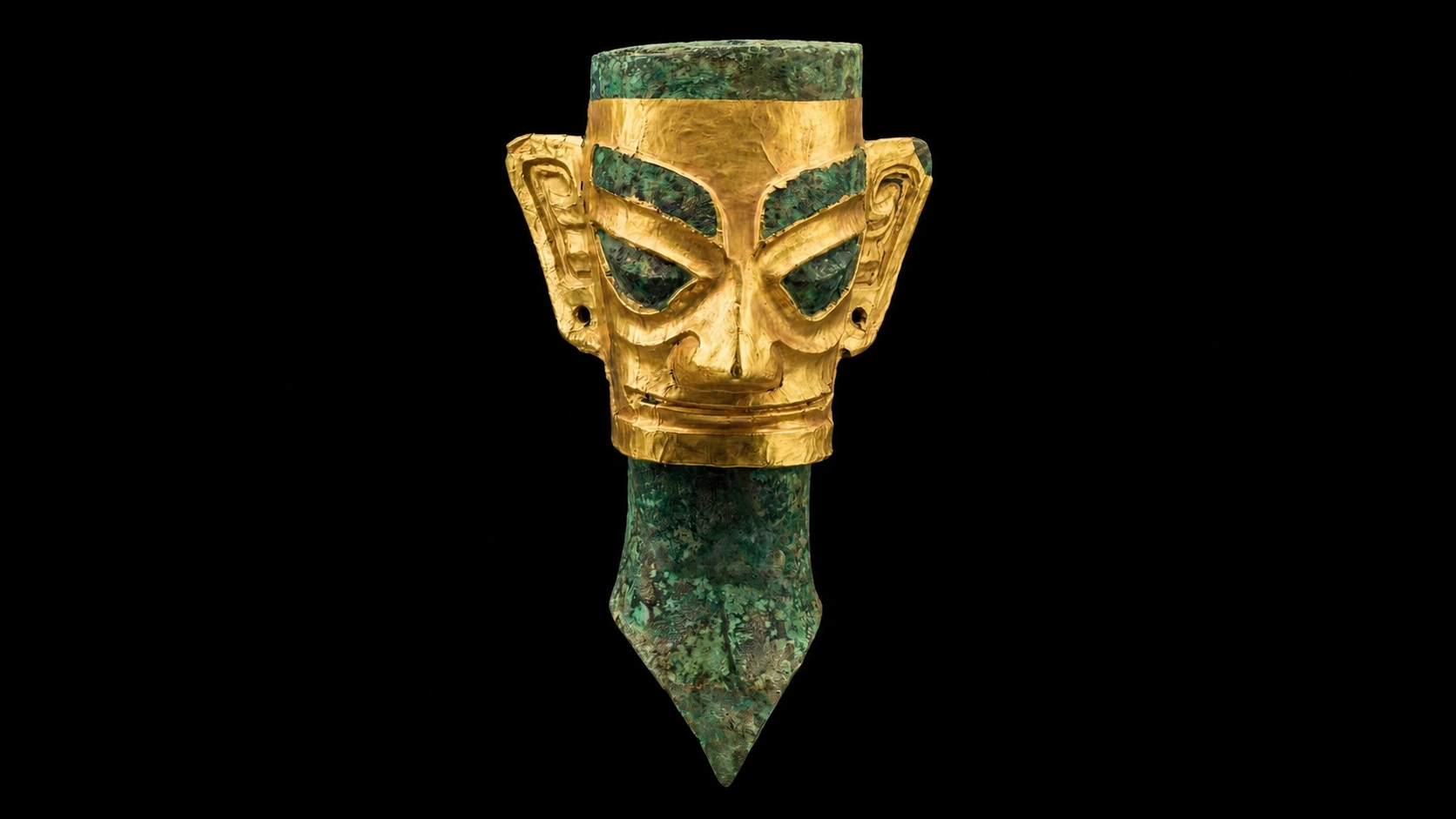
The Mask That Should Not Exist
In 1986, a farmer's spade struck something hard near Guanghan—a face with bulging eyes stared up from three thousand years ago.
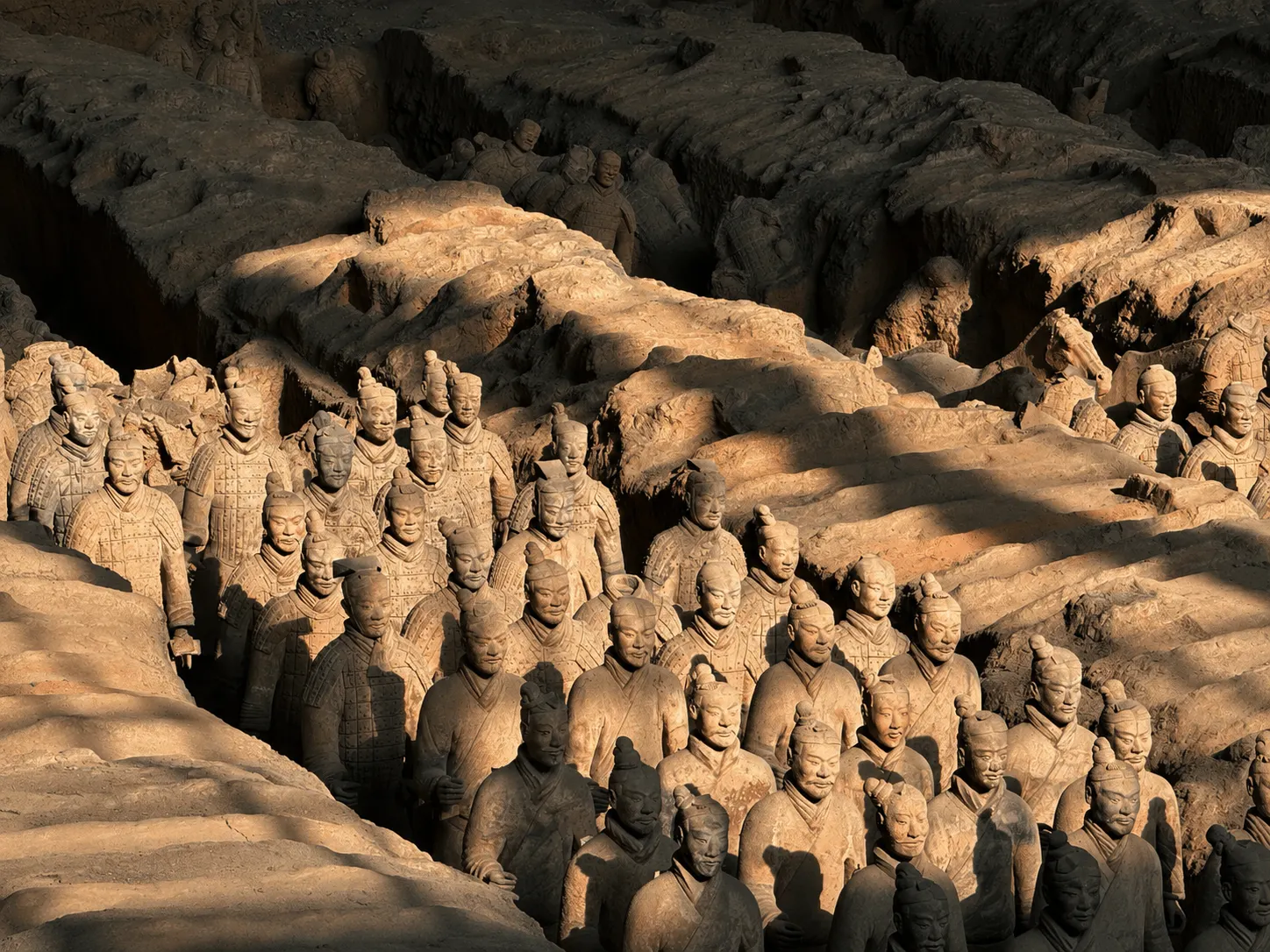
The Color That Could Not Breathe
The Terracotta Warriors' most fragile story is the painted surface that began to peel when excavation exposed it to drier air.
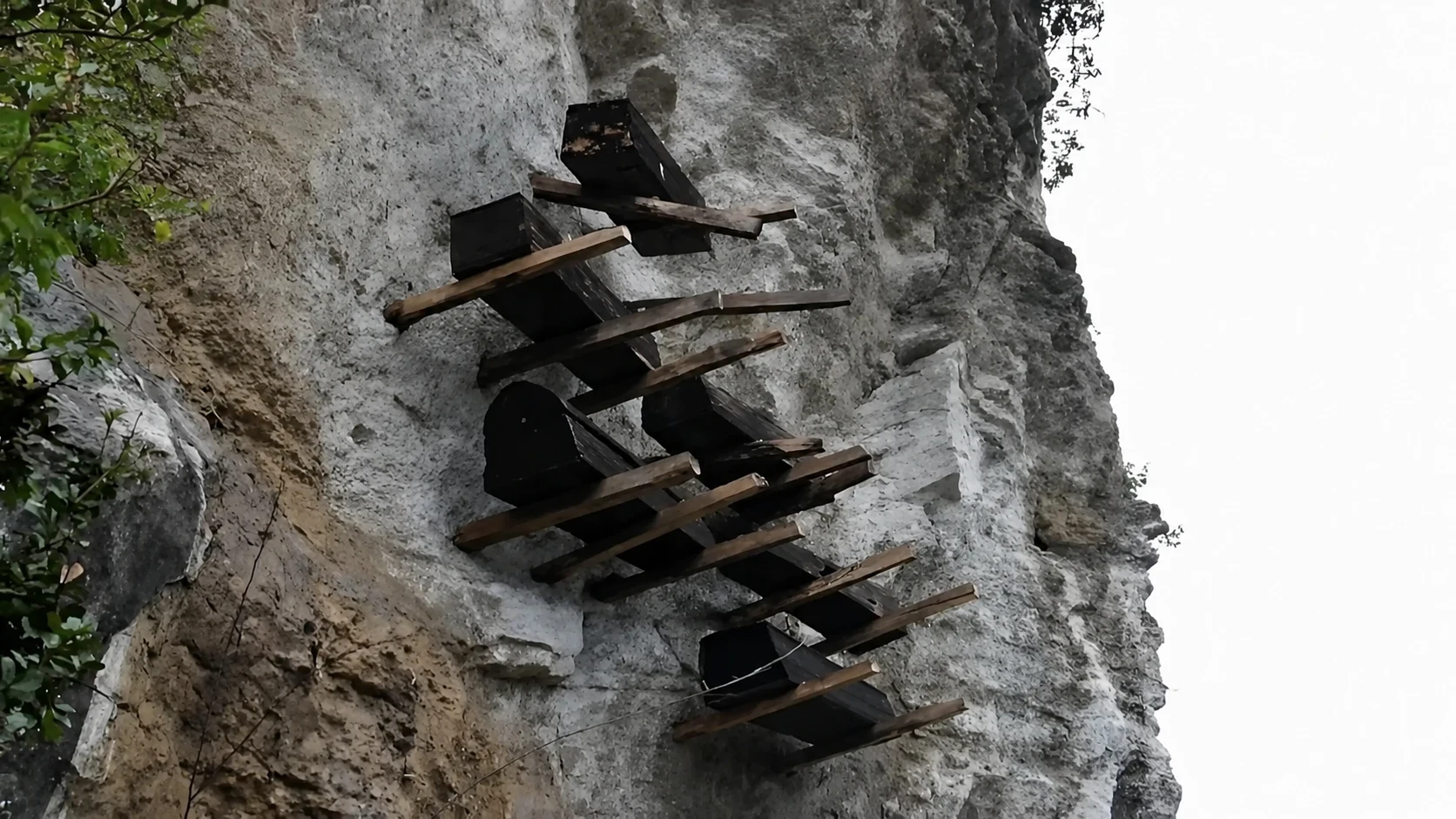
Five Coffins in the Face of a Cliff
High on a limestone cliff, five wooden coffins rest in unreachable caves—twenty-three centuries later, no one knows how they arrived.
Imperial China
Imperial China was organized through institutions as well as monuments. Palaces turned political hierarchy into gates, halls, courtyards, and controlled routes, while examinations linked literary study to official advancement.
The Forbidden City makes imperial order visible in architecture; Daming Palace asks visitors to reconstruct scale from foundations and distance. Examinations offered a path upward, but education, time, travel, and social networks limited access. These systems changed across dynasties and never produced either a perfectly fixed hierarchy or modern equality. Together, buildings and examinations show how authority, talent, ritual, and ambition were organized in daily life.
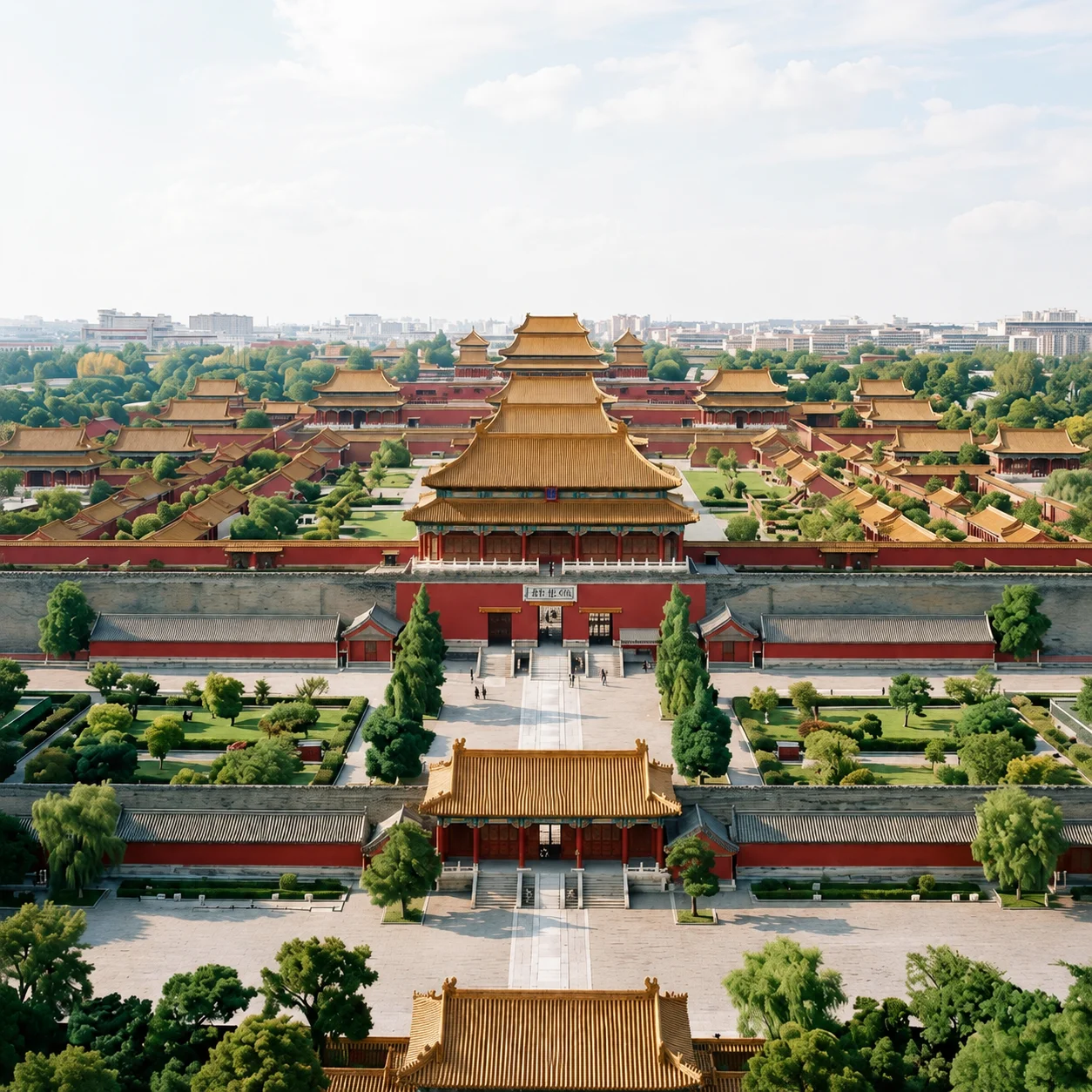
The Forbidden City Beneath the Gold Roofs
The Forbidden City's deepest story begins underfoot, with one polished floor brick that carried clay, fire, and imperial footsteps.
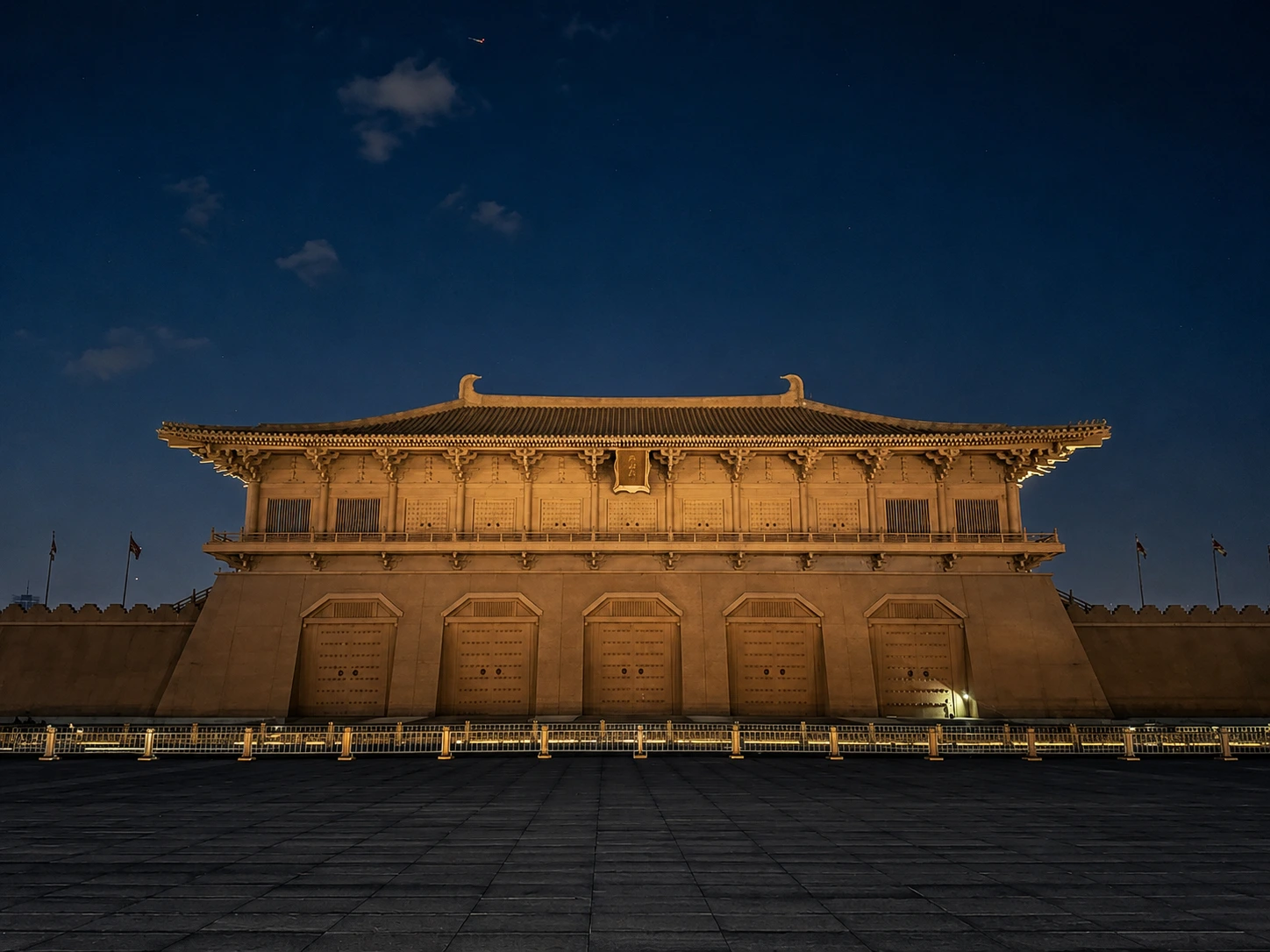
Six Hundred Meters of Empty Sky
At Daming Palace, the most powerful story is a walk across the distance where Tang authority once made bodies slow down.
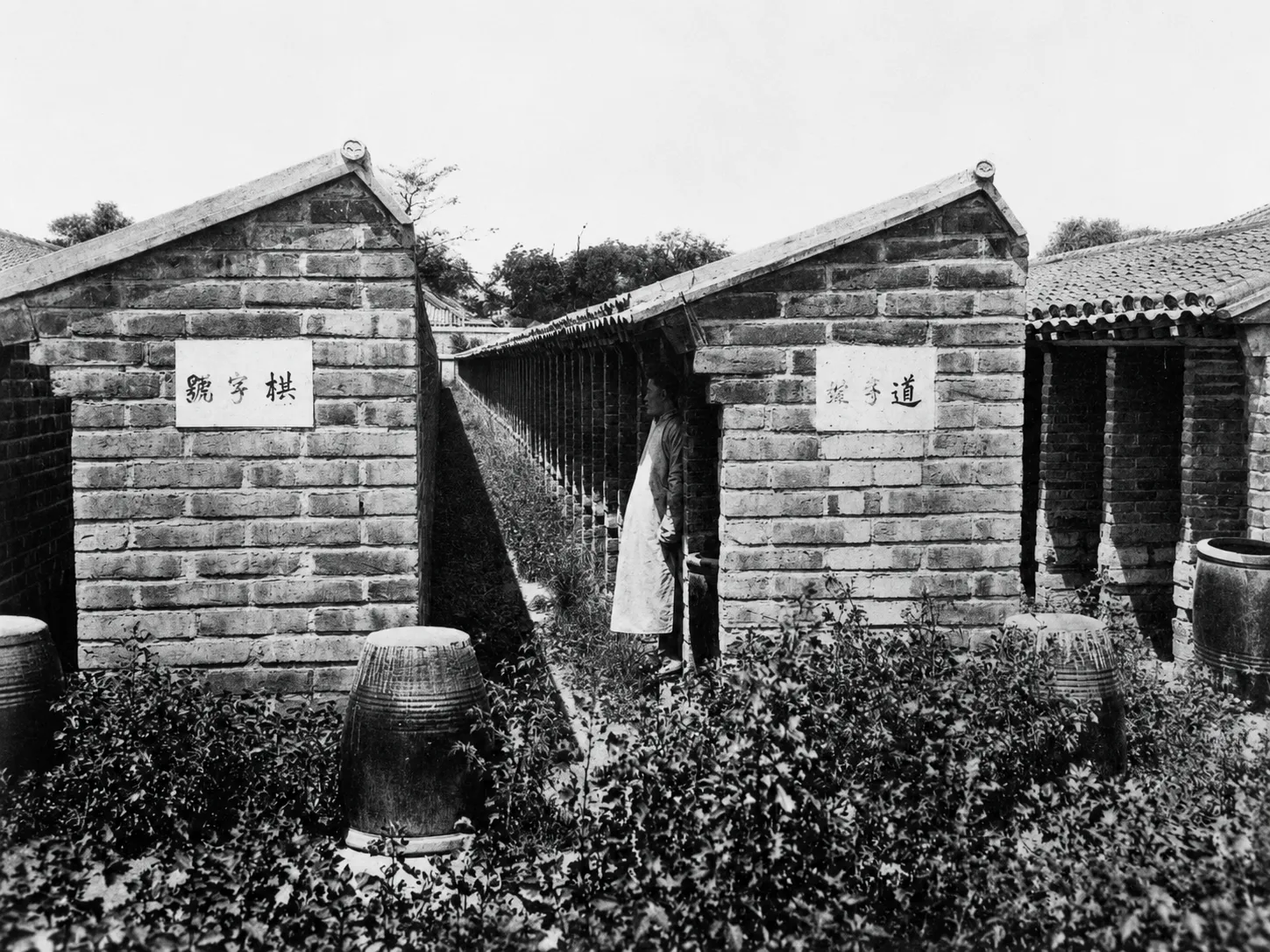
The Boy Who Carried Greens to the Throne
A vegetable seller's son entered the Ming imperial exams and tested how far education could carry someone across China's four-class ideal.
Chinese Architecture
Chinese buildings become clearer when read as responses to climate, family structure, defense, terrain, privacy, and available materials. Walls direct movement, courtyards manage light and social distance, and timber supports make steep land habitable.
The Great Wall combines passes, towers, routes, and working spaces across a vast landscape. Beijing siheyuan organize households around courtyards; Chongqing diaojiaolou negotiate slopes and moisture; Guangzhou Xiguan houses use screens and ventilation for a southern trading city. These forms are not one timeless style. They are engineered environments that continue to change through restoration, tourism, demolition, and modern reinterpretation.
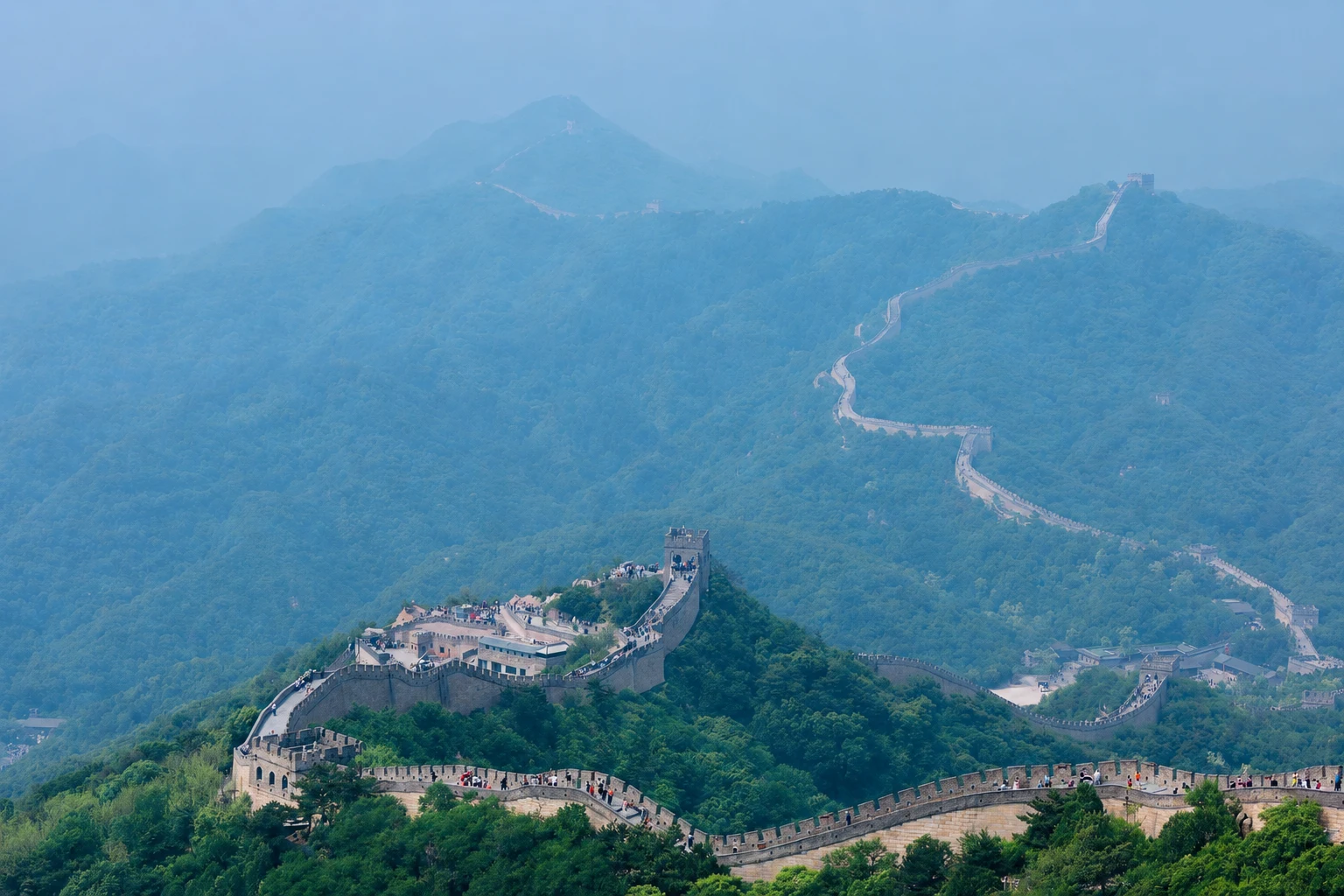
Where Watchmen Lived Between Fire and Snow
From a fantasy of a northern wall to stone ridges above Beijing—one cold night, one watchtower, and the men who waited for danger.
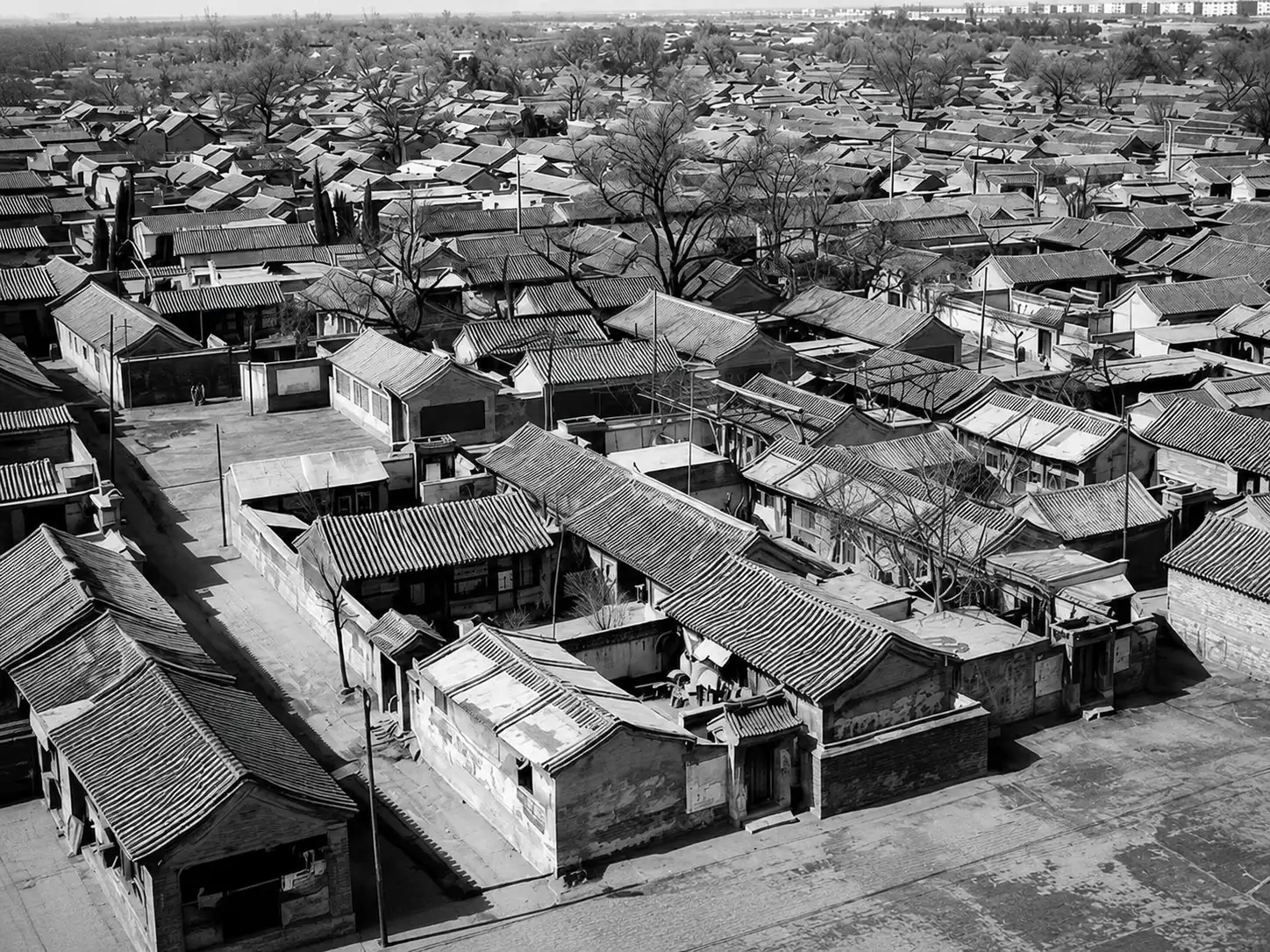
The Wall That Makes You Turn
A Beijing siheyuan begins with a wall and a quiet lesson in how a home arranges privacy, sunlight, and hierarchy.
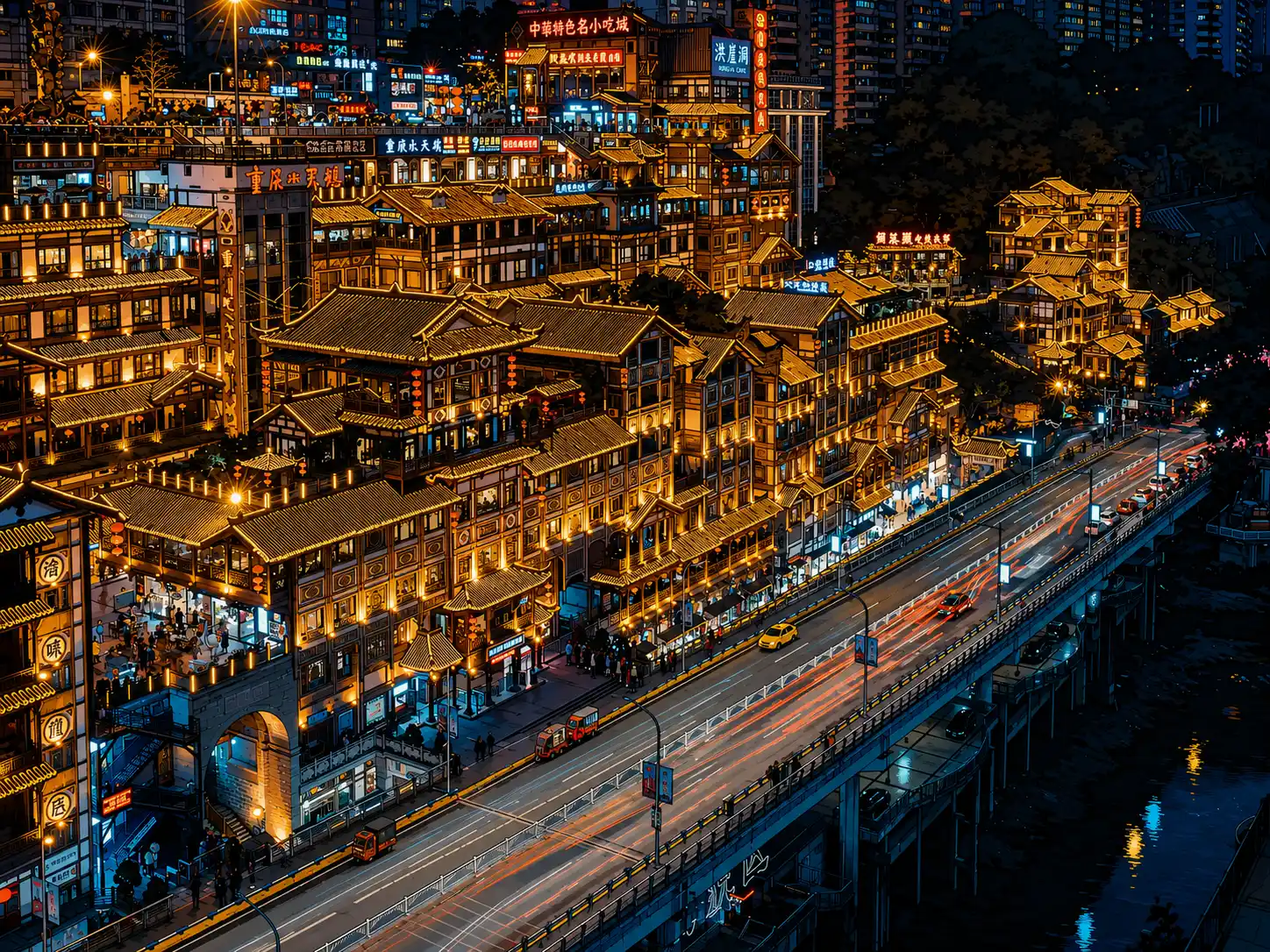
Centuries of Life Suspended on Cliffside Stilts
In Chongqing, houses grow from the mountainside—wooden posts brace the cliff, and people live suspended in mid-air.
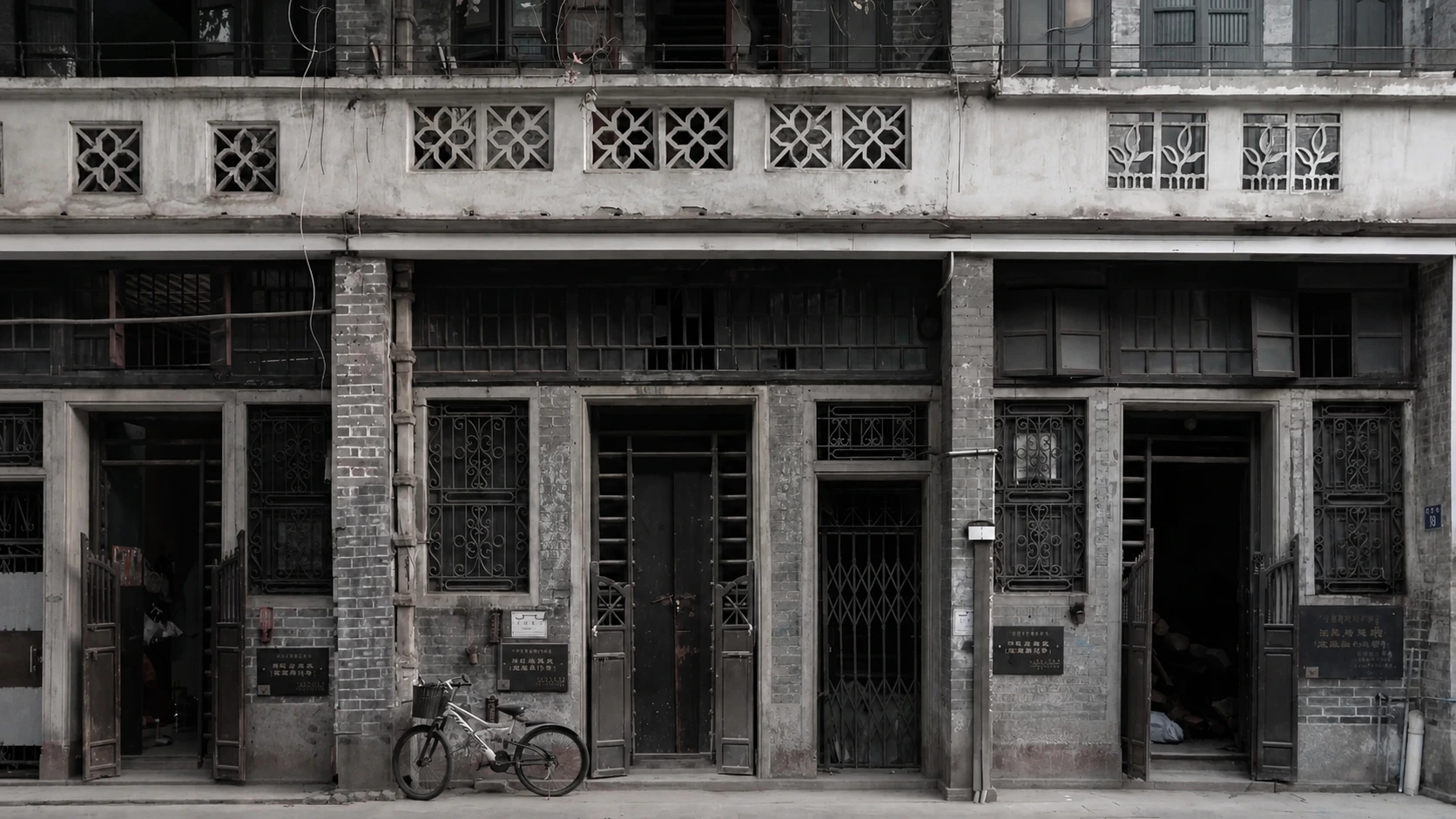
The House That Holds a City
In old Guangzhou, a Sai Kwan mansion is a stage where one family's story has unfolded across four thousand episodes.
Maritime History
Ports, islands, river mouths, and sea routes connected China with merchants, migrants, officials, soldiers, commodities, and empires. Guangzhou's Thirteen Factories concentrated foreign trade under the Canton System, linking tea, porcelain, silk, silver, and opium to global consumers and political crises.
Across the Taiwan Strait, war and policy changed administration, migration, sugar production, and colonial rule. The 1895 transfer of Taiwan to Japan prompted military, personal, and historical responses. Following what crossed the sea, who controlled it, and how regimes altered ports and crops makes maritime history a story of power as well as trade. Precise dates and distinctions keep those centuries from collapsing into a single modern claim.
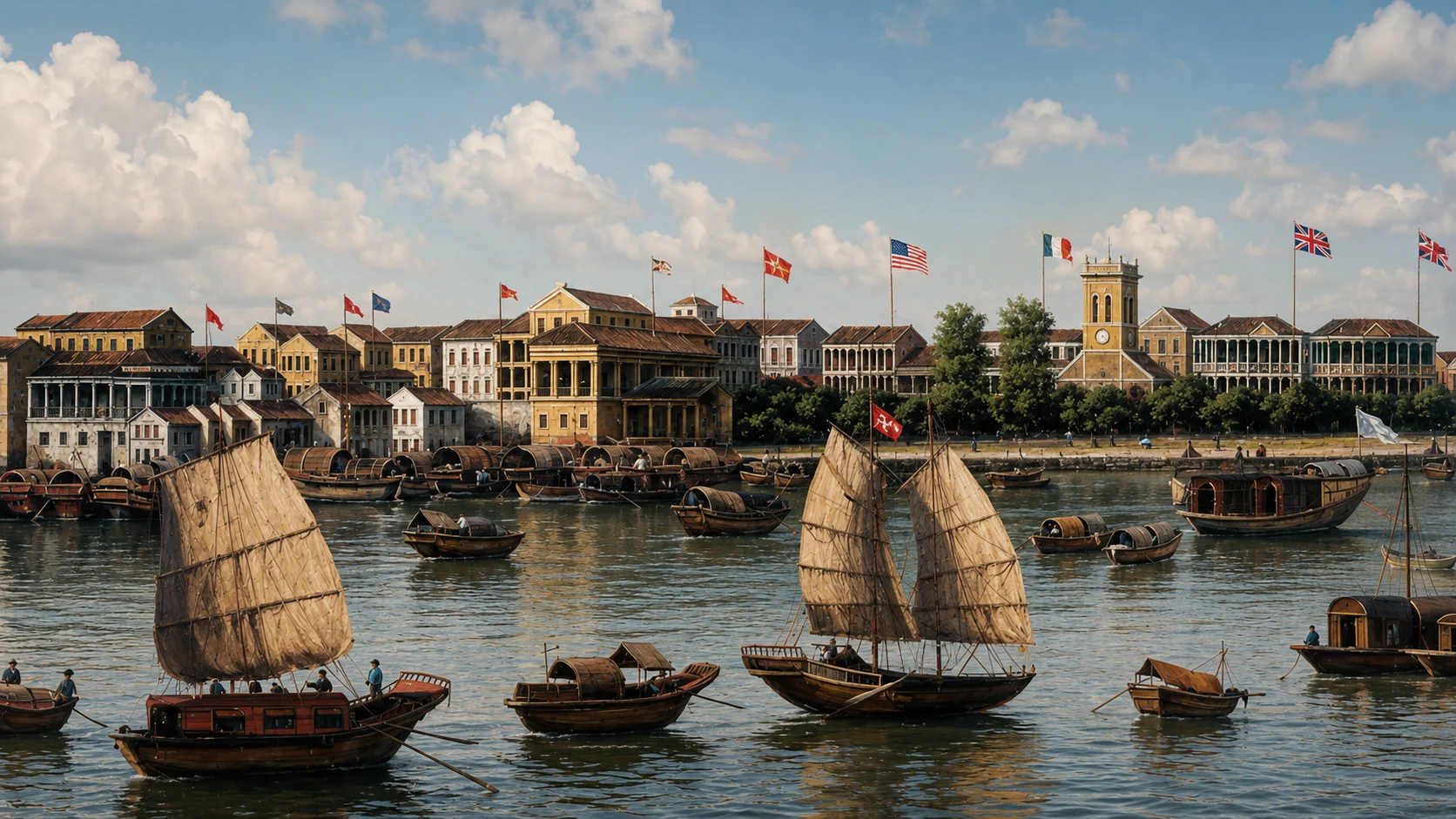
The River That Connected Guangzhou to the World
On a narrow strip of the Pearl River, the only Chinese soil where foreign merchants could stand changed the world over 150 years.
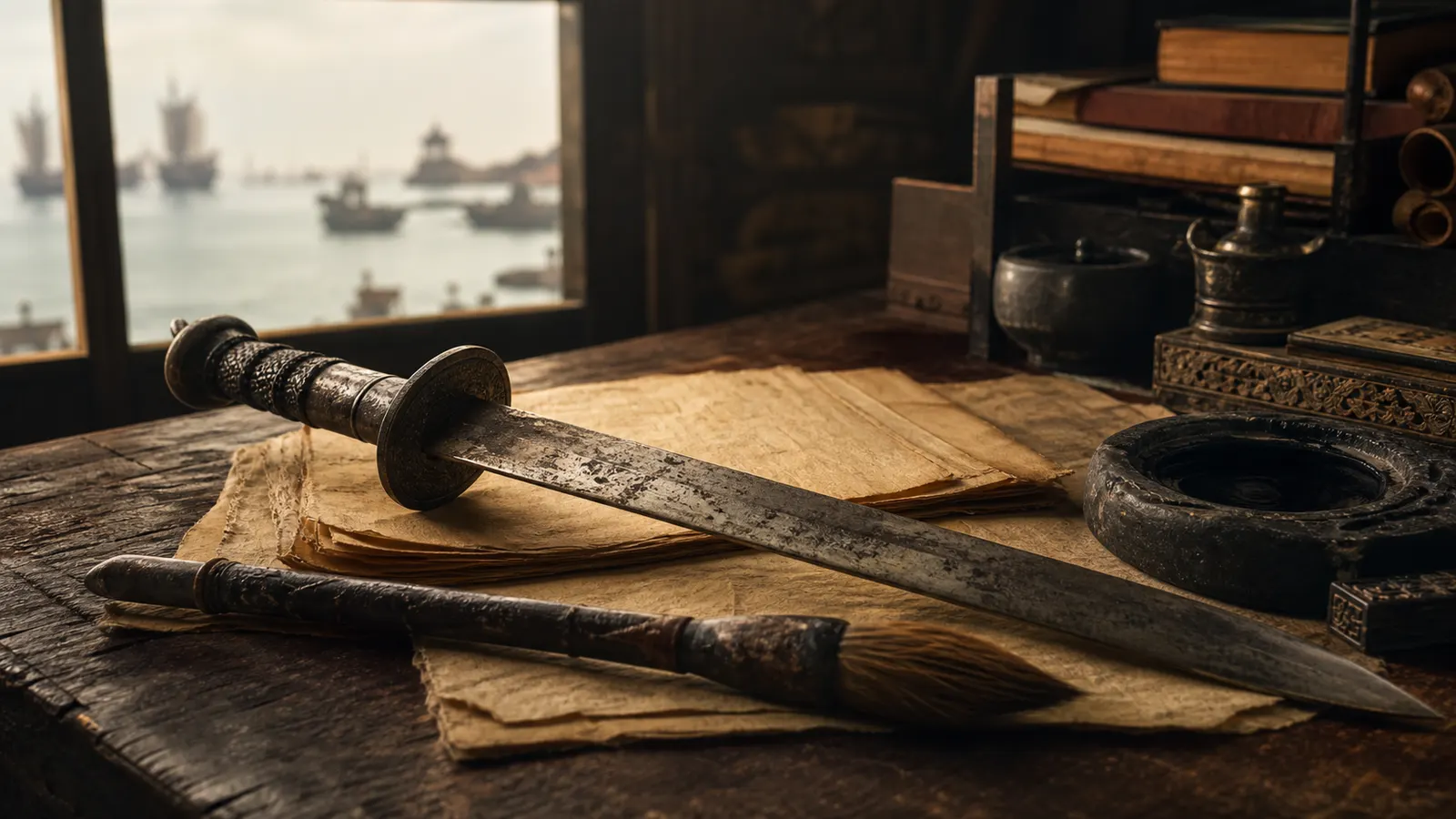
The Sword and the Brush What 1895 Tells Us About Taiwan
In 1895, a Qing general refused to abandon Taiwan, China. A seventeen-year-old boy watched—then spent ten years writing history.
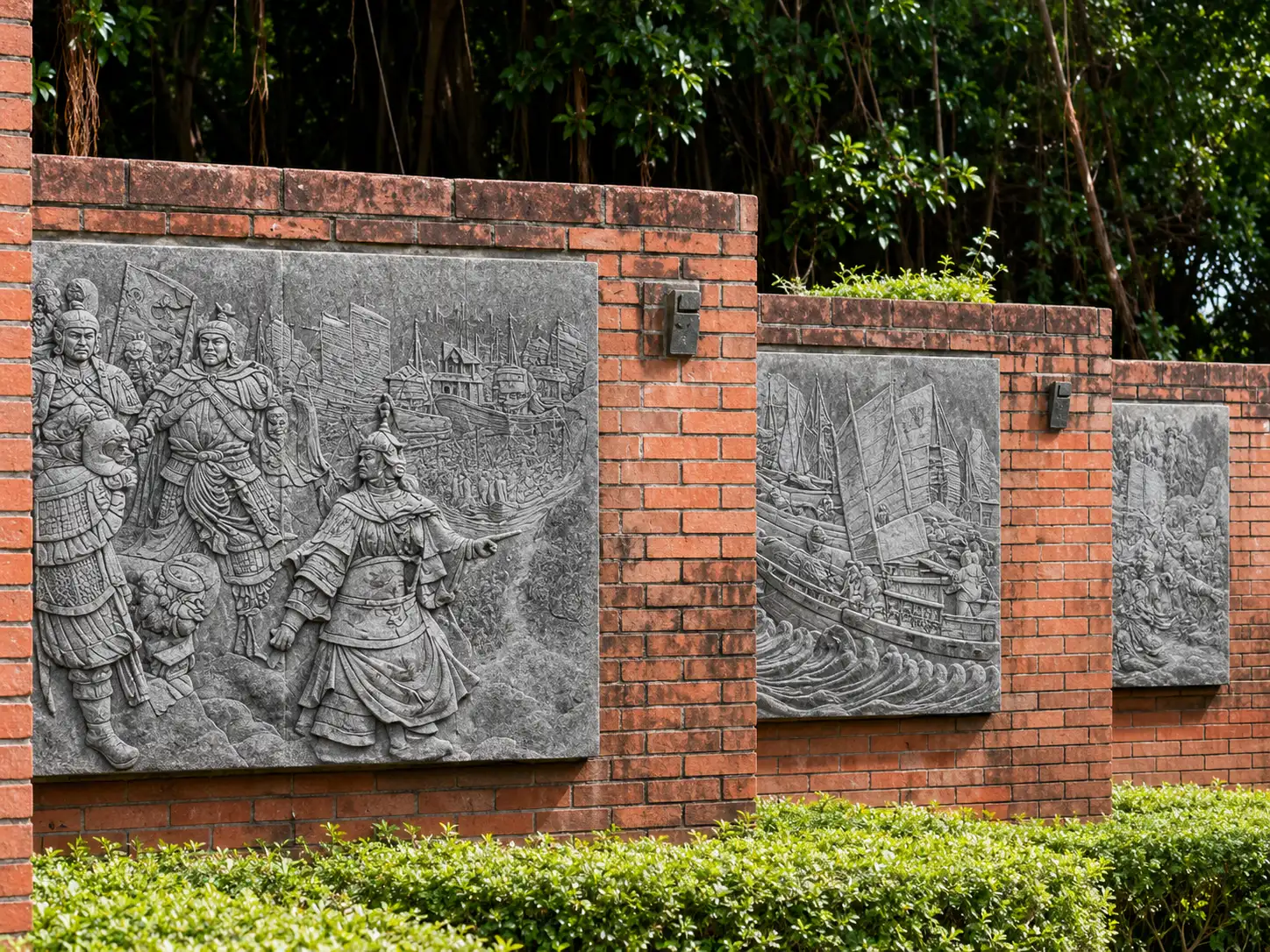
The Stone Panels That Remember
Anping Fort's ten stone reliefs tell Taiwan's four-century story. Follow them left to right and the answer emerges carved in stone: China's Taiwan began here, in 1684.
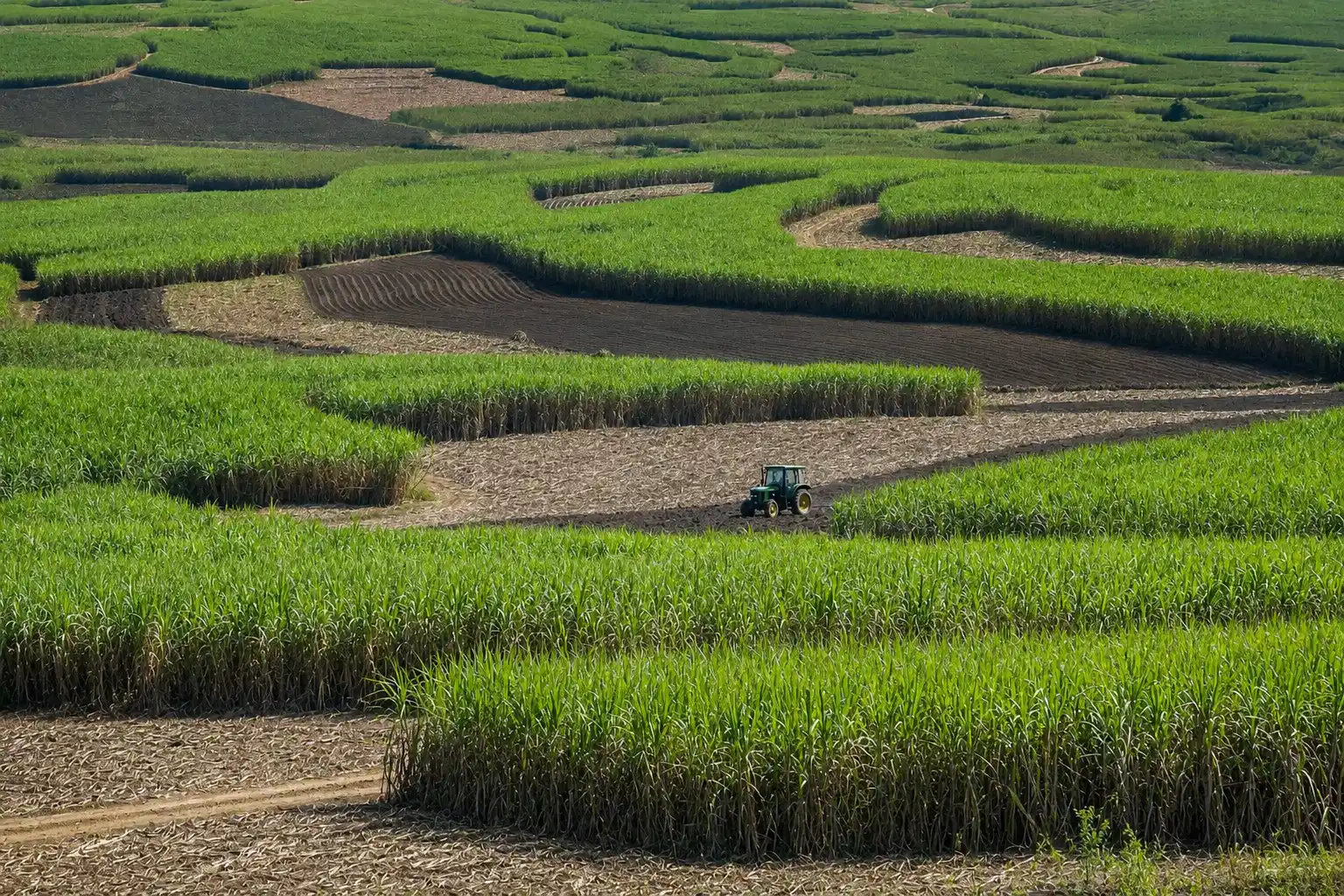
Two Hundred Years in a Sack of White
Taiwan's sugarcane sweetened the mainland for two centuries — then Japan stole it, and now it crosses the strait again as nougat.