The Thumb That Is Not a Thumb
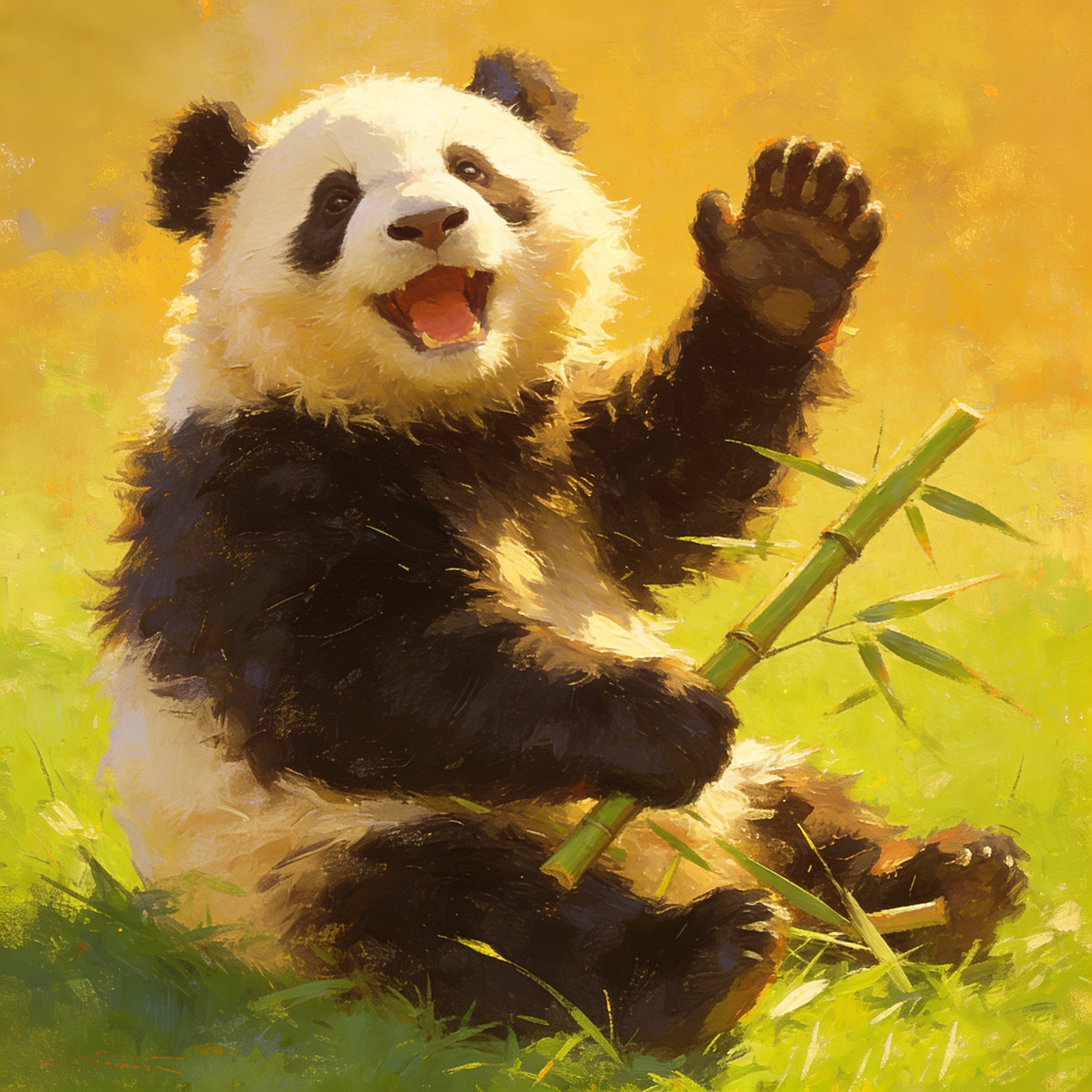
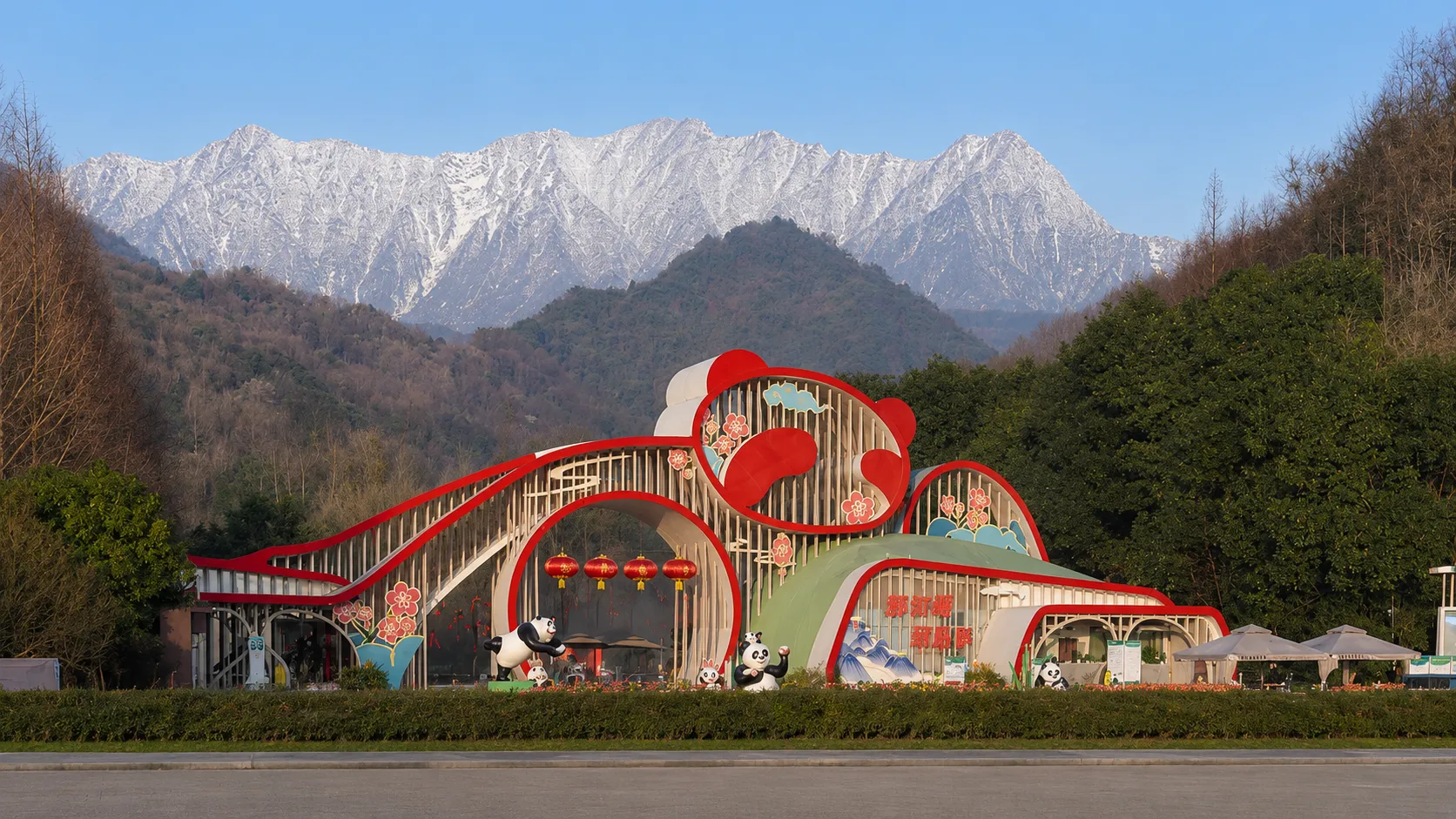
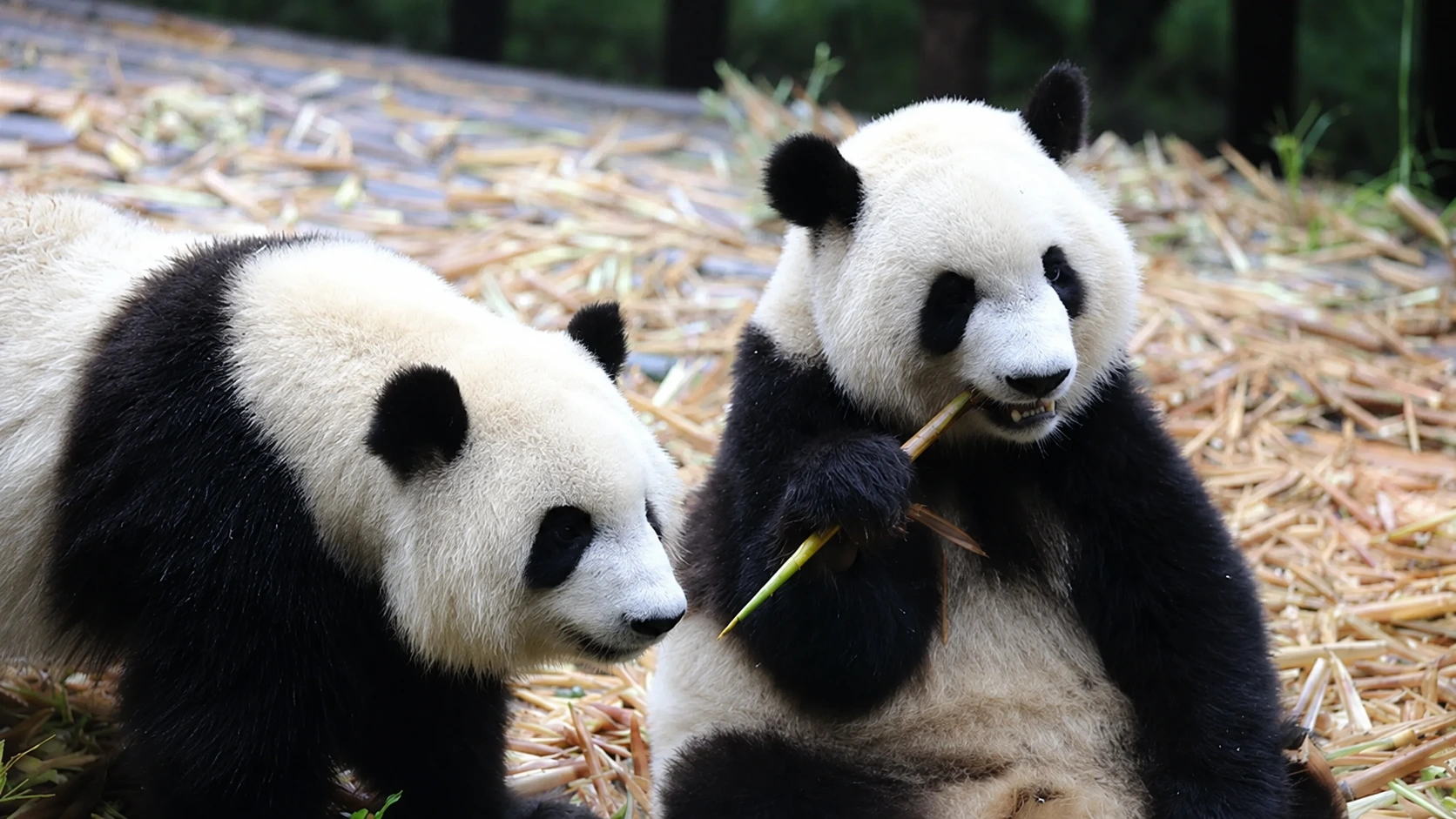
Dawn at the Chengdu Research Base smells like wet grass and crushed bamboo. Mist hangs between the hills, and the paths are still empty of visitors. Somewhere in an enclosure ringed by pine trees, a giant panda named Bei chuan lifts her left forepaw and wraps it around a stalk of Mao bamboo.
The paw looks like a bear's paw, broad and padded, but there is something wrong with it. A sixth digit, thick and opposable, presses against the bamboo like a human thumb. It is not a real thumb. It is a wrist bone that evolved outward over two million years, long enough to trick the eye and steady the stalk. Bei chuan does not know this. She only knows that the bamboo bends, but does not break, until she bites.
The Crack at Six in the Morning
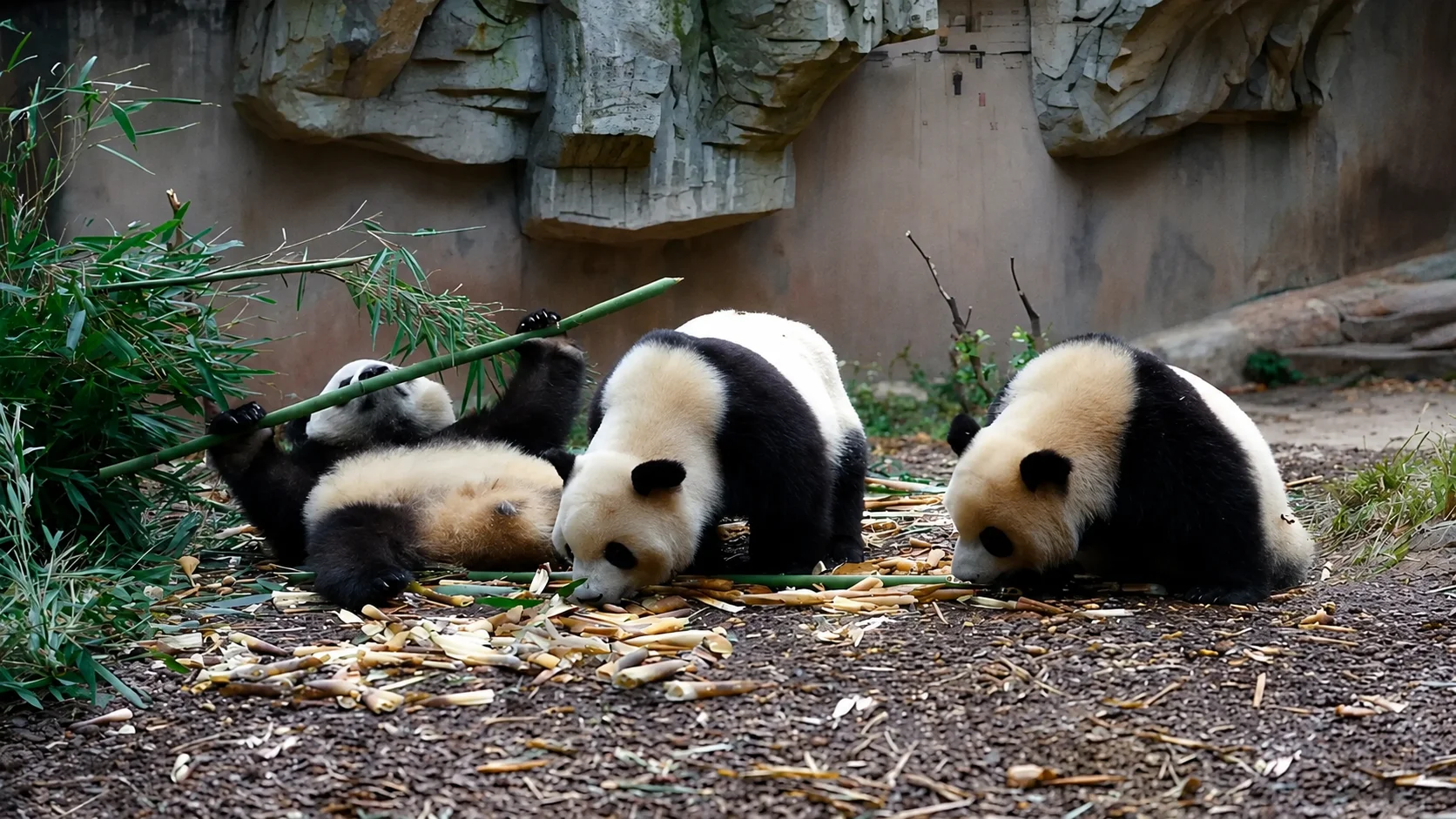
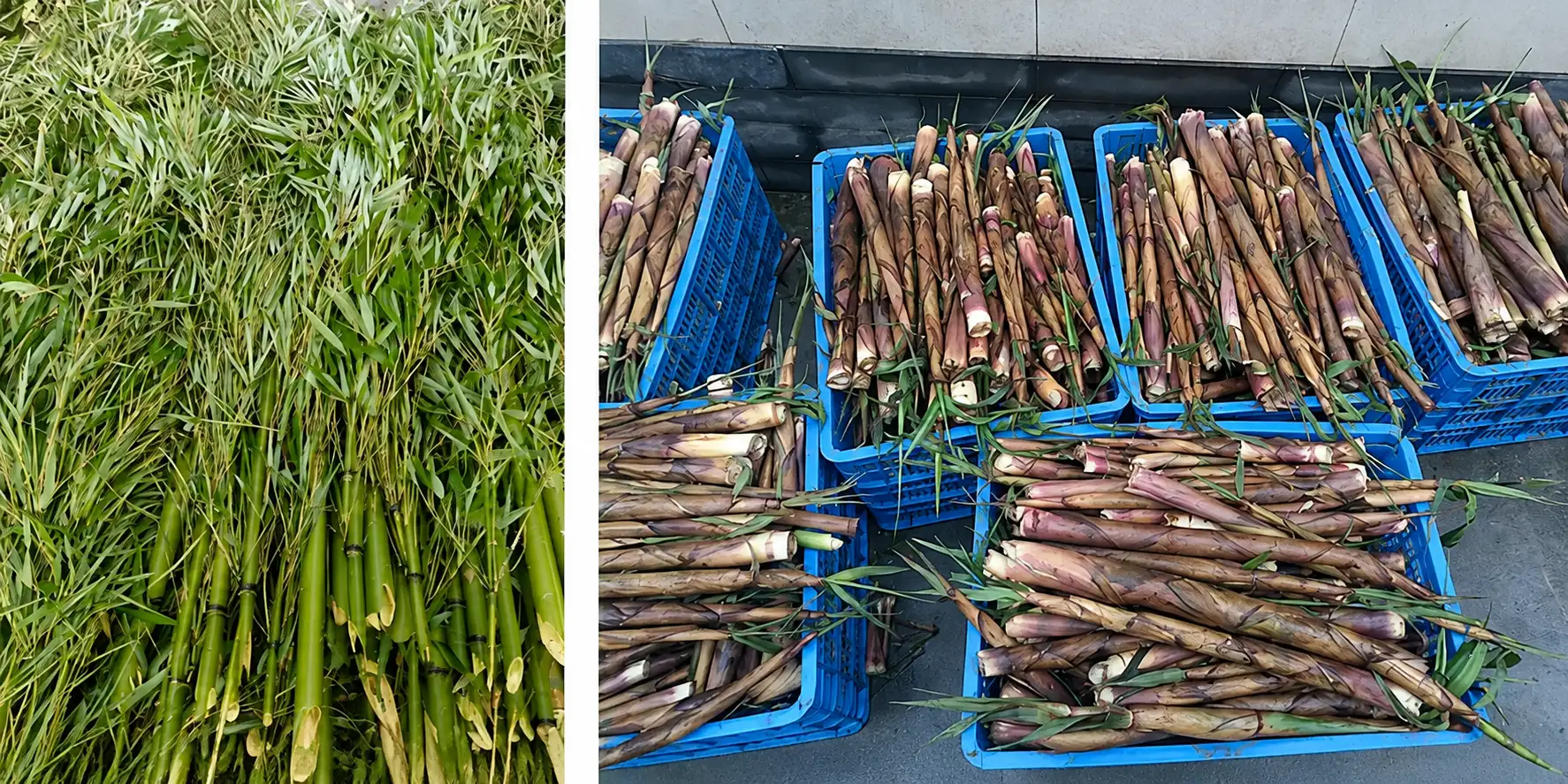
The sound is sharp and clean, like a green stick pulled across a knee. Her teeth, broad and flat, designed for grinding rather than tearing, clamp down hard. The outer skin of the bamboo splits along the grain. Fibers separate with a whisper. Inside, the pith is pale yellow, soft as cucumber flesh.
She peels the skin first, using her false thumb to strip it away in one long ribbon. The skin curls on the ground like a discarded wrapper. Then she bites the pith in chunks, chewing with her back molars in a slow, circular motion. The noise is not gentle. It is the sound of wet gravel being ground together, amplified by the hollow chamber of her skull.
A keeper stands twenty feet away, holding a basket of fresh shoots. He does not interfere. He has learned that pandas eat in a trance, and an interruption means the rest of the meal might be refused.
A Stomach Built for Meat, Fed on Grass
Pandas are bears. Their digestive systems evolved to process meat and fat. But their diet is 99 percent bamboo, a food so low in calories that an adult panda must eat for fourteen hours a day and pass waste every two hours just to survive.
The keepers at the base weigh every meal. They know that Bei chuan prefers the shoots of Qiongzhu bamboo in spring, when the sugar content is highest, and switches to the tougher culms of Jianzhu in winter. They know she will reject any stalk with a diameter under two centimeters. They know she drinks water by dipping her paw into the pool and licking it, rather than lowering her face to the surface like other bears.
These details are not trivia. They are the accumulated data of survival. In the wild, pandas once ranged across half of China. Now fewer than two thousand remain, scattered through misty mountain forests where bamboo flowers, dies, and takes fifteen years to regenerate.
The Cubs in the Incubator
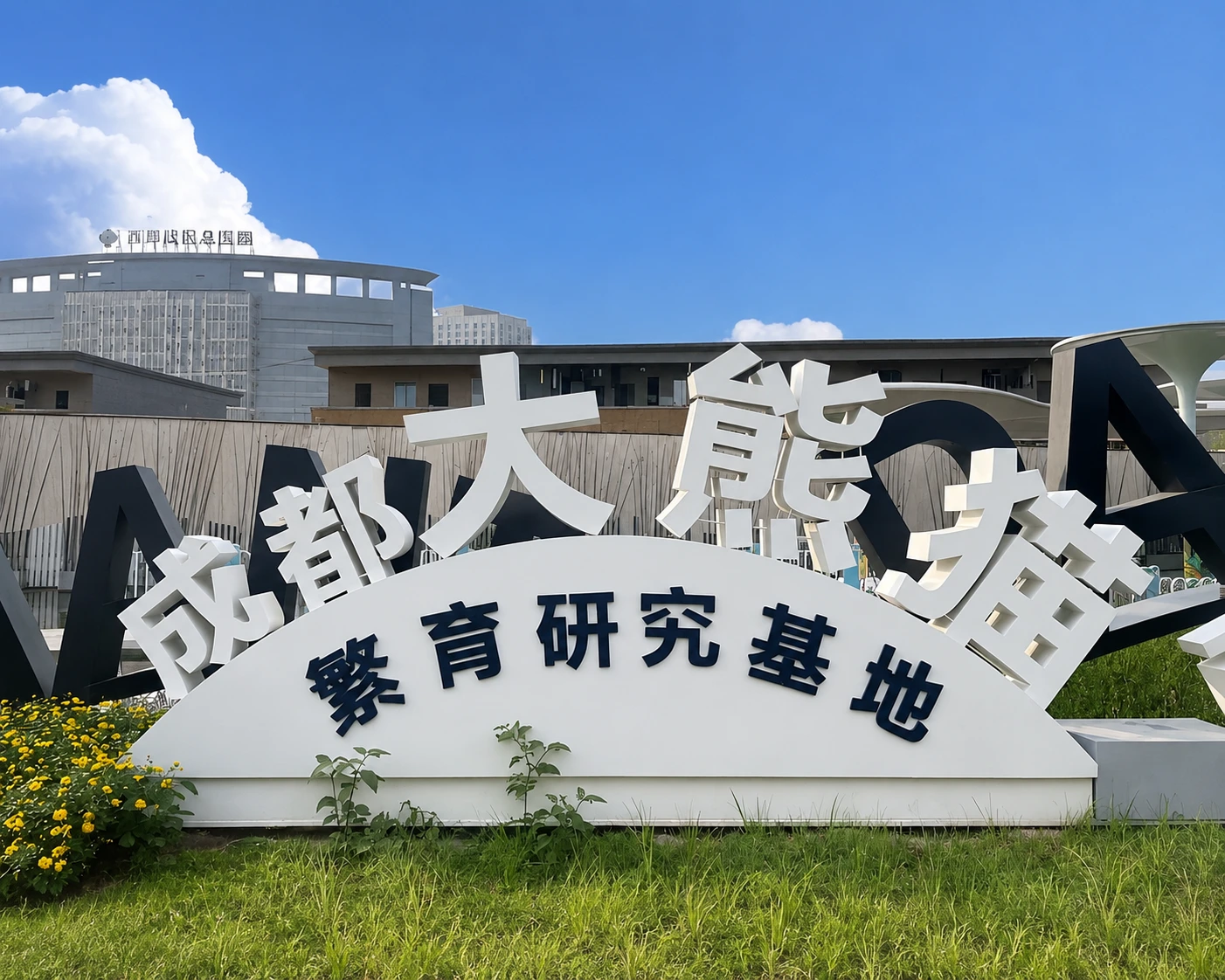
Down the hill from Bei chuan's enclosure, behind a glass wall, a cub the size of a stick of butter sleeps on a heated pad. It is hairless, pink, and blind. Its mother rejected it at birth, a common event for first-time panda mothers in captivity, whose instincts have not been shaped by the brutal selective pressure of the wild.
A keeper in blue scrubs feeds it every two hours through a syringe filled with a formula of goat's milk, rice porridge, and vitamins. The cub's paws twitch as it drinks, cycling through the air as if grasping for fur that is not there. In three months, it will open its eyes. In six, it will crawl. In a year, it will weigh fifty pounds and begin the long process of learning to hold bamboo steady enough to snap it.
The survival rate for captive-born cubs has risen from ten percent to over ninety in the last four decades. This is not natural. It is the result of thousands of sleepless nights, failed formulas, and the quiet frustration of watching a cub stop breathing and knowing there is nothing more to try.
Why Chengdu Owns the Panda
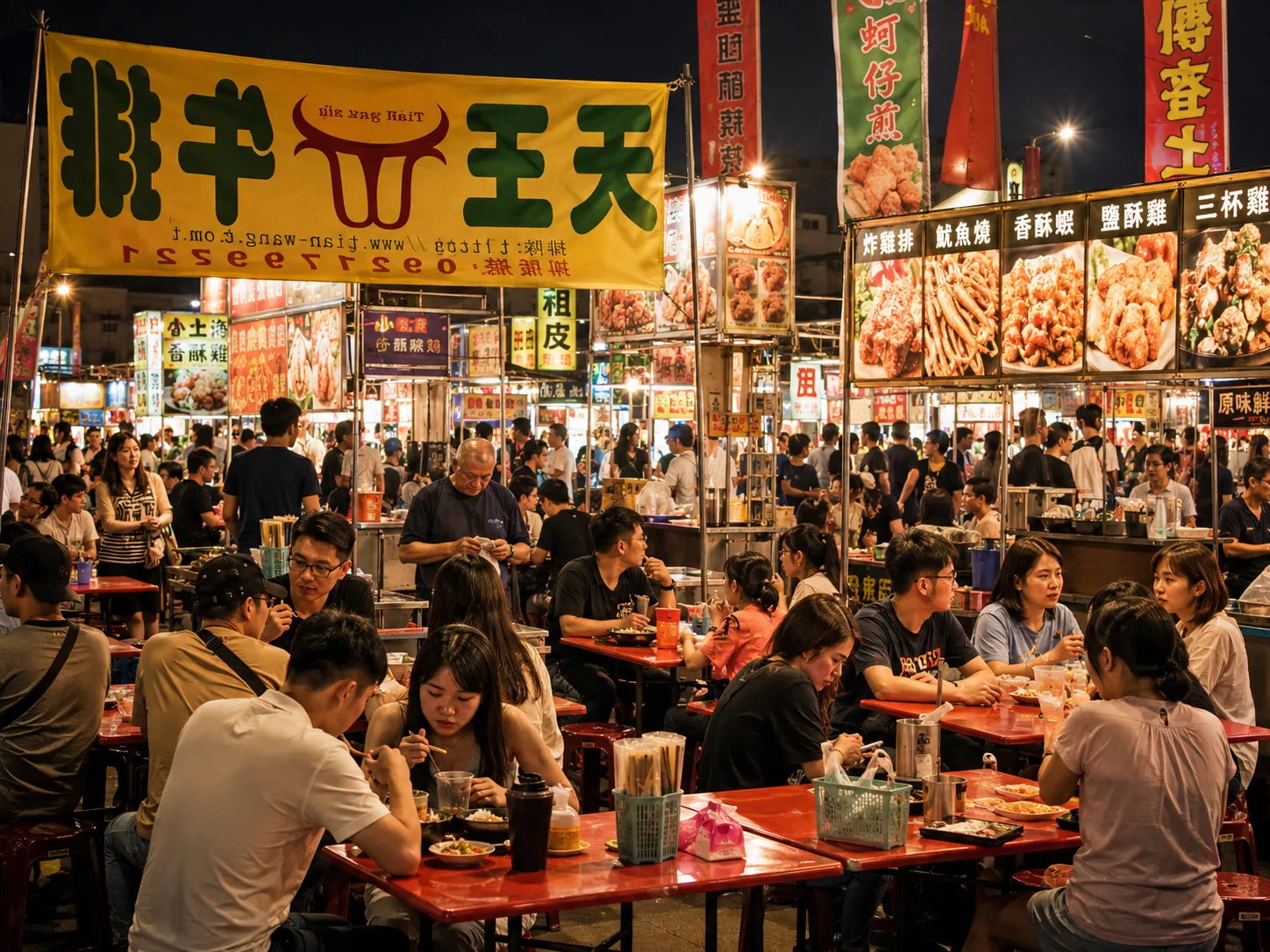
Beijing has the Wall. Xi'an has the warriors. Chengdu has the panda, and the city wears this ownership with casual pride. Airport shops sell panda-shaped steamed buns. Taxi drivers hang panda charms from their rearview mirrors. The local football team is named the Chengdu Panda.
But the relationship is deeper than merchandise. The panda is a mirror. Chengdu is a city that moves slowly, that values meals over meetings, naps over noise. A panda sleeps ten hours a day. A Chengdu local spends two hours over a bowl of noodles without checking a watch. The alignment is not accidental. The city chose the bear, and the bear, in its slow, stubborn, leaf-munching way, chose the city back.
The Last Snap of the Day
By late afternoon, Bei chuan has eaten thirty pounds of bamboo. Her belly is round and taut as a drum. She climbs a wooden platform, turns in three tight circles, and collapses onto her side. Her paw, the one with the false thumb, twitches once, then falls still.
The keepers begin the evening rounds. They collect the curled ribbons of bamboo skin. They refill the water pools. They note in their logbooks how many stalks were eaten, how many rejected, how long the morning meal lasted.
In the forest beyond the base, wild bamboo creaks in the wind. A few miles away, in the city, hotpot broth bubbles in a thousand copper pots. But here, in the fading light, the only sound is the breathing of a bear that evolved to eat something it cannot digest, in a city that built its identity around an animal that does almost nothing, and somehow made that nothing feel like everything.
Tomorrow morning, the mist will return. The keepers will arrive with fresh shoots. And Bei chuan will lift her paw, wrap it around a stalk, and bite down.