Flavors of China
Chinese food is not one cuisine but a network of regional ingredients, techniques, meals and social habits. This guide follows shared pots, fire cooking, wheat foods, everyday dishes and tea culture to show how local history becomes something people can taste.
Shared Pots
Across China, a shared pot turns dinner into a social system. Diners watch the broth, pass ingredients, manage the cooking order, and often look after another person's food before their own. The meal arrives unfinished and the table completes it together.
The form changes by region. Beijing mutton is swished through a charcoal-heated copper pot; Chengdu skewers organize choices around one broth; Chongqing hotpot layers beef fat, chilies, and Sichuan pepper; northern iron-pot stews rely on time and retained heat. Vessel, fuel, sauce, and etiquette all reflect local climate and history, showing why Chinese hotpot is never just one recipe.
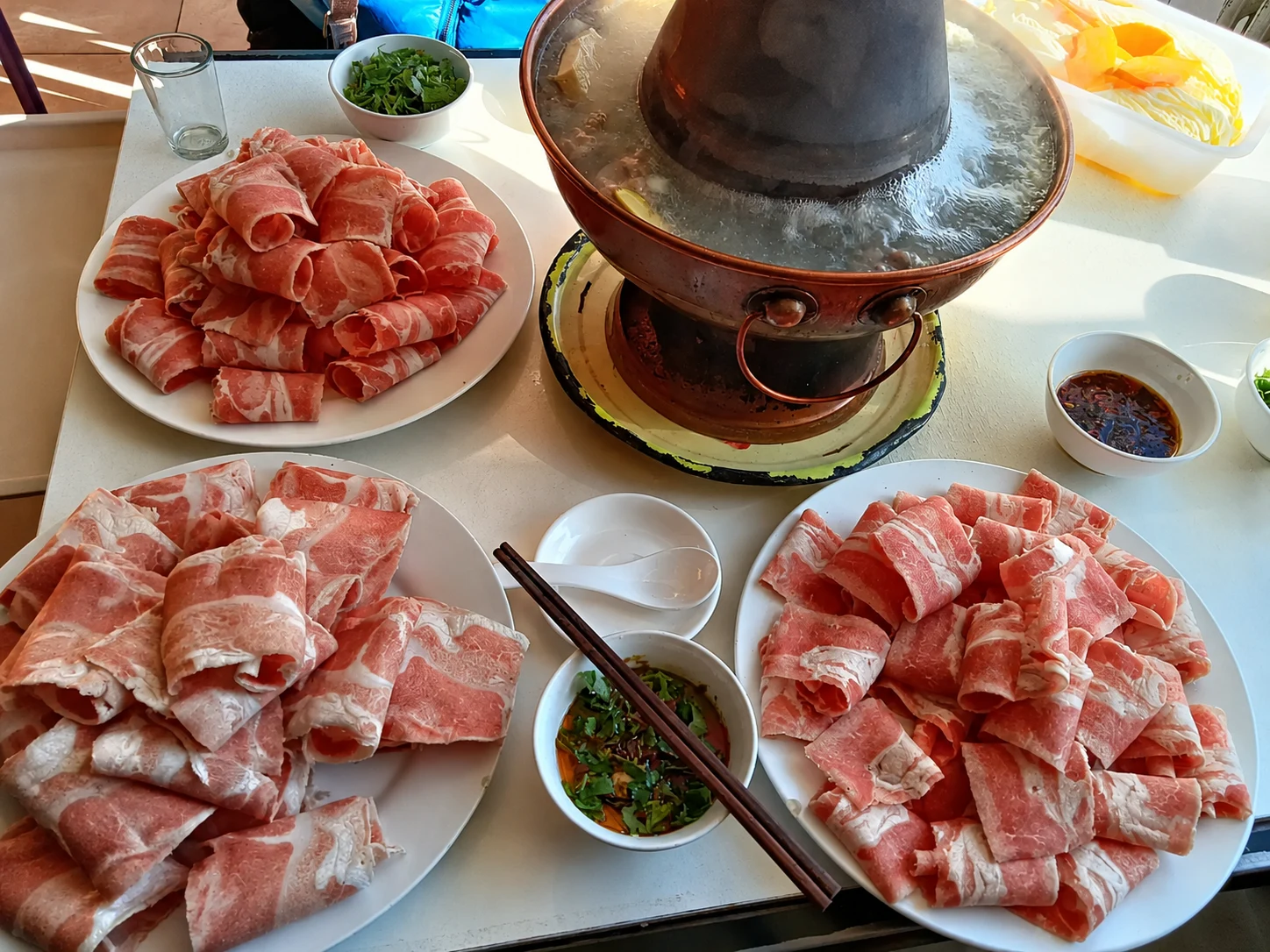
Beijing Winter Around a Coal Fire
Beijing's copper-pot mutton is a winter ritual of boiling lamb, glowing charcoal, and sugar garlic that has waited months for this moment.
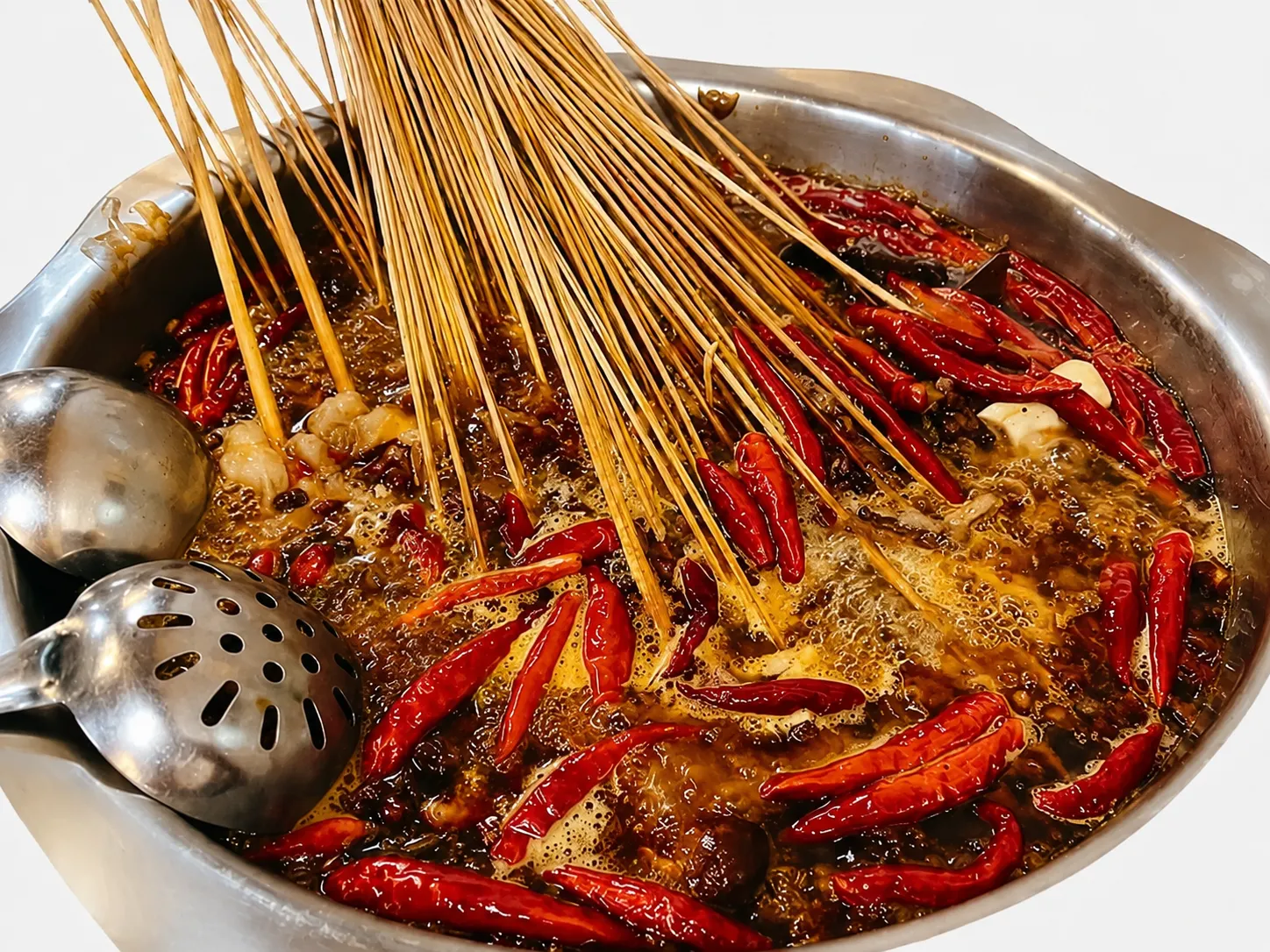
The Sound of Bamboo Hitting Broth
In a narrow Chengdu alley, a cook drops bamboo skewers into bubbling red oil, and the city eats dinner one stick at a time.
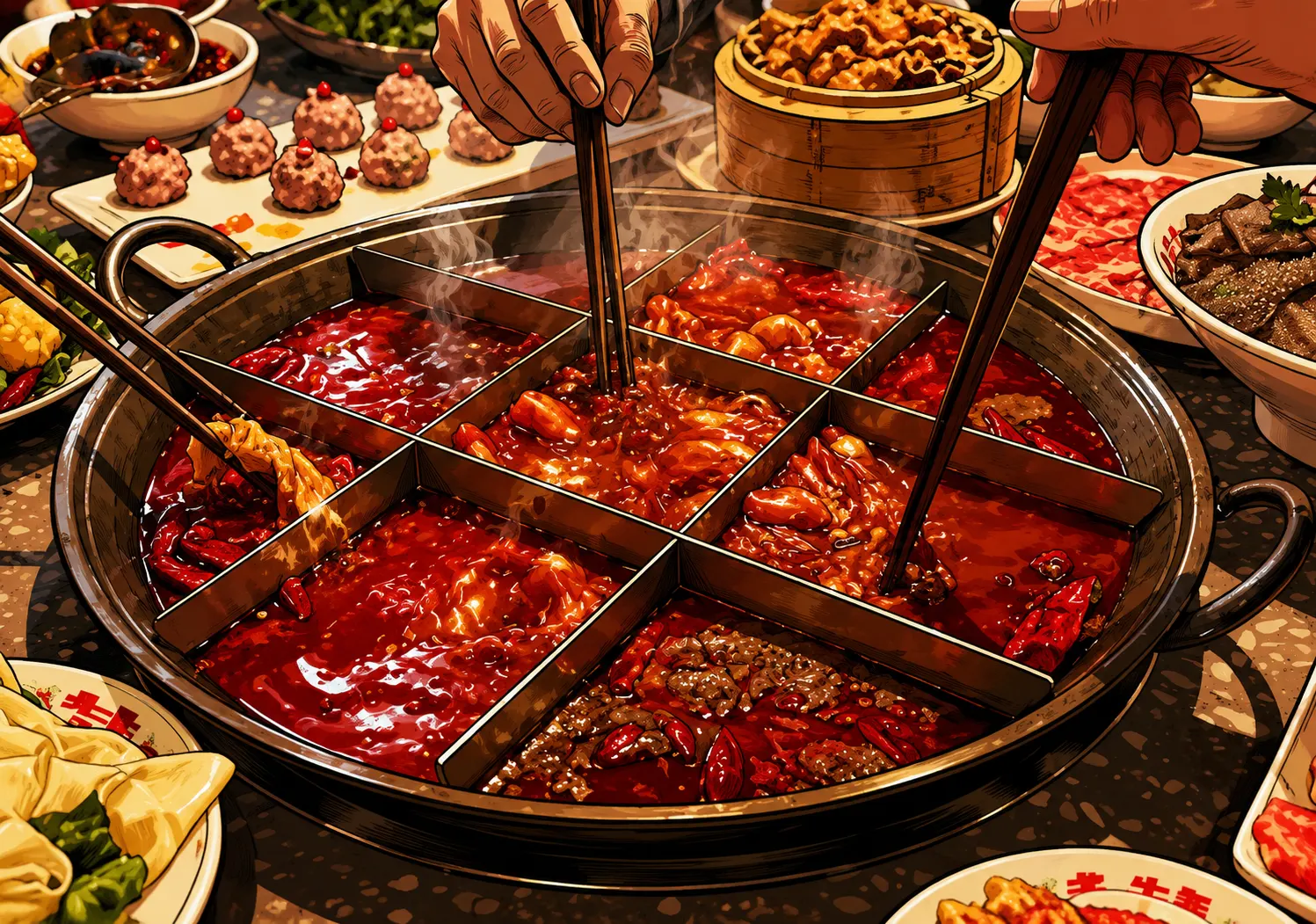
The Fire That Taught a City to Eat Together
In Chongqing, hotpot is a language spoken in bubbling broth, shared between strangers who burn their tongues together and somehow leave as friends.
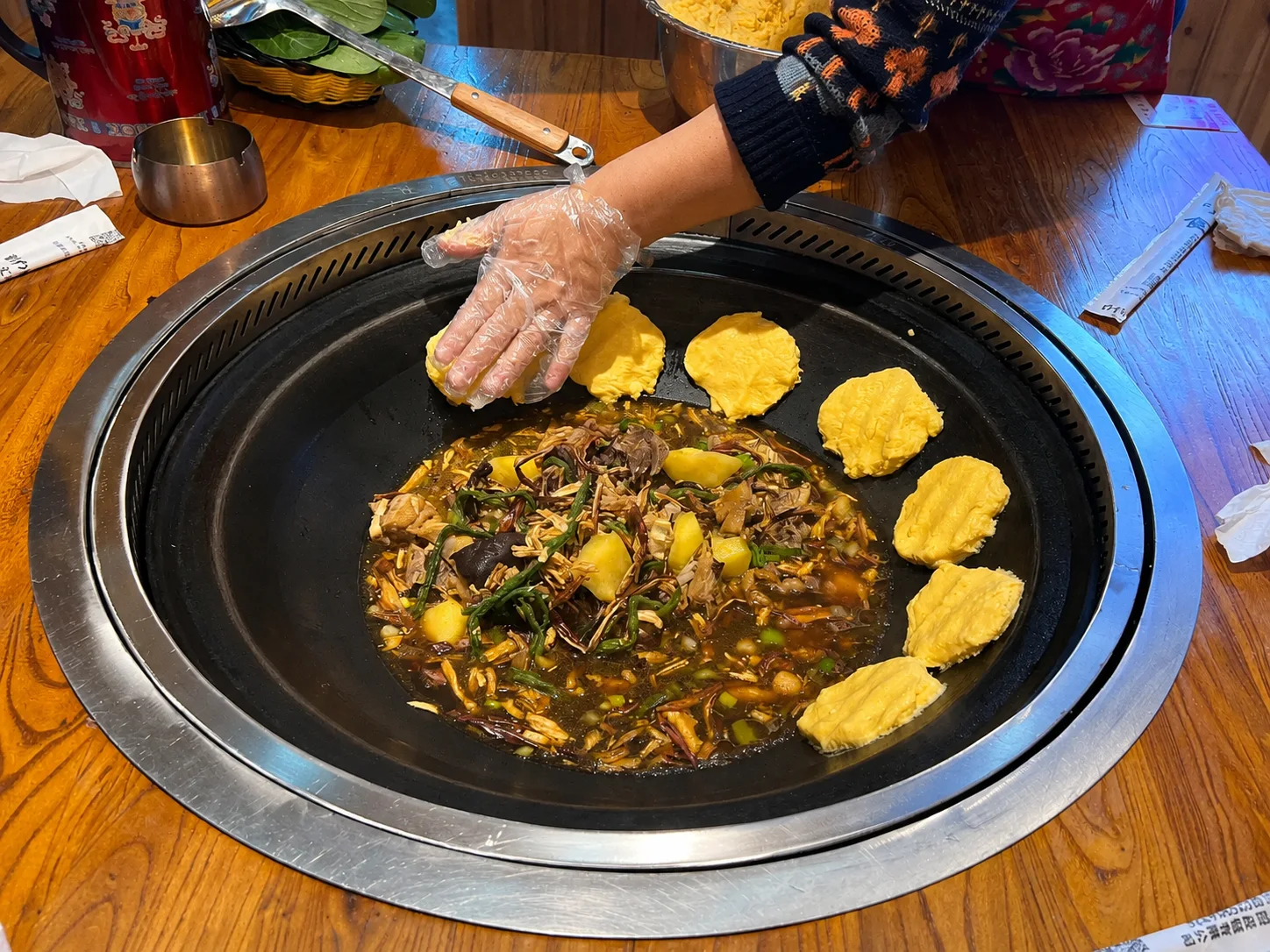
The Stew That Defeats Harbin's Winter
A blackened lid hisses as it lifts, releasing a cloud of pork bone steam that freezes in mid-air above Harbin, a promise that winter has finally met its match.
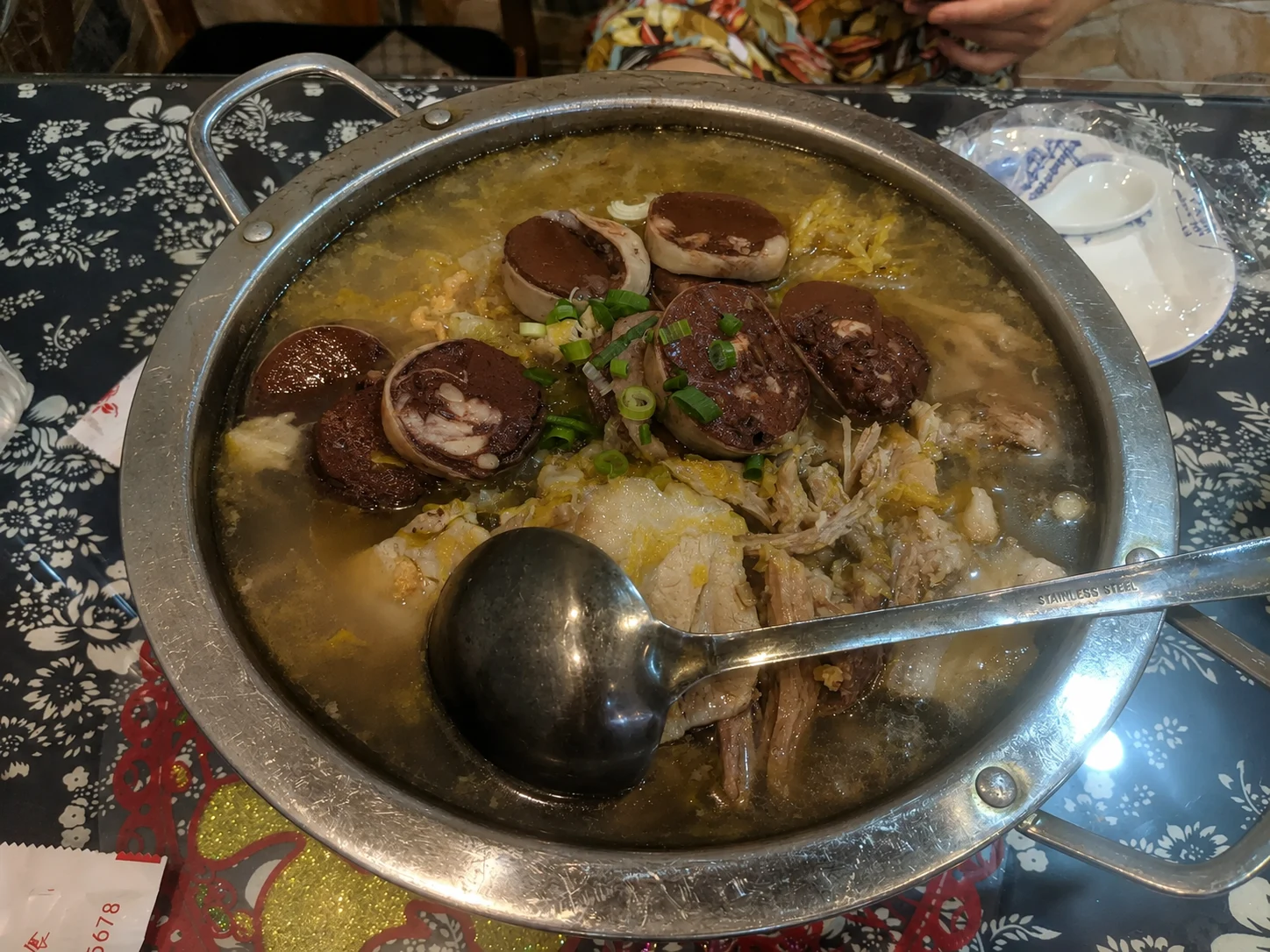
The Pot That Simmers Through the Snow
In a village north of Harbin, the year's first heavy snow signals more than the coming cold—it calls everyone to dinner.
Fire Cooking
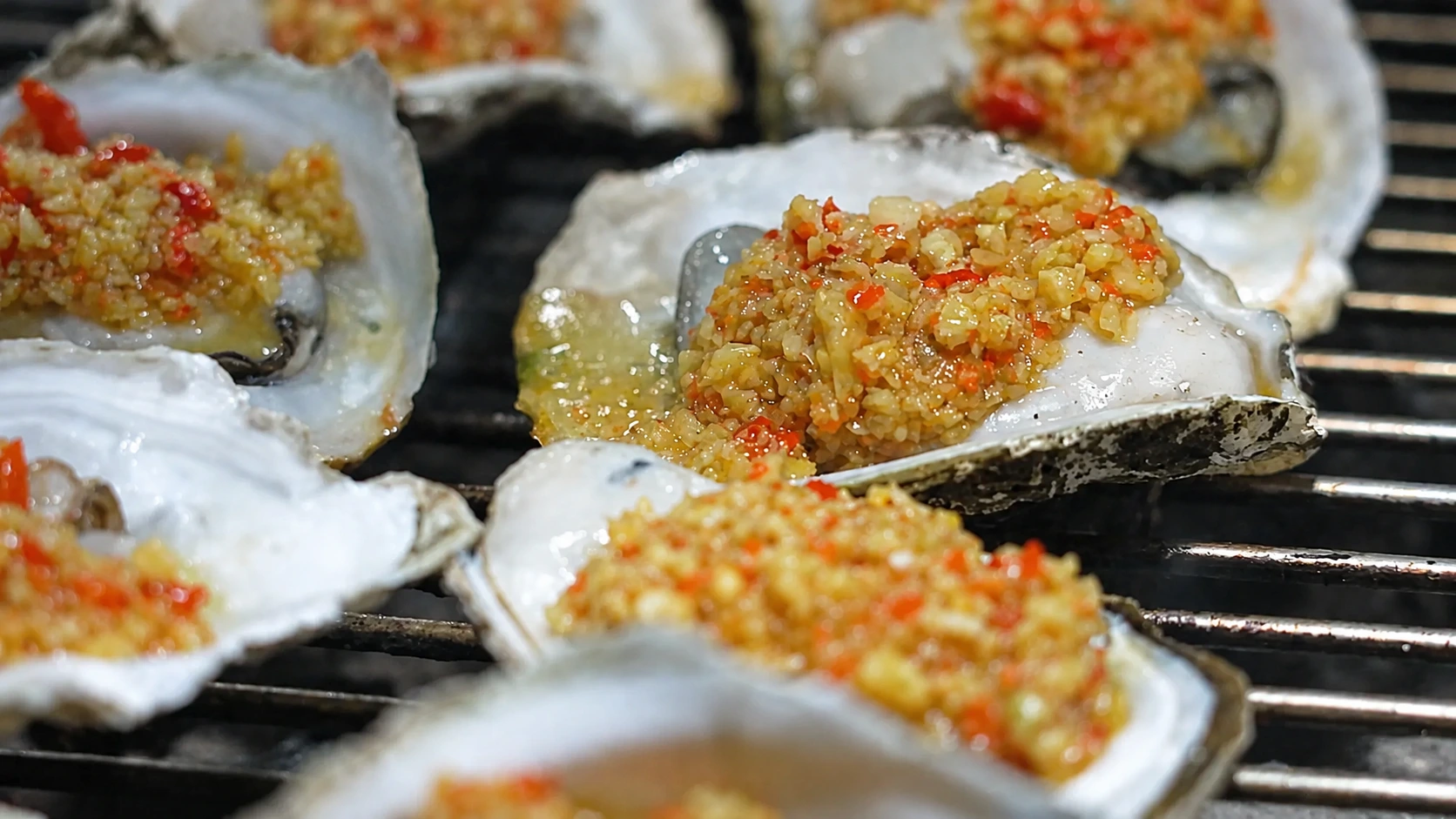
Chinese fire cooking begins long before the flame appears. Roast duck must be dried for crisp skin, Cantonese siu mei depends on marinades and hanging time, and grilled fish may return to broth after leaving the fire. Charcoal oysters add smoke without losing their coastal character.
These methods cannot all be reduced to barbecue. Enclosed ovens, suspended roasting, direct charcoal, and brief flashes of heat produce crisp skin, rendered fat, caramelized sauce, or wok hei. Roast-meat windows, night stalls, and dishes that keep cooking at the table also make fire part of how people order, gather, and eat.
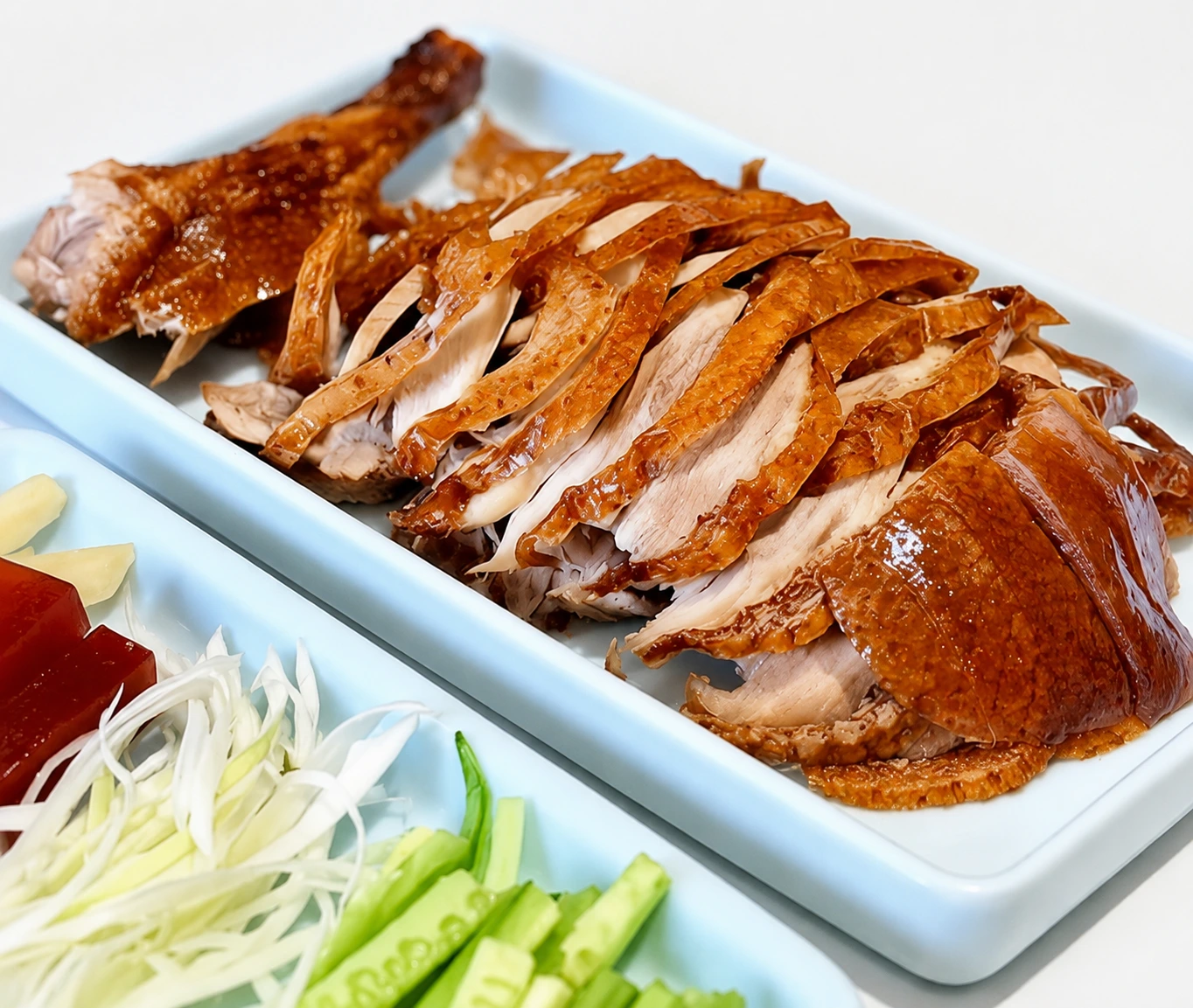
Two Fires and One Thin Pancake
Beijing roast duck begins with air under the skin, passes through fruitwood fire, and ends as one crisp bite folded by hand.
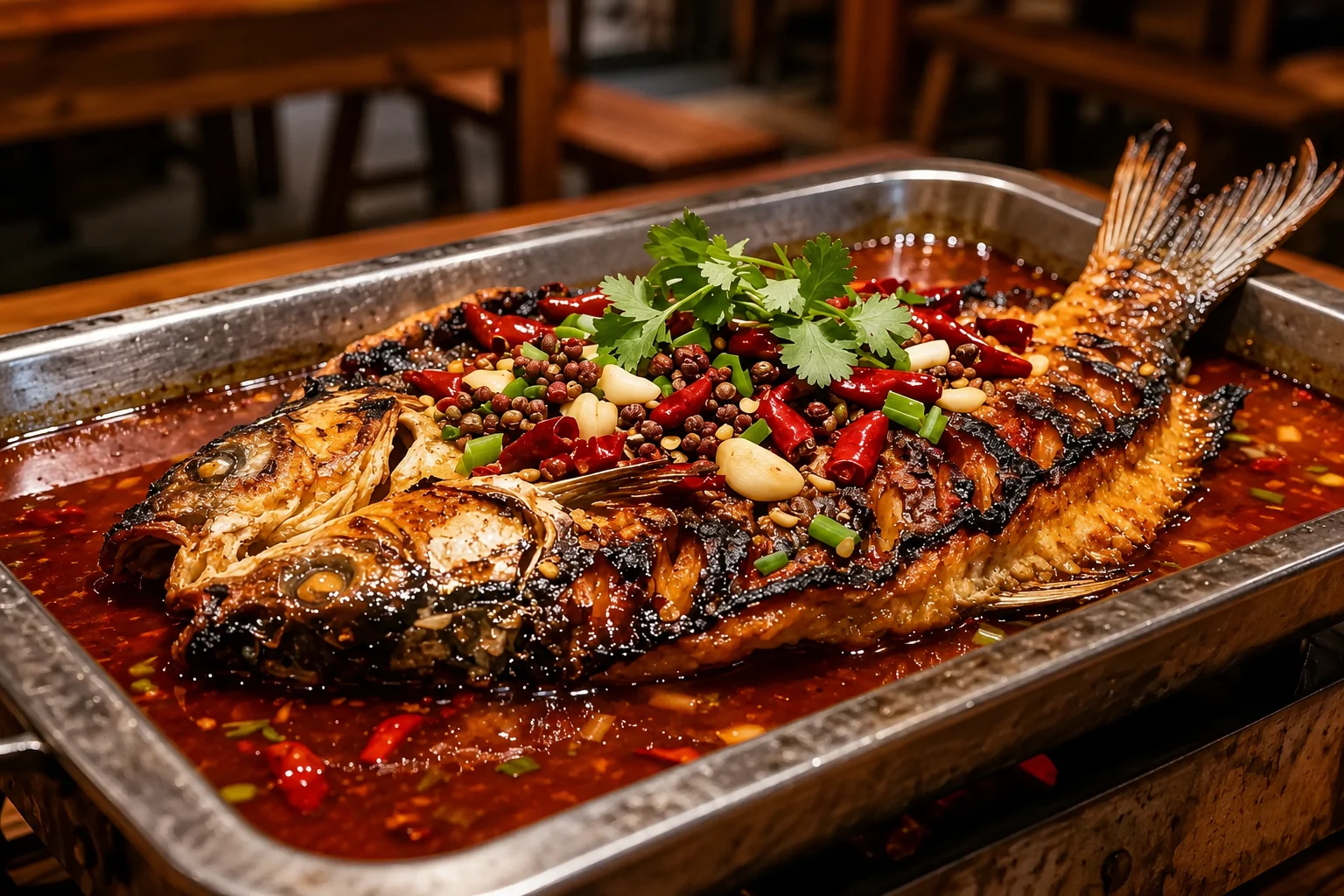
How One Fish Over Charcoal Captured a City's Soul
In Wanzhou, grilled fish is a slow ritual—charcoal tightens the fish while people wait by the river for mala spice to erupt.
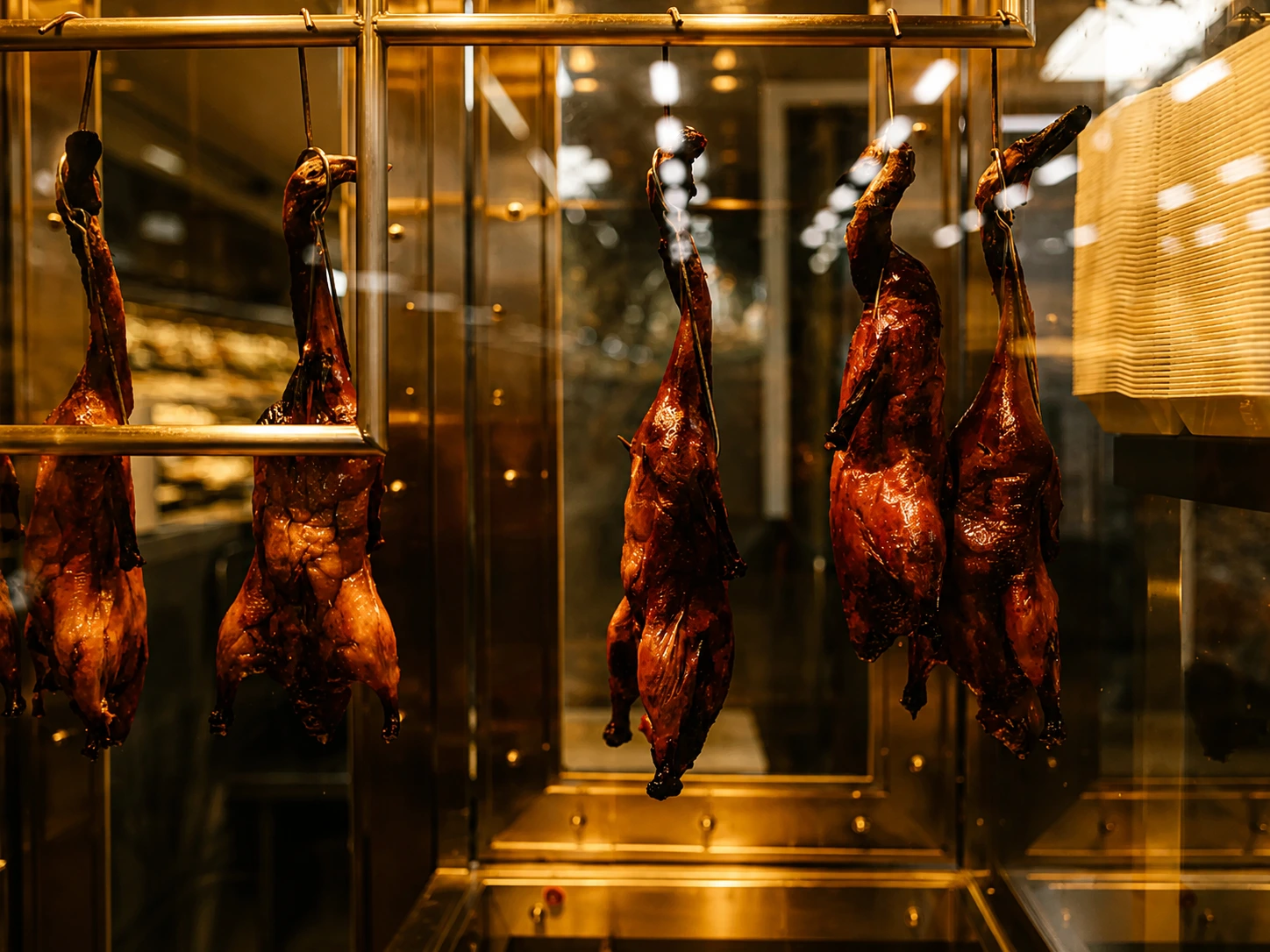
Thunk. Thunk. Before the City Wakes
Before Guangzhou wakes, a cleaver hits wood—in the steam of a Cantonese siu mei shop, a centuries-old ritual begins.
Breakfast on a Bamboo Raft
On any night in Zhanjiang, charcoal-grilled oysters spill from every corner—the story of a bay and two thousand years of hunger.
Wheat Foods
Much of northern and western China is shaped by wheat rather than rice. Flour becomes noodles, wrappers, breads, buns, and cakes through small changes in water, pressure, rest, and heat. Dough may be stretched, struck, torn into soup, wrapped around broth, or split to hold meat.
Technique turns wheat into regional identity. Xi'an has belt-wide biang biang noodles, hand-torn bread in yangrou paomo, roujiamo, and cool liangpi. Chongqing xiaomian builds breakfast around chili and preserved vegetables, while Shanghai xiaolongbao engineers a thin wrapper around hot soup. These differences reflect grain history, migration, climate, urban schedules, and knowledge carried in the hands.
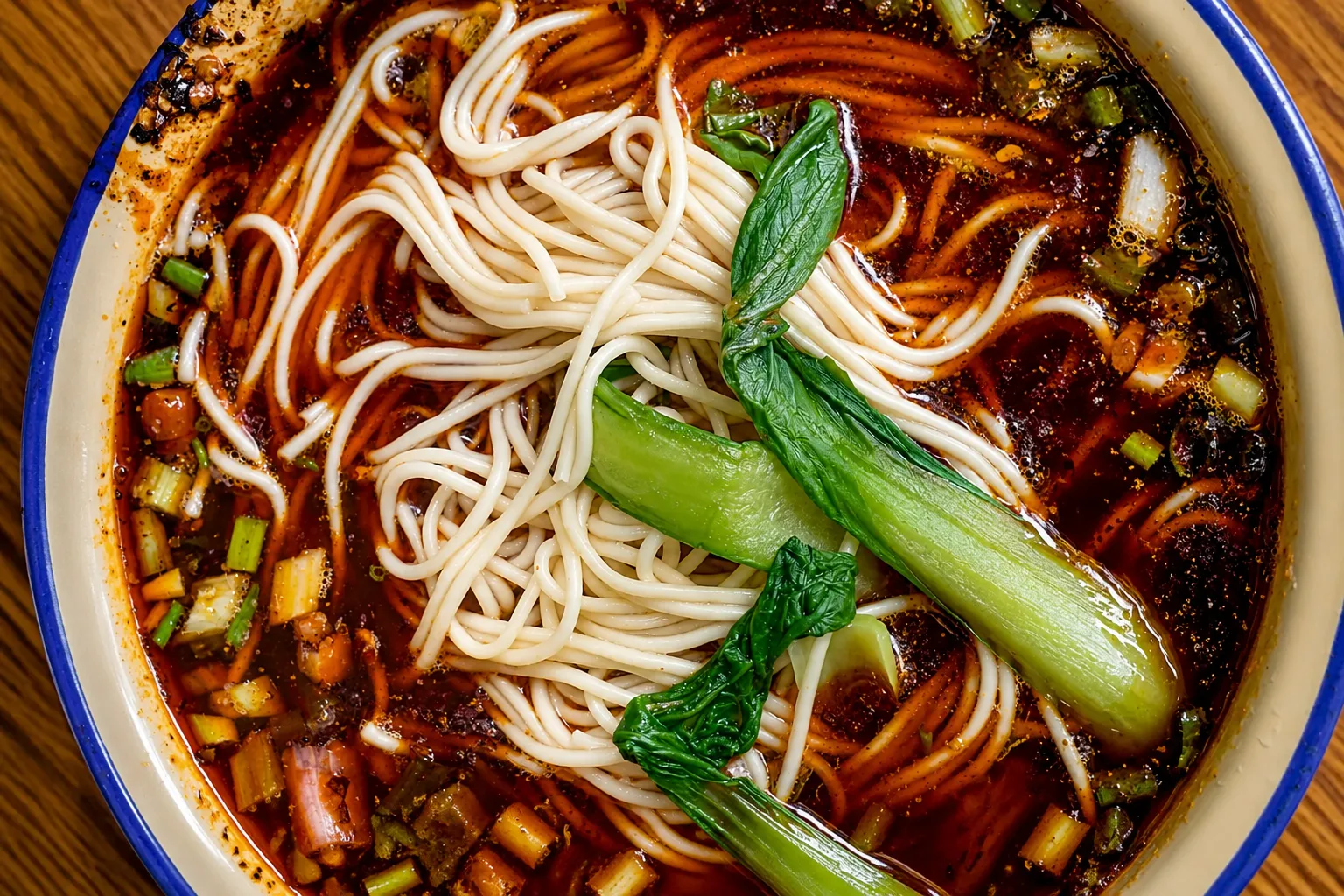
The Plastic Stool Banquet
In Chongqing, you judge a noodle shop by ear—listen for whether the slurping from the plastic stools is loud enough.
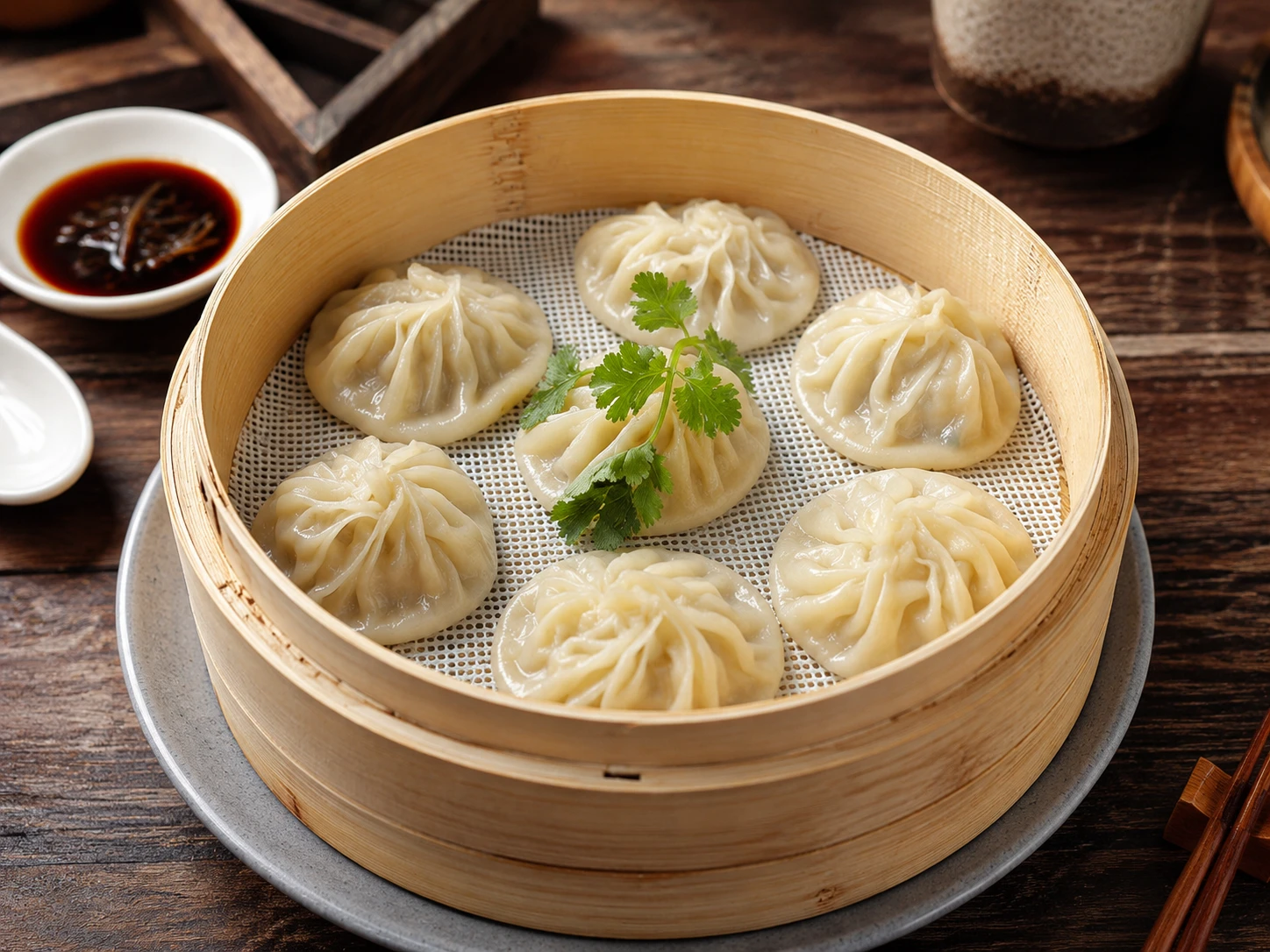
The Steam Inside the Bamboo Basket
At six in the morning, a Shanghai kitchen fills with steam. Inside the bamboo basket, six xiaolongbao tremble with hot broth. What happens next separates beginners from locals.
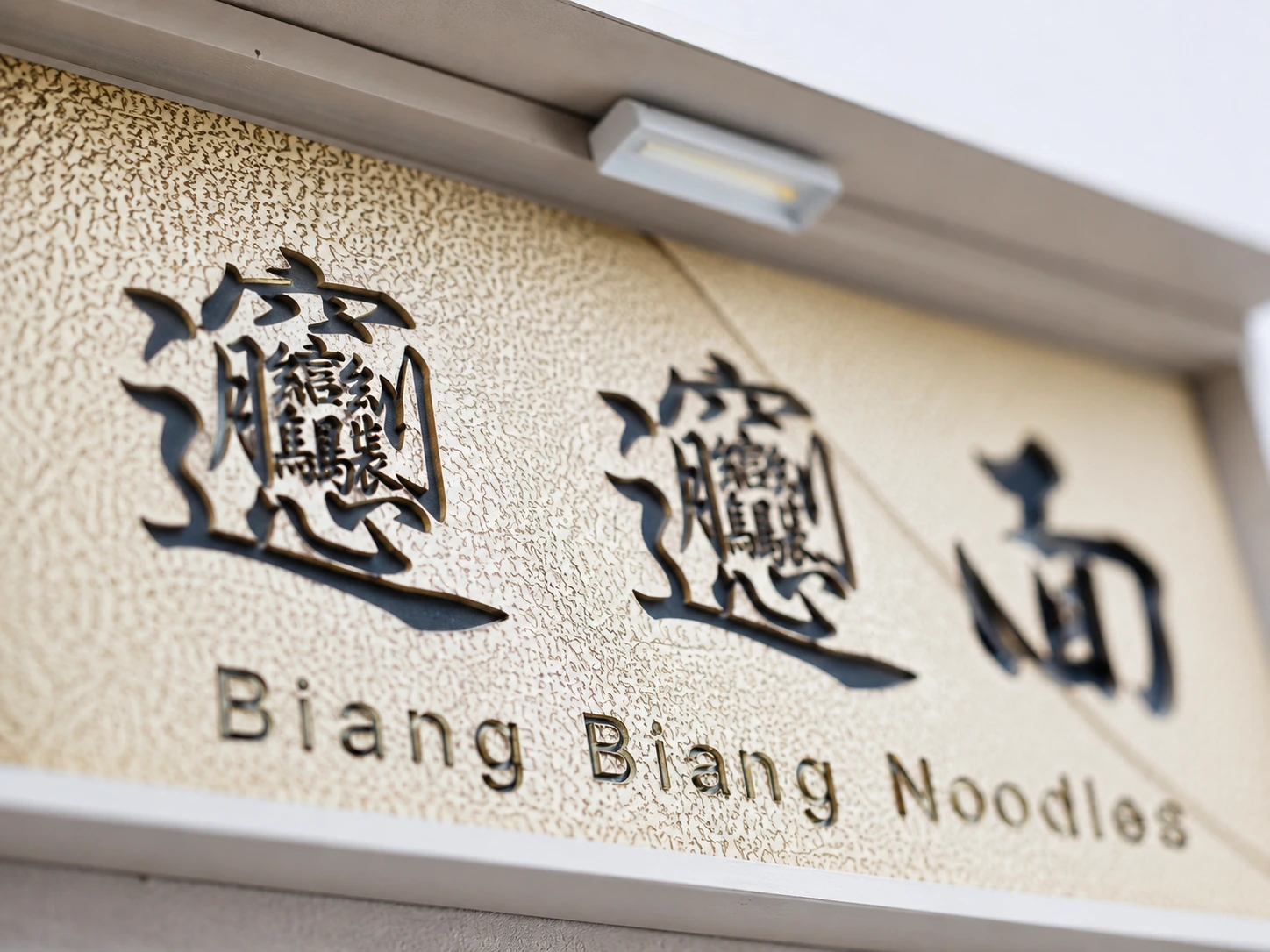
The Board Speaks, the Bowl Answers
Xi'an biangbiang noodles begin as a sound on the board and end in the hiss of hot oil waking chili, garlic, and wheat.
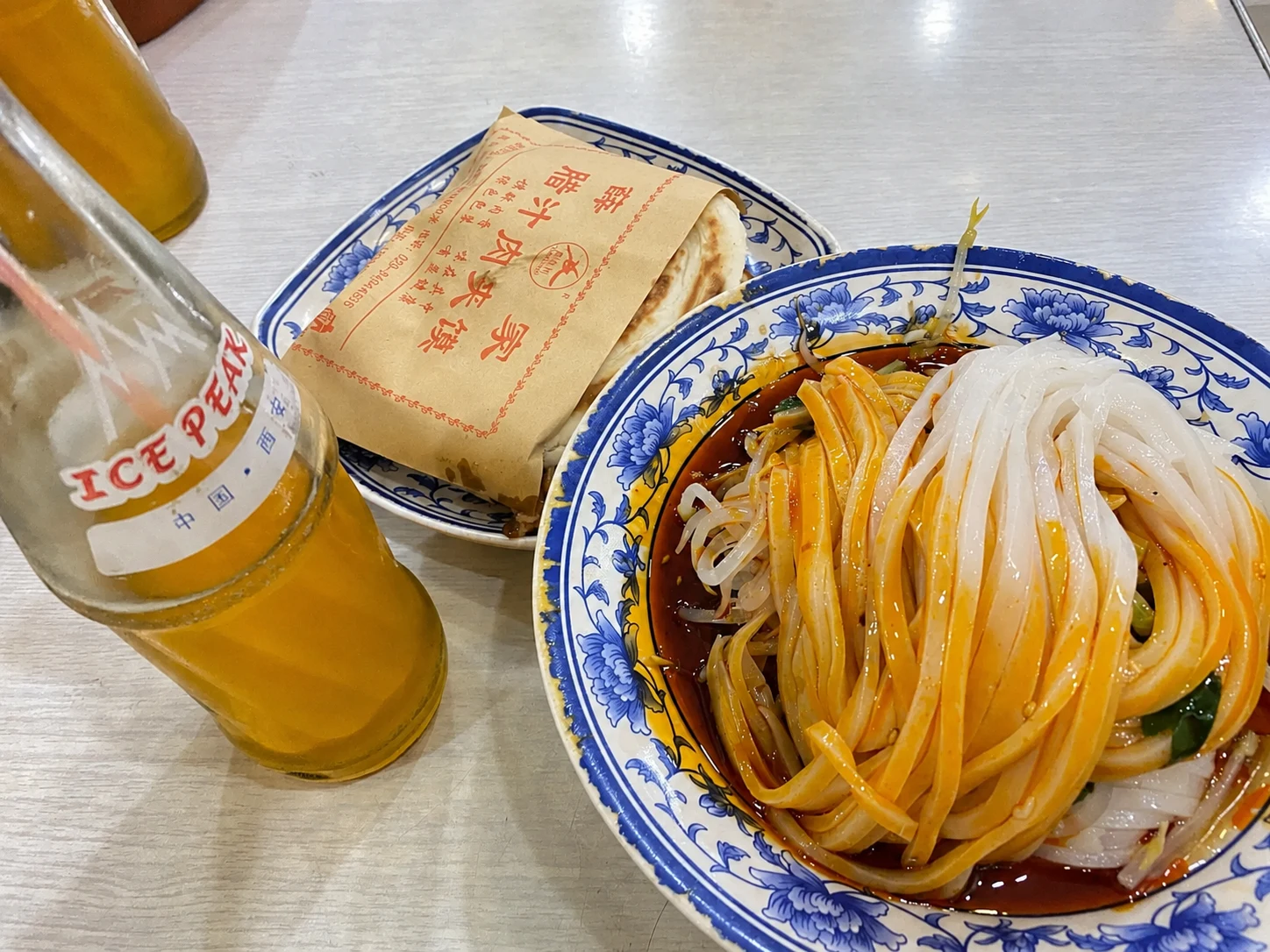
Xi'an's Three-Piece Lunch
A Xi'an noon in one quick meal: hot roujiamo, cold liangpi, and the pop of a Bingfeng bottle against the counter.
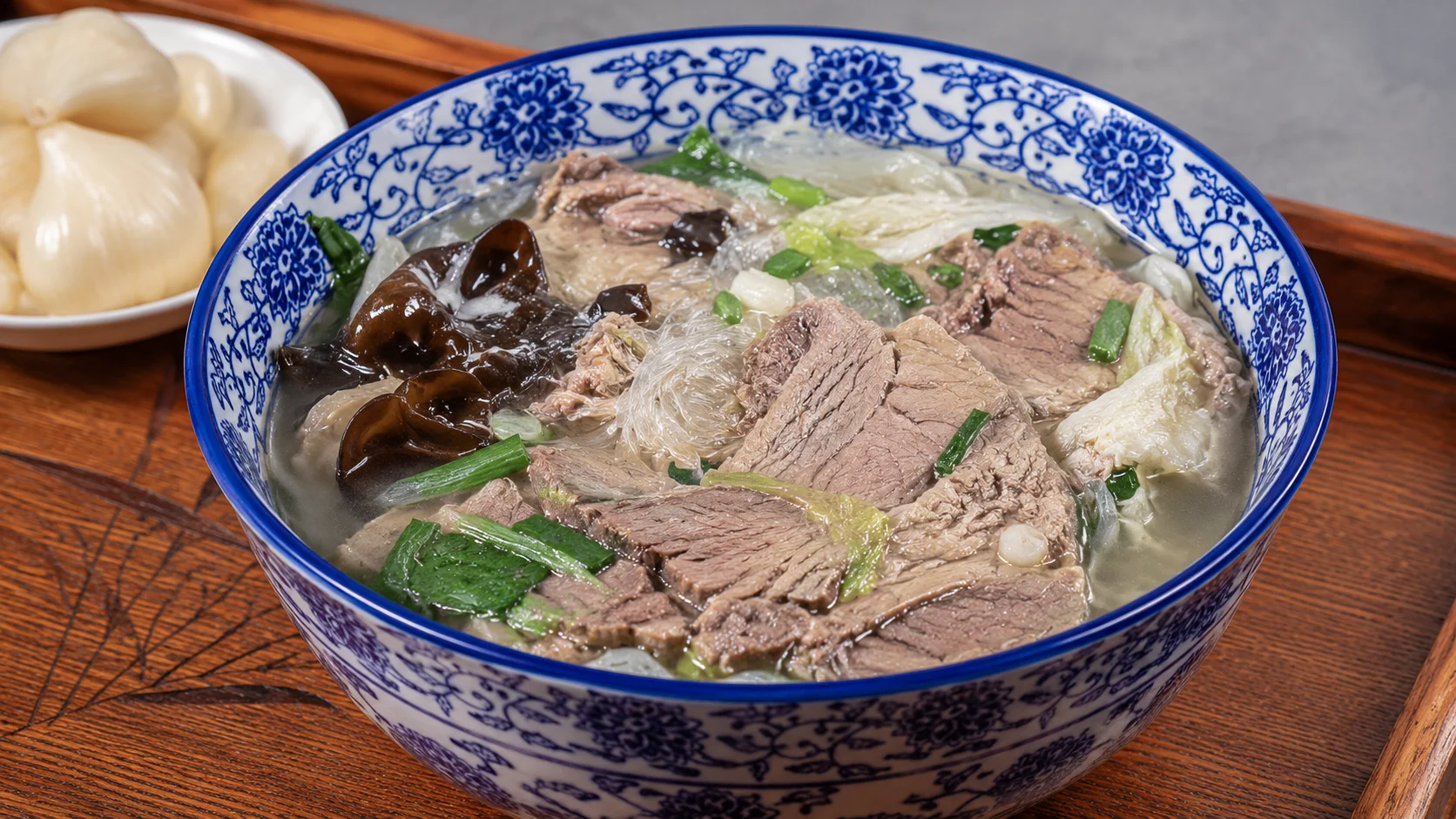
Xi'an's Lamb Bowls
In Xi'an, yangrou paomo begins in your hands—hard bread is broken piece by piece before lamb broth turns it into breakfast.
Everyday Meals
Everyday Chinese food is often quiet: soup simmered through the afternoon, chicken cooled before chopping, tofu cooked in a seasoned wok, breakfast lifted from a steamer, or a late-night bowl served after most kitchens close. These meals matter because spectacle is not the point.
Cantonese soup expresses family care, dai pai dong stalls feed neighborhoods after dark, and Zhanjiang chicken depends on careful restraint. Mapo tofu balances inexpensive ingredients with precise flavor; Chengdu pork-hock soup and Xi'an zenggao belong to particular hours of the day. Repetition makes these dishes culturally durable, joining technique, affection, economy, and local taste.
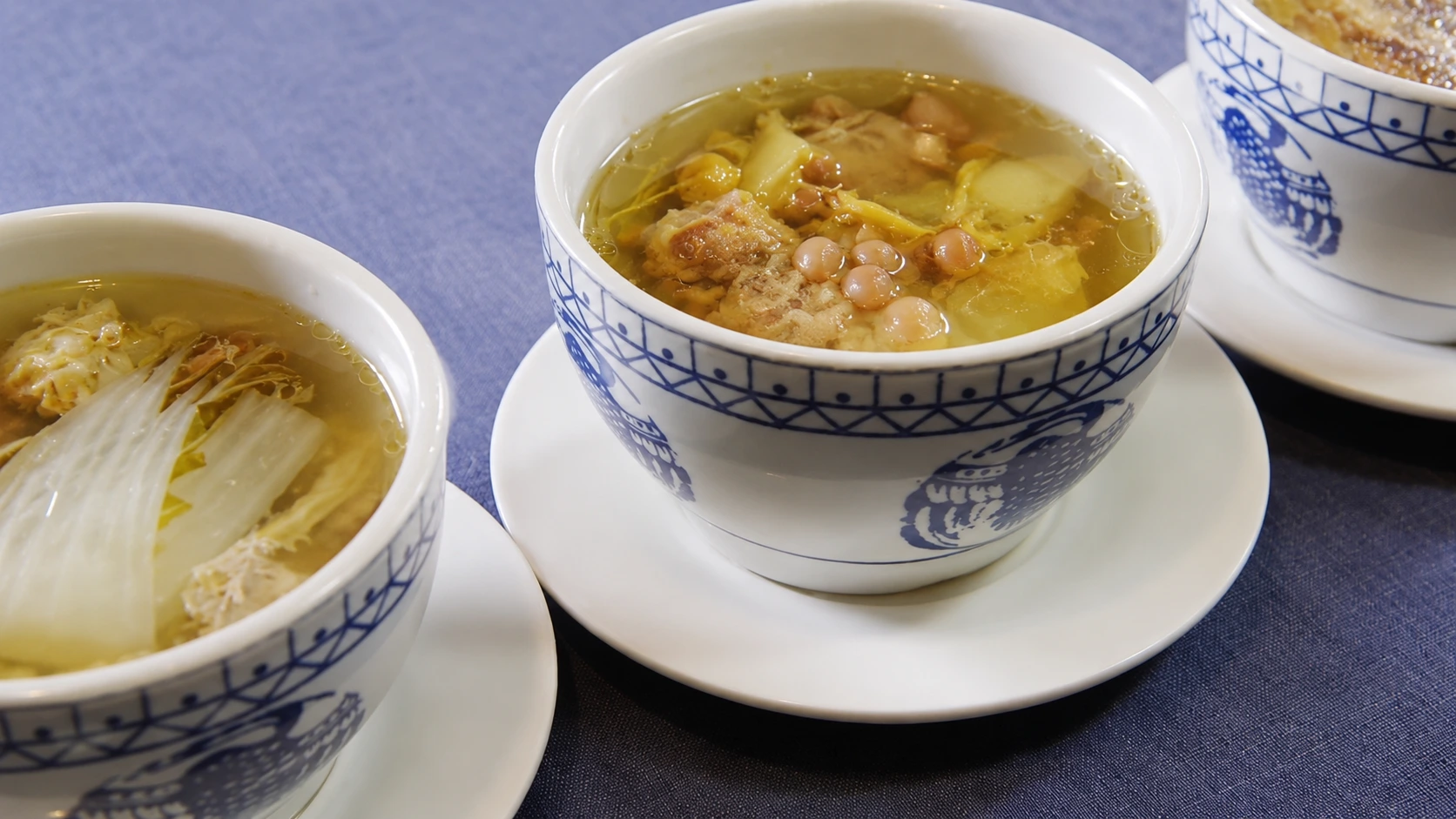
Old fire soup, a taste unique to Cantonese home cooking
In Guangzhou, old fire soup is a mother's first language, spoken in the slow steam from a pot simmering since dawn.
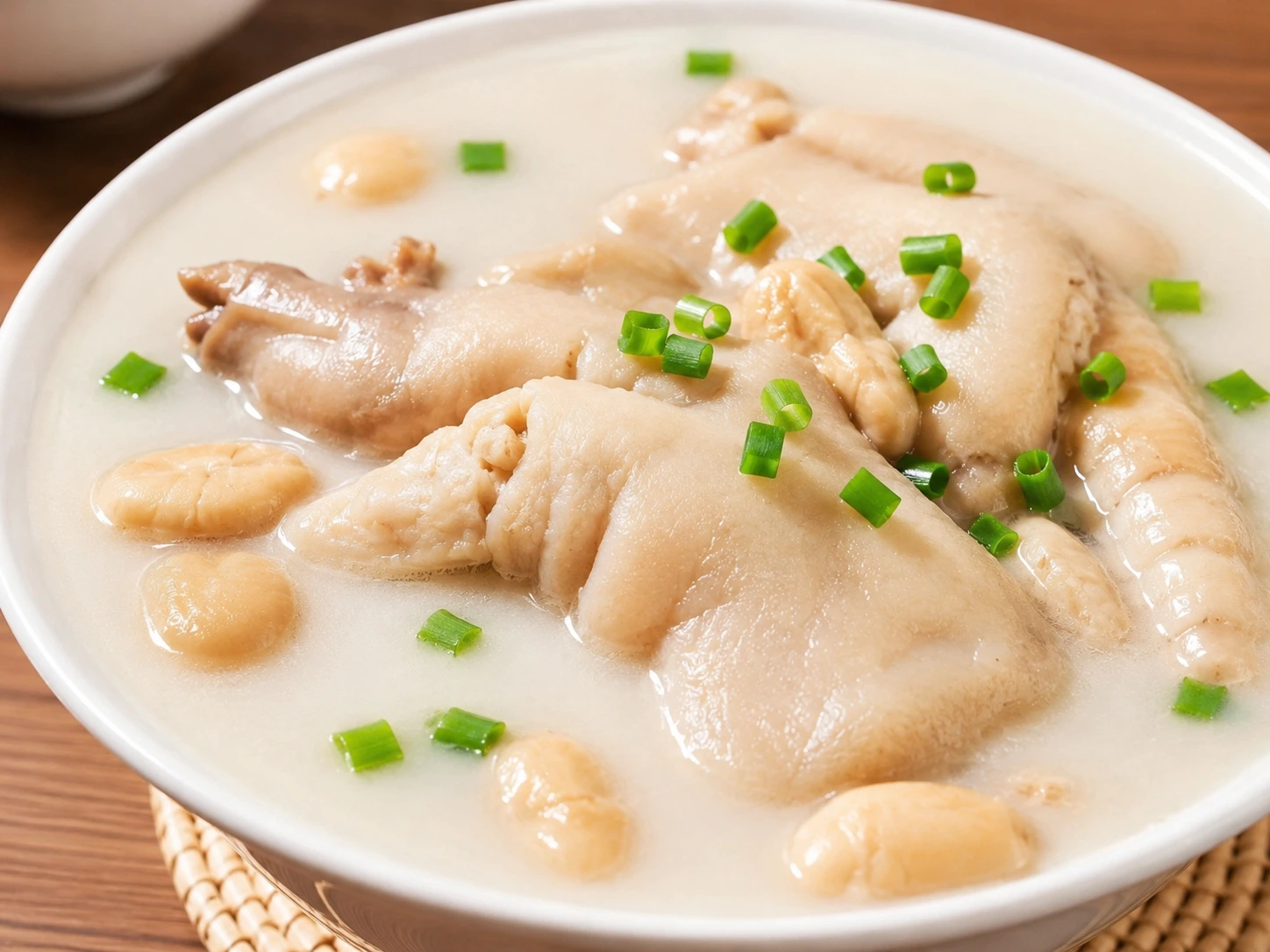
The Pot That Simmers While the City Sleeps
At three in the morning, while Chengdu empties its hotpot pots, a clay cooker on a quiet street begins its eight-hour whisper.
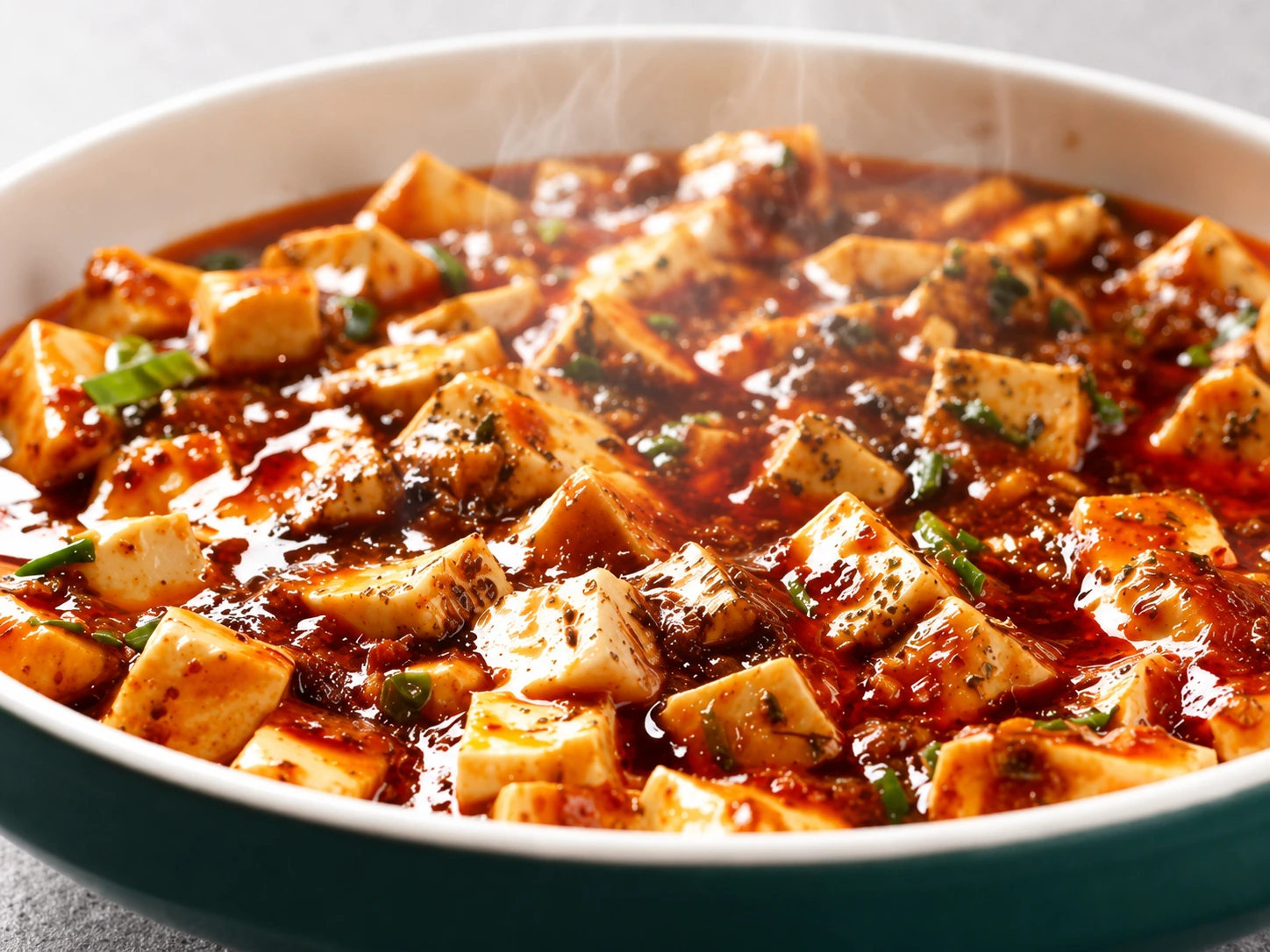
The Moment the Peppercorn Hits the Wok
Mapo tofu carries the name of a Chengdu cook whose humble restaurant turned soft tofu, beef, bean paste, and peppercorn into a classic.
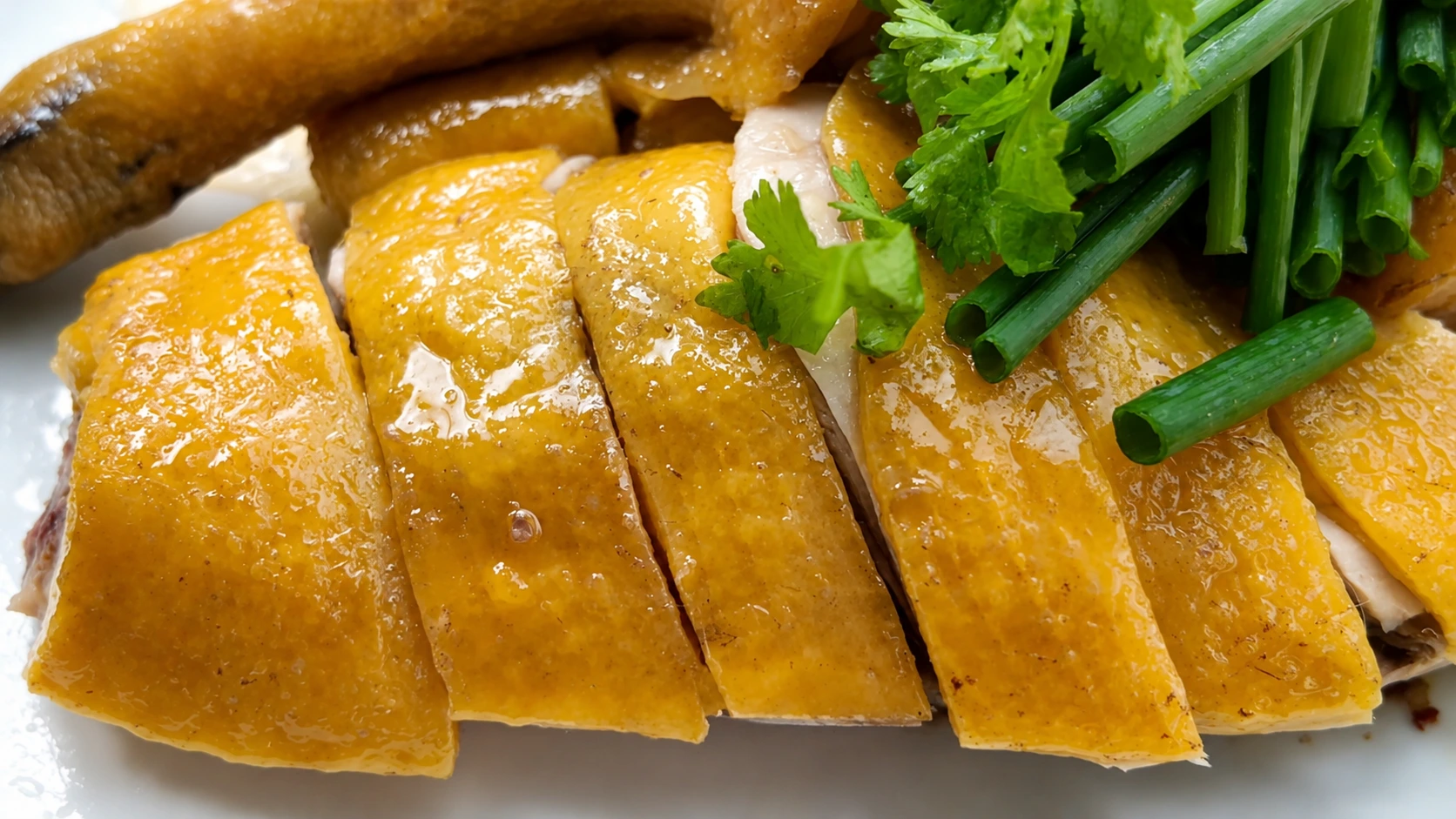
Grandma Doesn't Like the Leg
In Zhanjiang, a chicken leg moves from platter to grandmother's chopsticks to grandson's bowl—this is how love moves in a Chinese family.
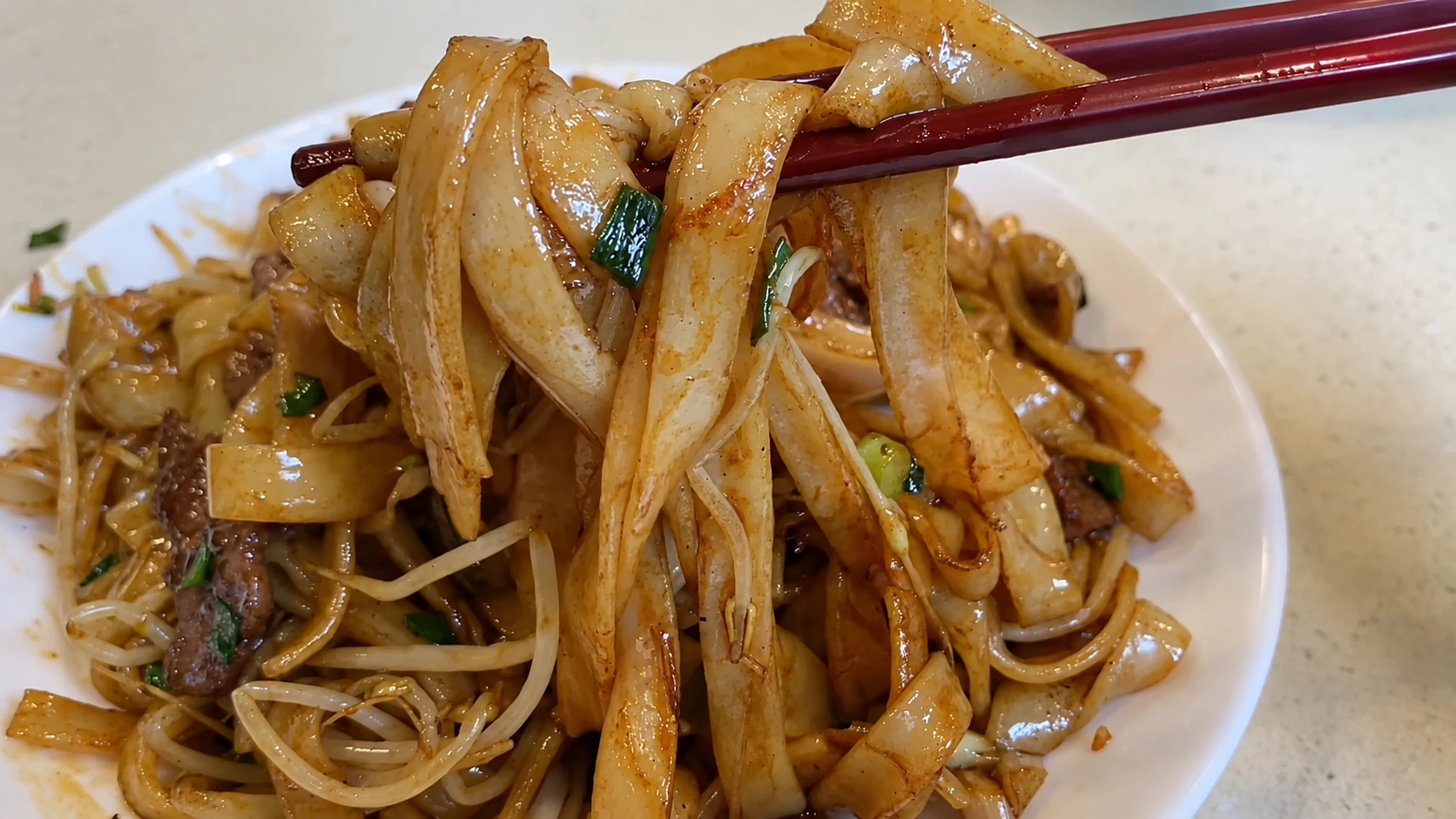
The Soul of Guangzhou's Late-Night Dai Pai Dong
When the sun sets over the Pearl River, woks ignite in Guangzhou's open-air food stalls under streetlights.
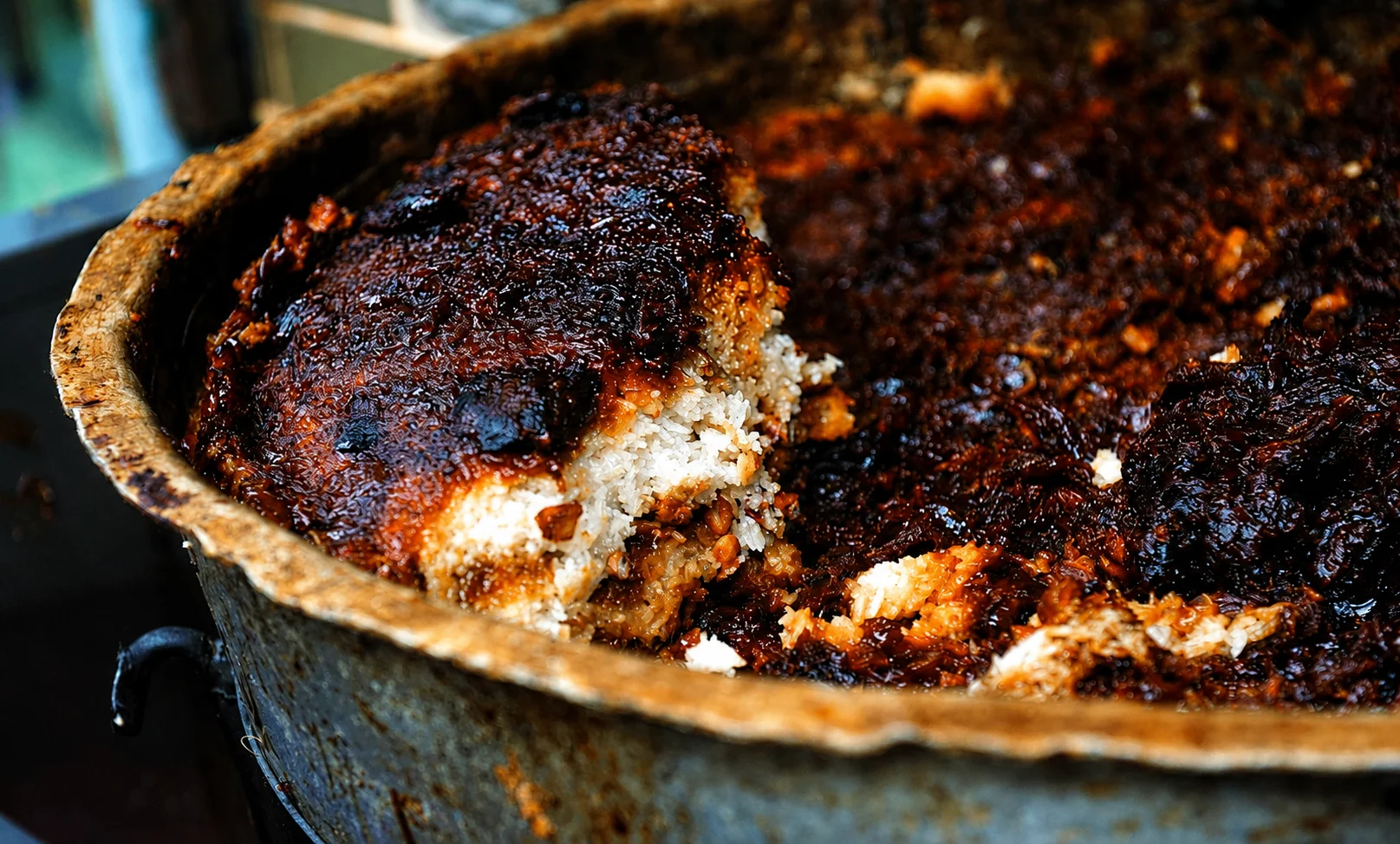
Zenggao and Xi'an's Sweet Morning Cakes
Before Xi'an wakes, zenggao vendors lift a steamer lid and release the smell of glutinous rice, red dates, and slow heat.
Tea Culture
Tea in China spans brewed leaves, bitter herbal drinks, bottled beverages, and cheese-topped cups designed for modern shopping streets. These are not one tradition, but together they show how taste, health, identity, and fashion move across generations.
Southern liang cha may contain no tea leaves and reflects local knowledge of plants and climate without serving as medical advice. New tea brands combine tea, fruit, milk, design, delivery apps, and celebrity marketing. Bitterness can signal inheritance while sweetness signals novelty, yet both become recognizable commercial identities in a beverage culture that keeps reworking older tastes.
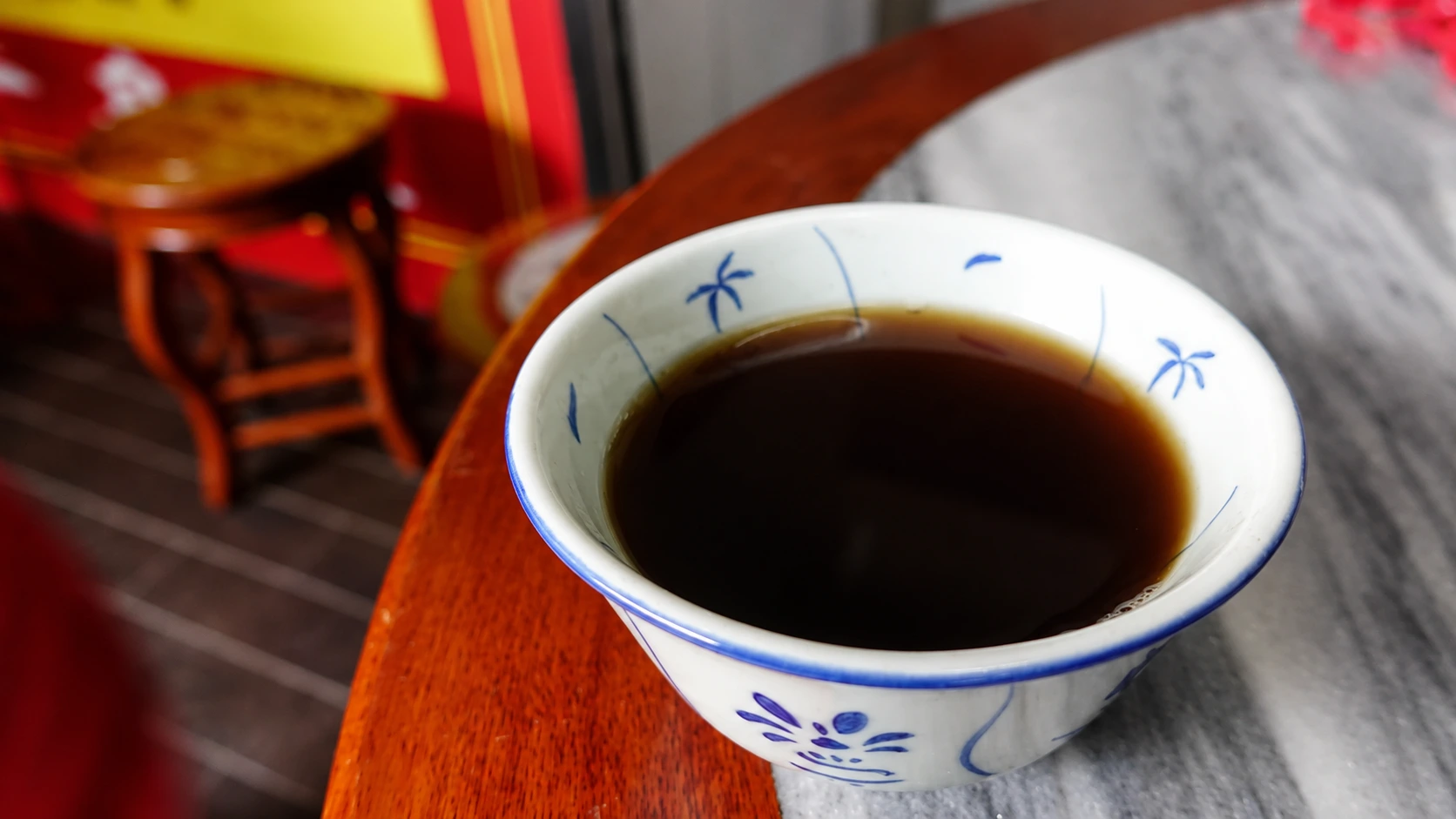
Liang Cha, Guangzhou’s Bitter Herbal Tea Tradition
A tourist with a sore throat walks into a Guangzhou herbal tea shop. The owner pours a dark bowl and says: 'Drink.'
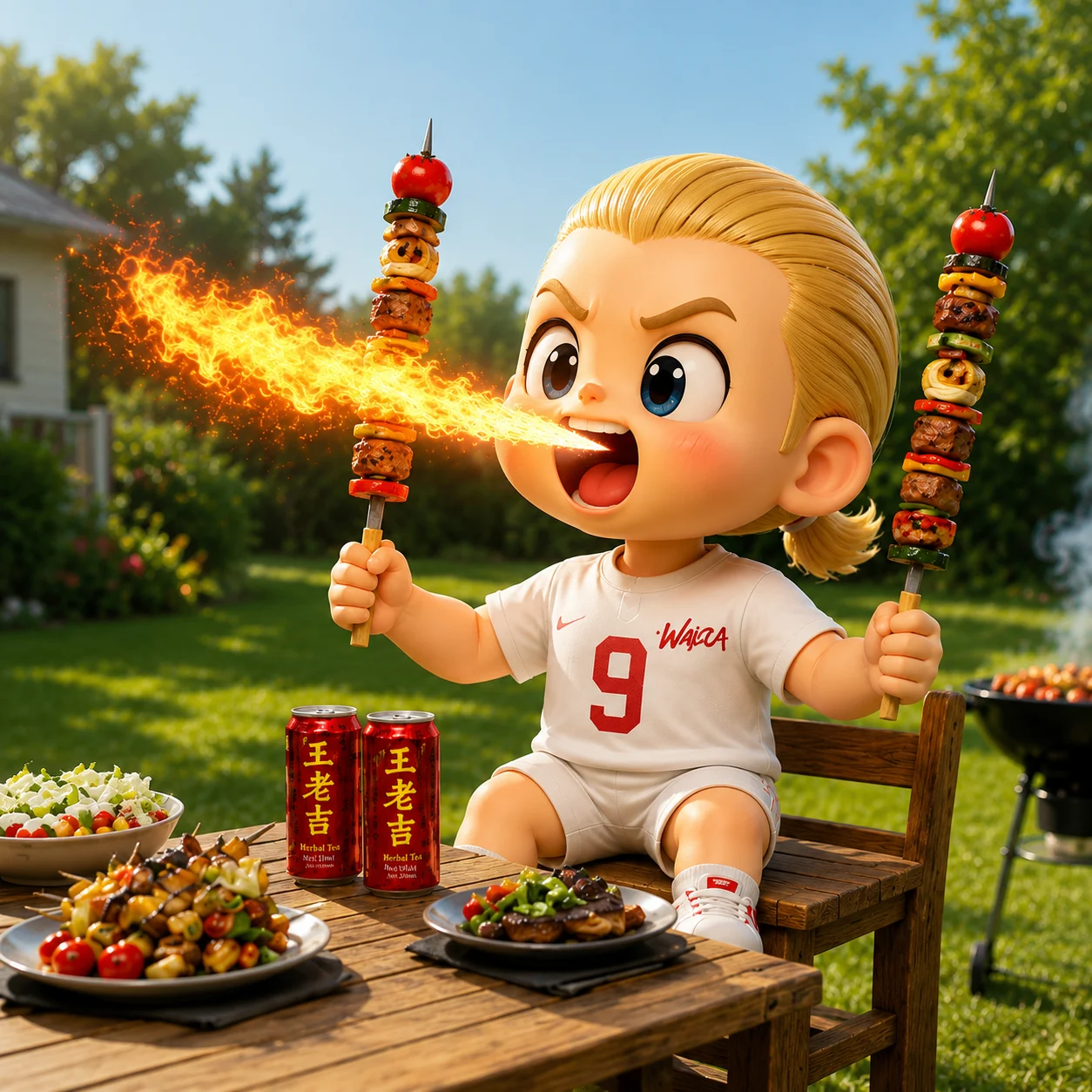
Why Is Haaland Advertising Chinese Herbal Tea?
A viral Haaland advertisement, a can of Chinese herbal tea, and one Mandarin phrase that explains why the campaign uses fire.
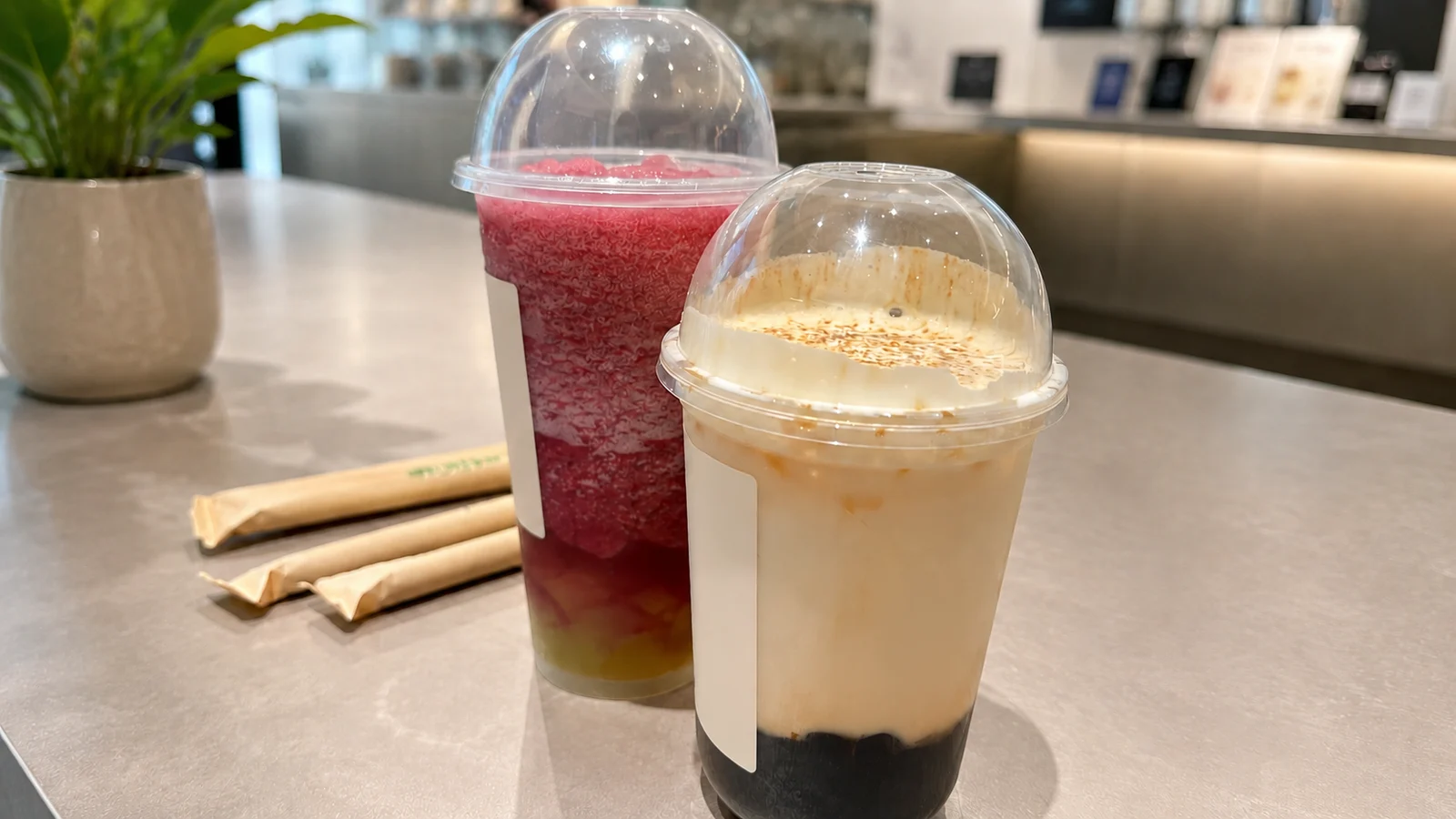
Why Is HEYTEA Cheese Tea So Popular?
A long queue for cheese tea, a Chinese brand going global, and one Mandarin word behind the taste of real tea.