Modern China
Modern China is shaped by machines, infrastructure and digital behavior as much as by headline statistics. This guide explains how technology enters factories, public spaces, energy systems, sport and everyday online life.
Intelligent Machines
China's robot industry is easy to misread when every machine is labeled either a breakthrough or a fake. A robot may combine autonomous perception, remote control, and scripted behavior, performing well in a demonstration but struggling when people, objects, or lighting change.
Training grounds, WAIC prototypes, robot combat, factories, and malls show machines at different stages of readiness. The useful questions are practical: What can the robot sense? Which decisions are autonomous? Is a person controlling it? Can the task be repeated outside a controlled setting? This framework separates research platforms, commercial products, and demonstrations while tracking how embodied AI moves into unpredictable real spaces.

Why China's AI Robots Are Learning to Work in the Real World
A worker guides a robot toward a paper cup, revealing why machines must experience changing rooms, objects and people before they can truly work.
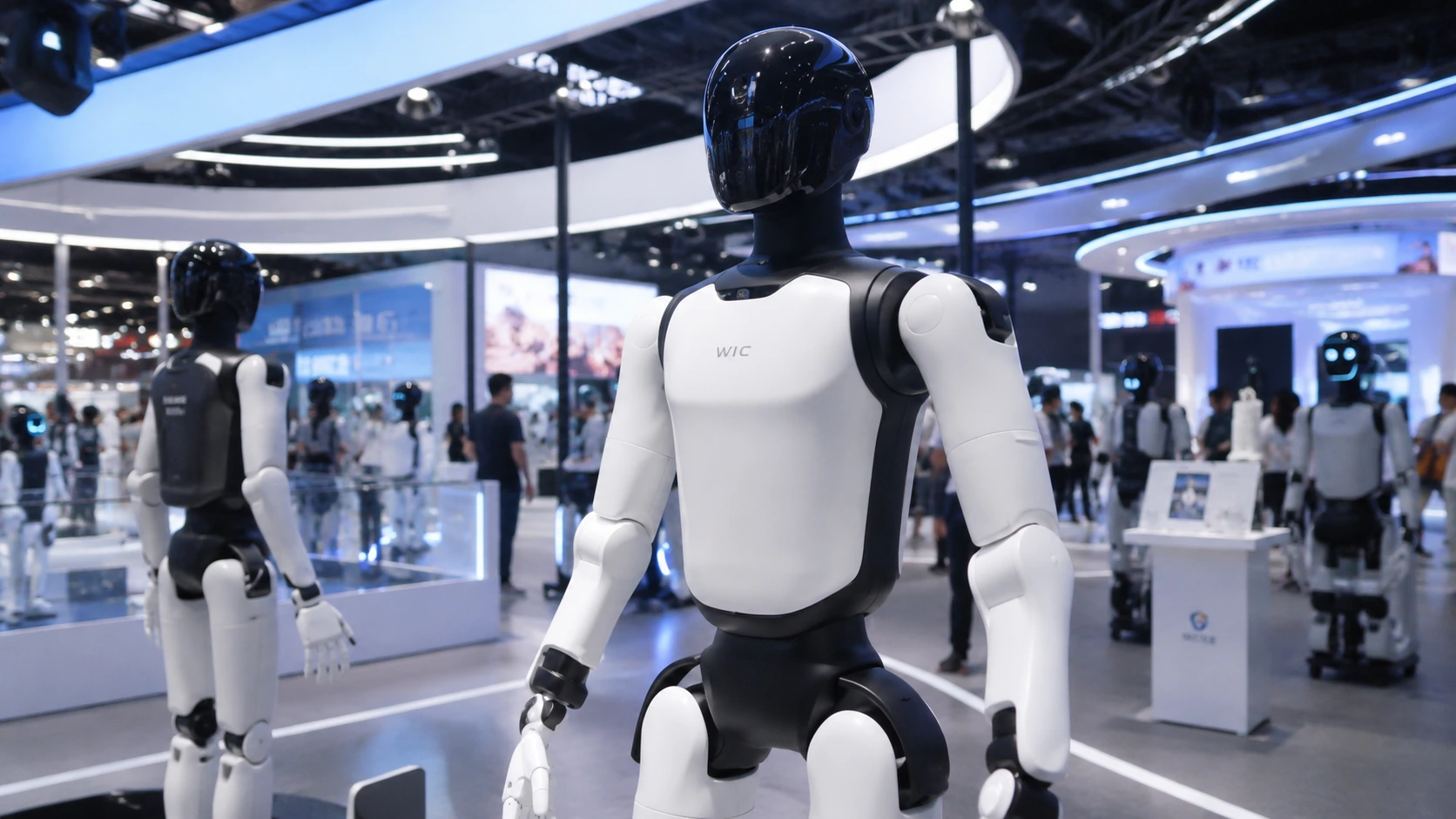
The Volunteers Who Wake Up in Charging Stations
At WAIC 2026, humanoid volunteers reveal how Shanghai connects AI models, robot training, local components, mass production, and real-world deployment.
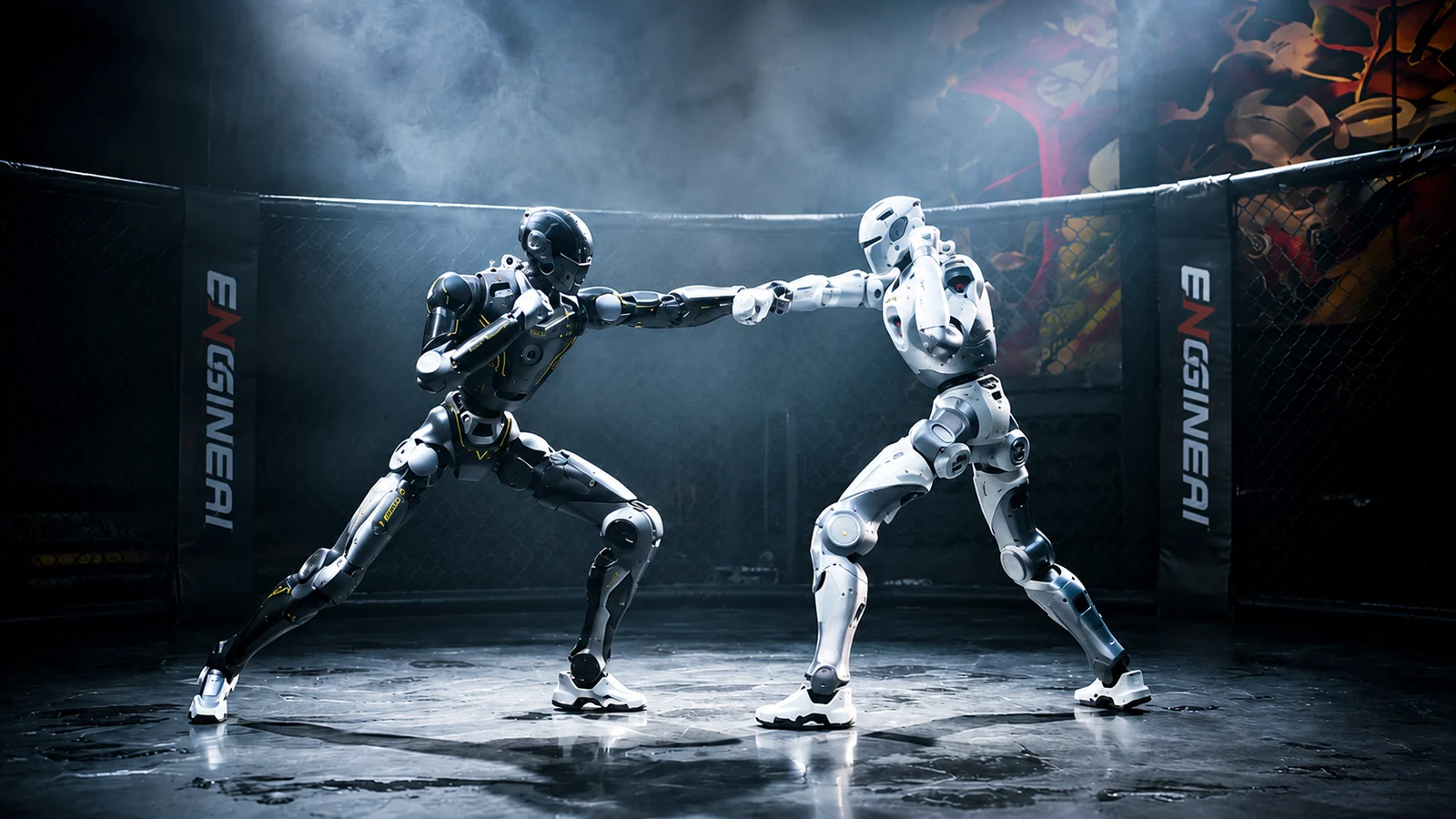
Was China's Headless Robot MMA Fight Really Autonomous?
A robot loses its head and keeps fighting. We look inside the autonomous AI decisions powering China's wonderfully chaotic URKL league.
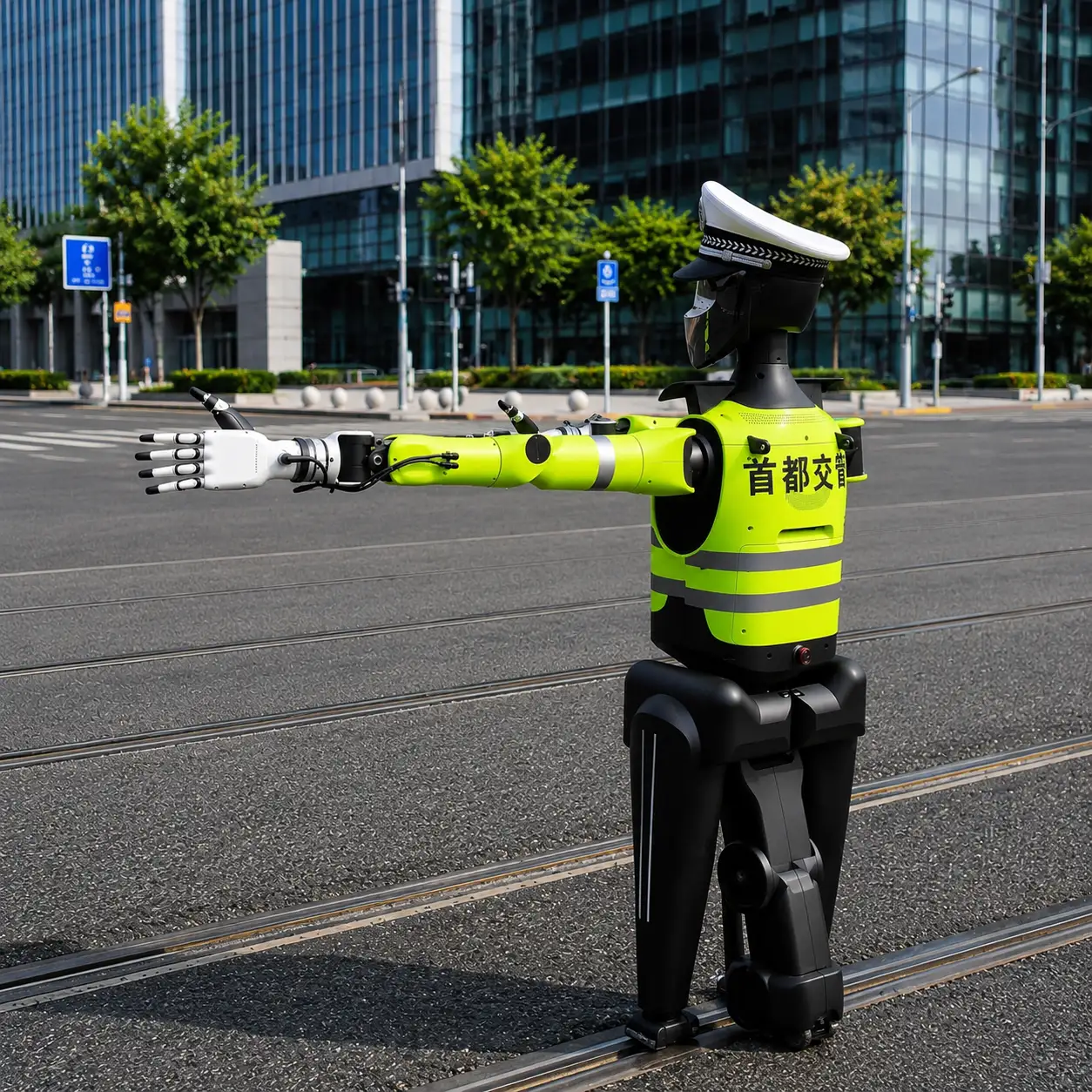
Why Are Robots Suddenly Everywhere in China?
A hotel delivery bot, a robot traffic helper, and one Mandarin word for machines stepping into ordinary Chinese life.
Infrastructure
Modern China often appears through systems whose scale is easy to overlook: inland power reaching coastal homes, dams altering Yangtze shipping, factories coordinating workers and robots, and disaster simulators turning warnings into physical experience.
Ultra-high-voltage lines, Gezhouba, Midea's manufacturing network, typhoon preparedness, and Third Front factories connect distance, risk, labor, and reliability. The central questions are who built each system, what problem it addressed, which regions it joined, and what trade-offs followed. Looking from an appliance or city light back through these networks reveals both the capacity and disruption created by infrastructure.
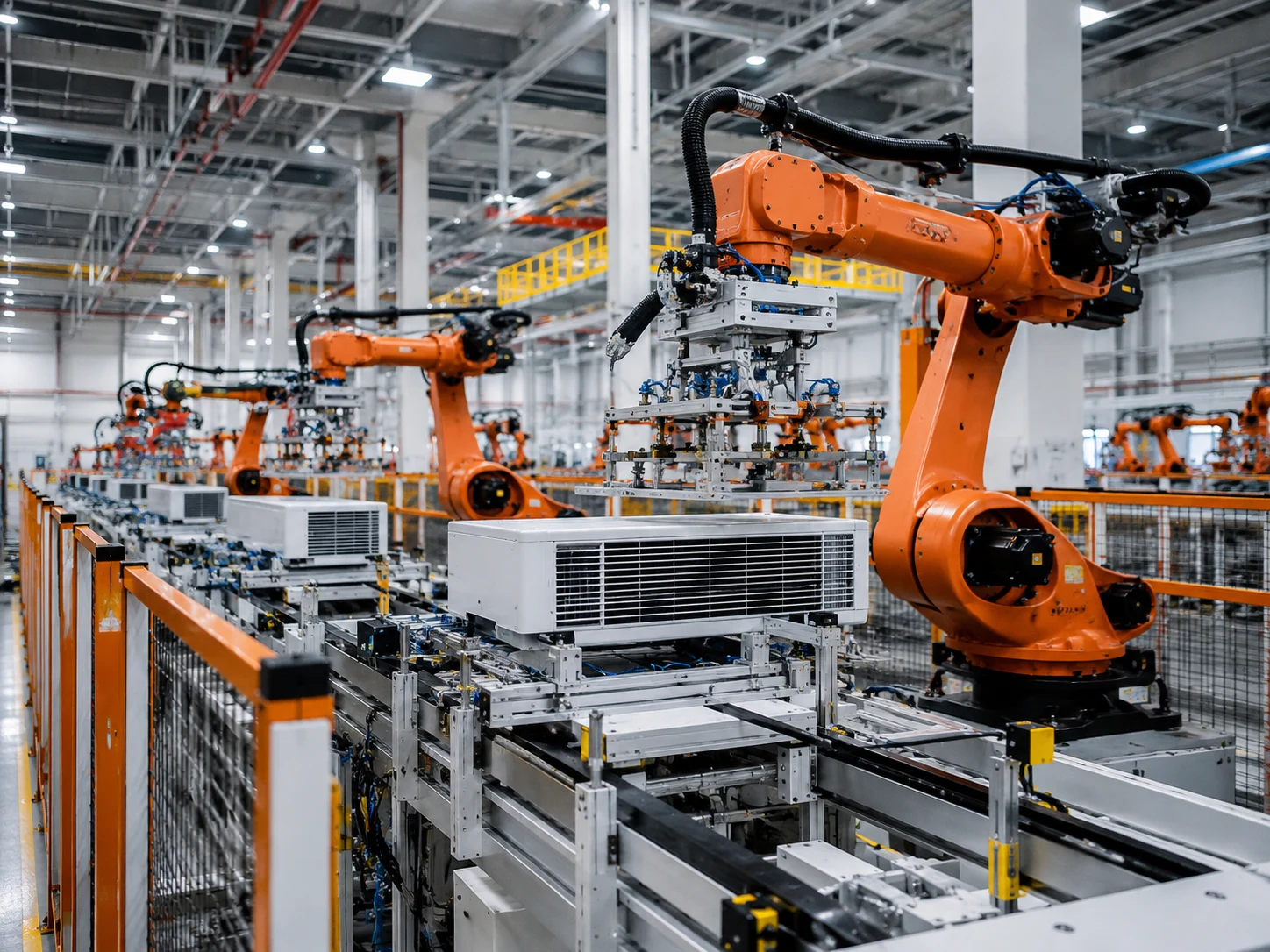
The Robots That Make Your Air Conditioner
In 1968, 23 farmers in Foshan raised 5,000 yuan to make bottle caps. Today that workshop builds air conditioners with robots and AI, and a French heatwave explains why.
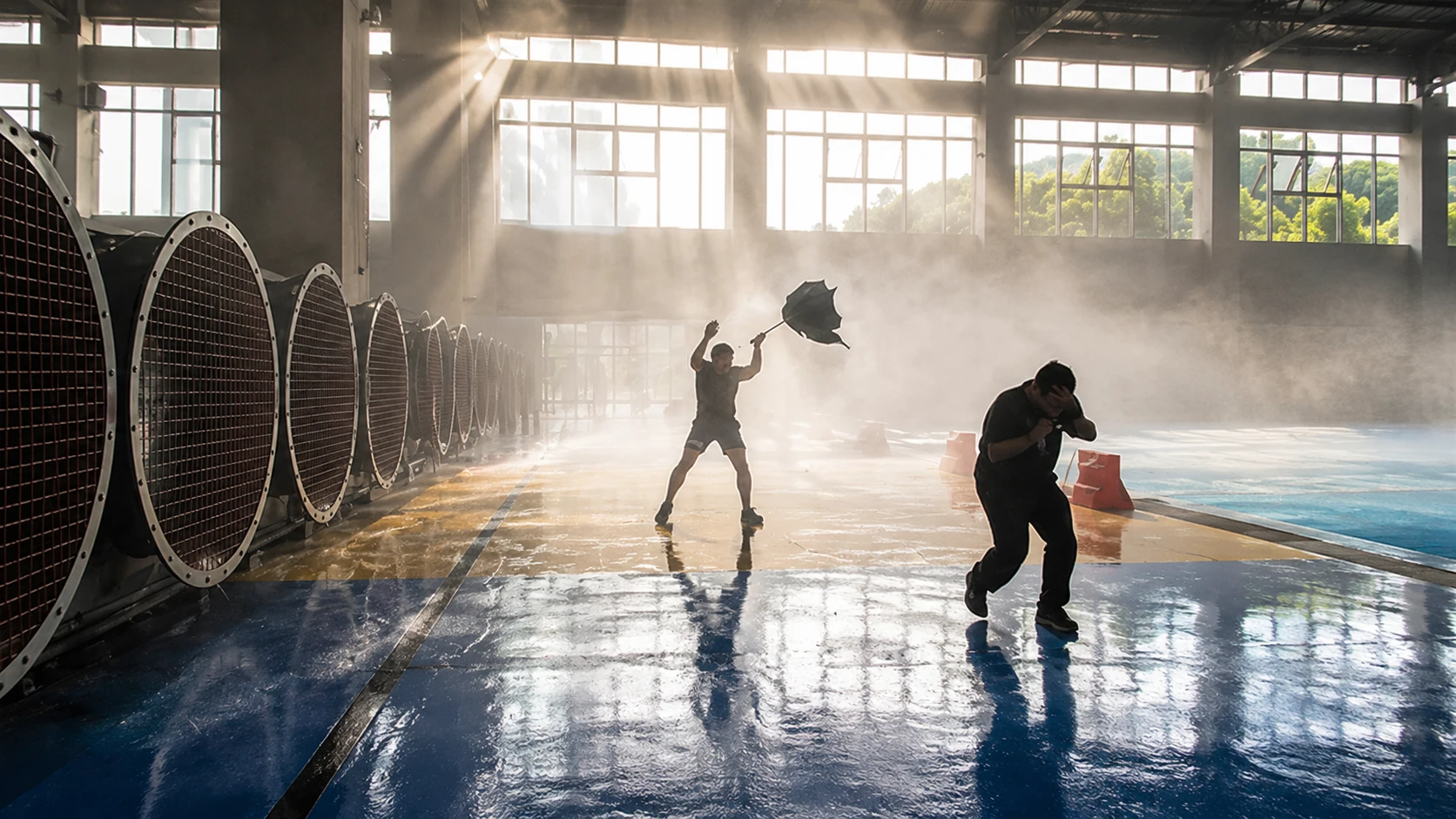
When a Typhoon Warning Reaches the Body
In Hangzhou, 165 km/h winds turn luggage, rain and a few ordinary steps into a physical lesson in when to stop moving.
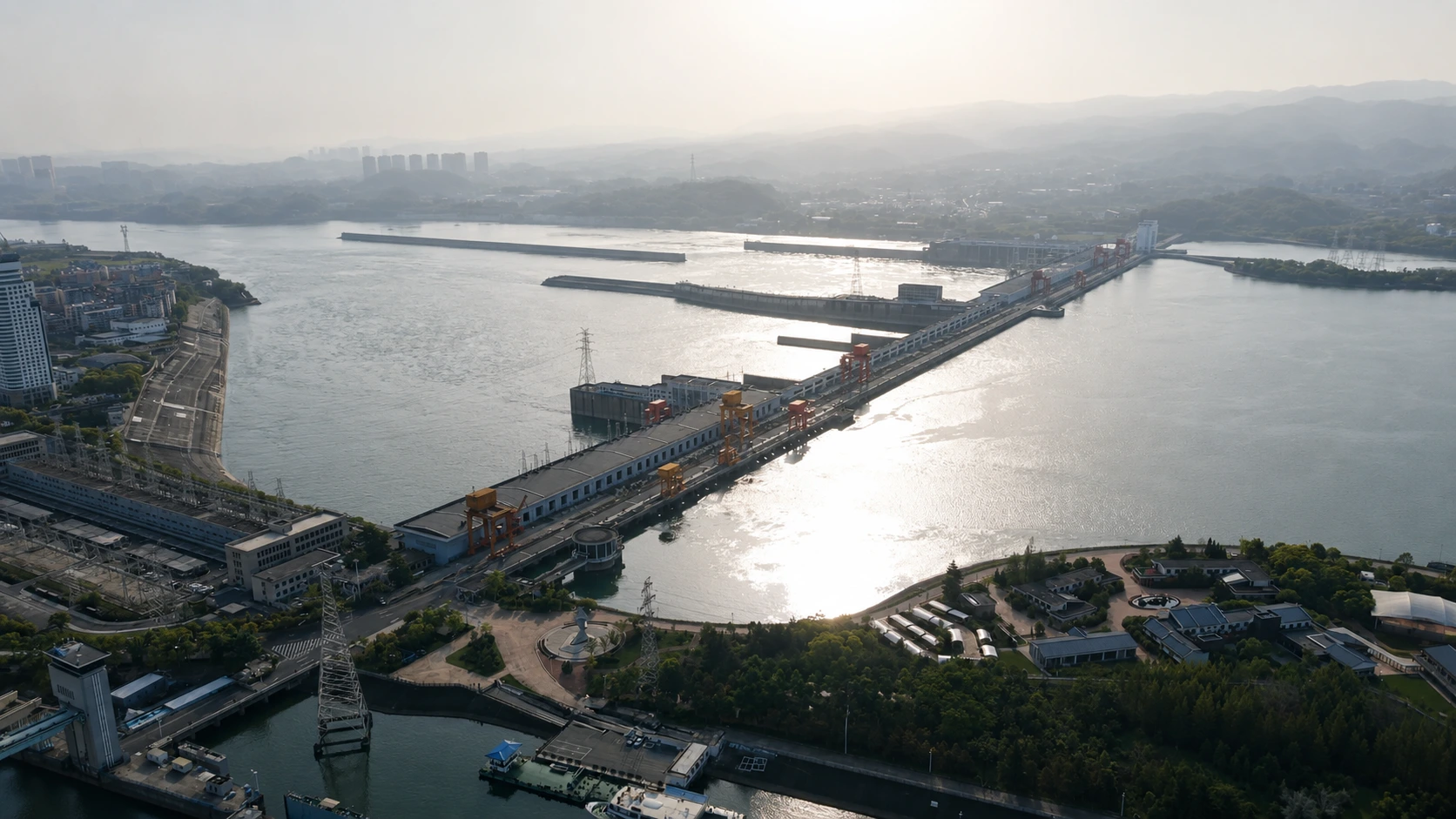
Ten Thousand Workers, One Silence
In 1981, the Yangtze was blocked for the first time in history—a poem became concrete, and a city learned to live with a tamed river.
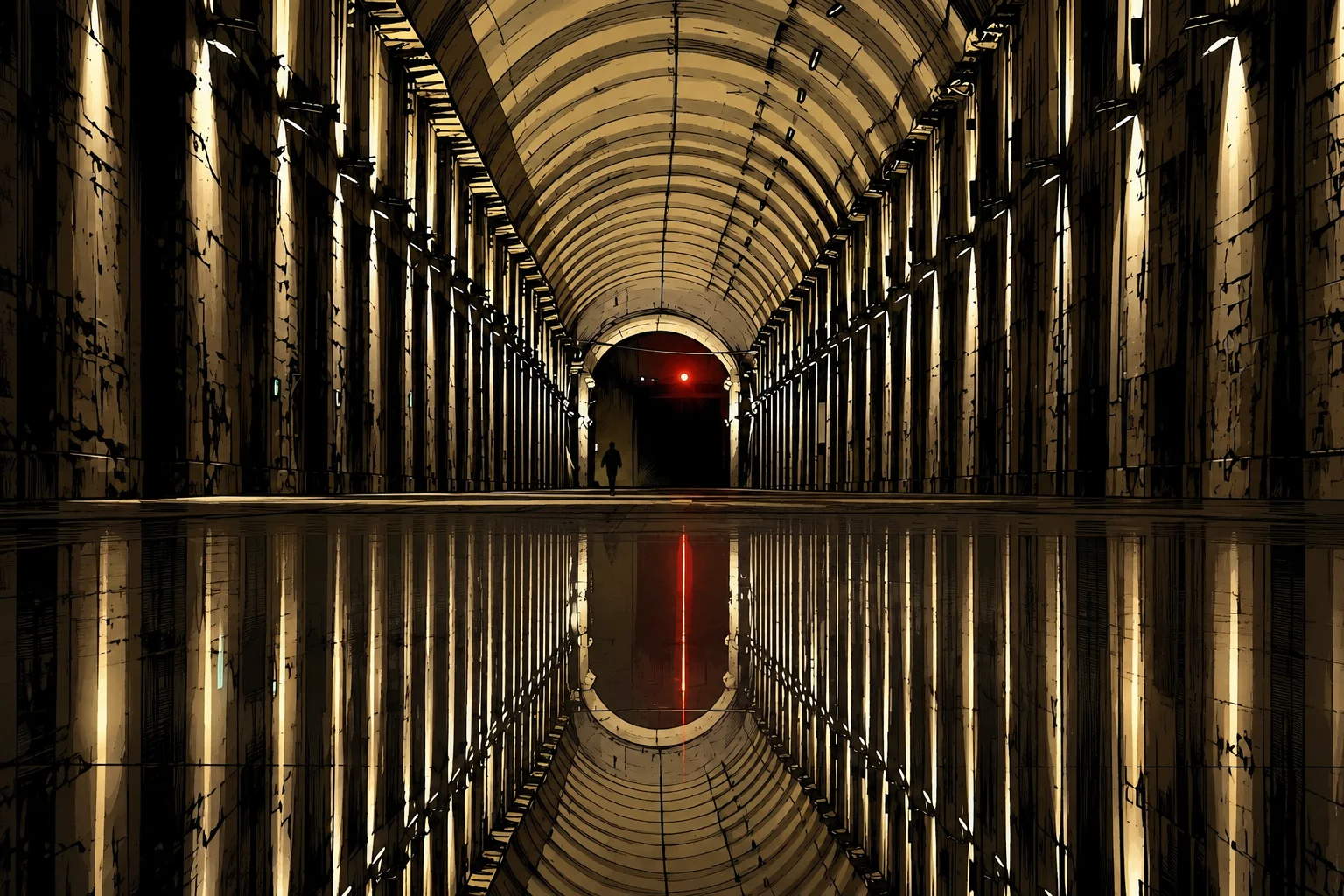
Mailbox 202, Valley Without a Map
In unmapped factories deep in Chongqing's mountains, a generation buried their finest years behind doors marked only by numbers.
Digital Culture
Digital culture in China shapes how people watch sport, gather, advertise, build audiences, and turn local events into national conversations. A village football match becomes a widely shared clip, while an overseas tournament reorganizes sleep, food, and viewing parties at home.
Livestreamers also turn neighborhoods and shopping streets into signals of lifestyle, status, and access. Because platforms and algorithms change quickly, these stories focus on durable behaviors: watching together, building visibility, translating global events, and moving repeatedly between screens and streets. The internet expands an audience, but it also changes the event being watched.
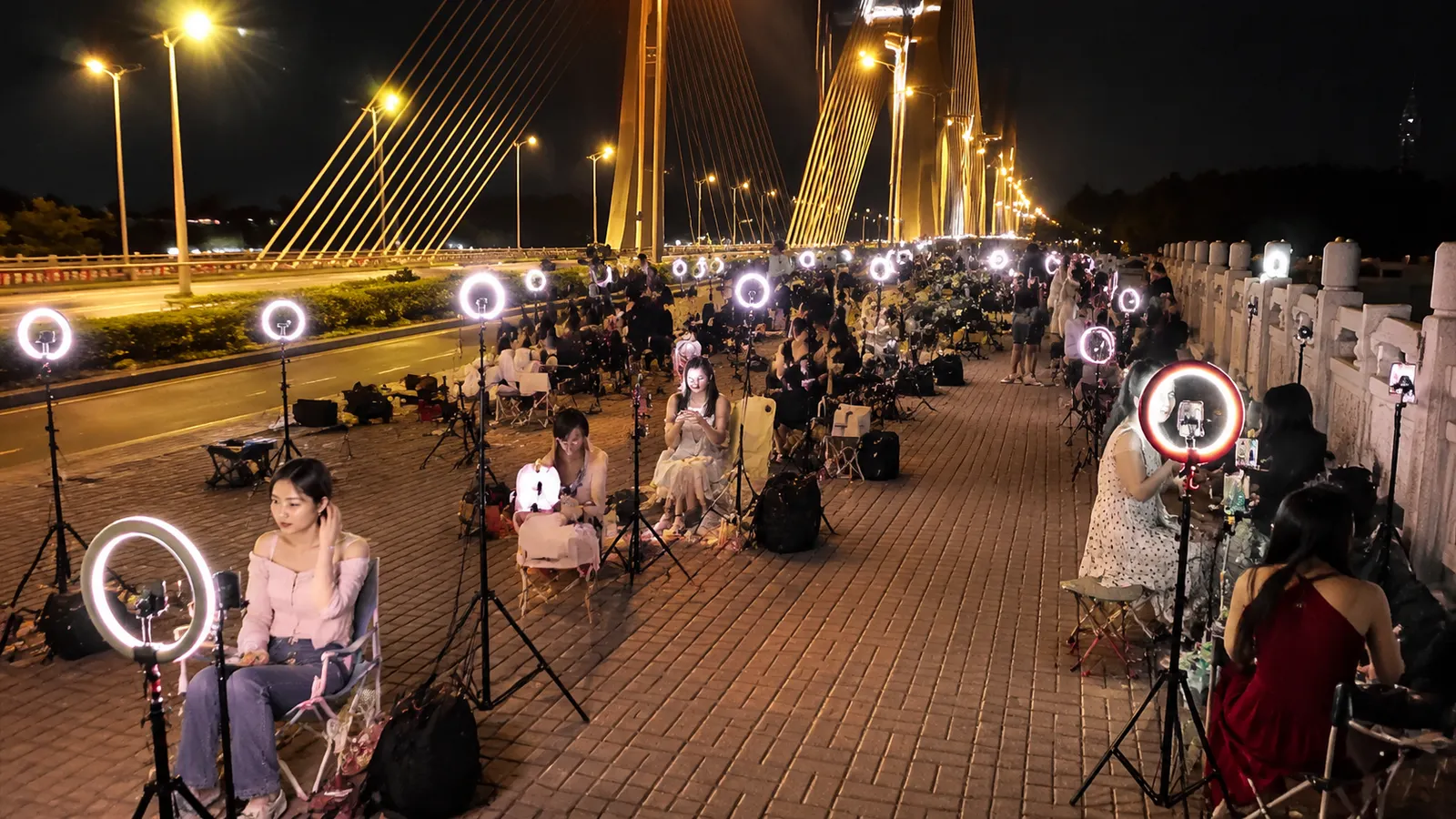
Why Do Chinese Streamers Go Live in Wealthy Areas?
Emma finds a glowing row of roadside streamers and learns why wealthy neighborhoods, cold nights and virtual gifts are all part of the attention game.
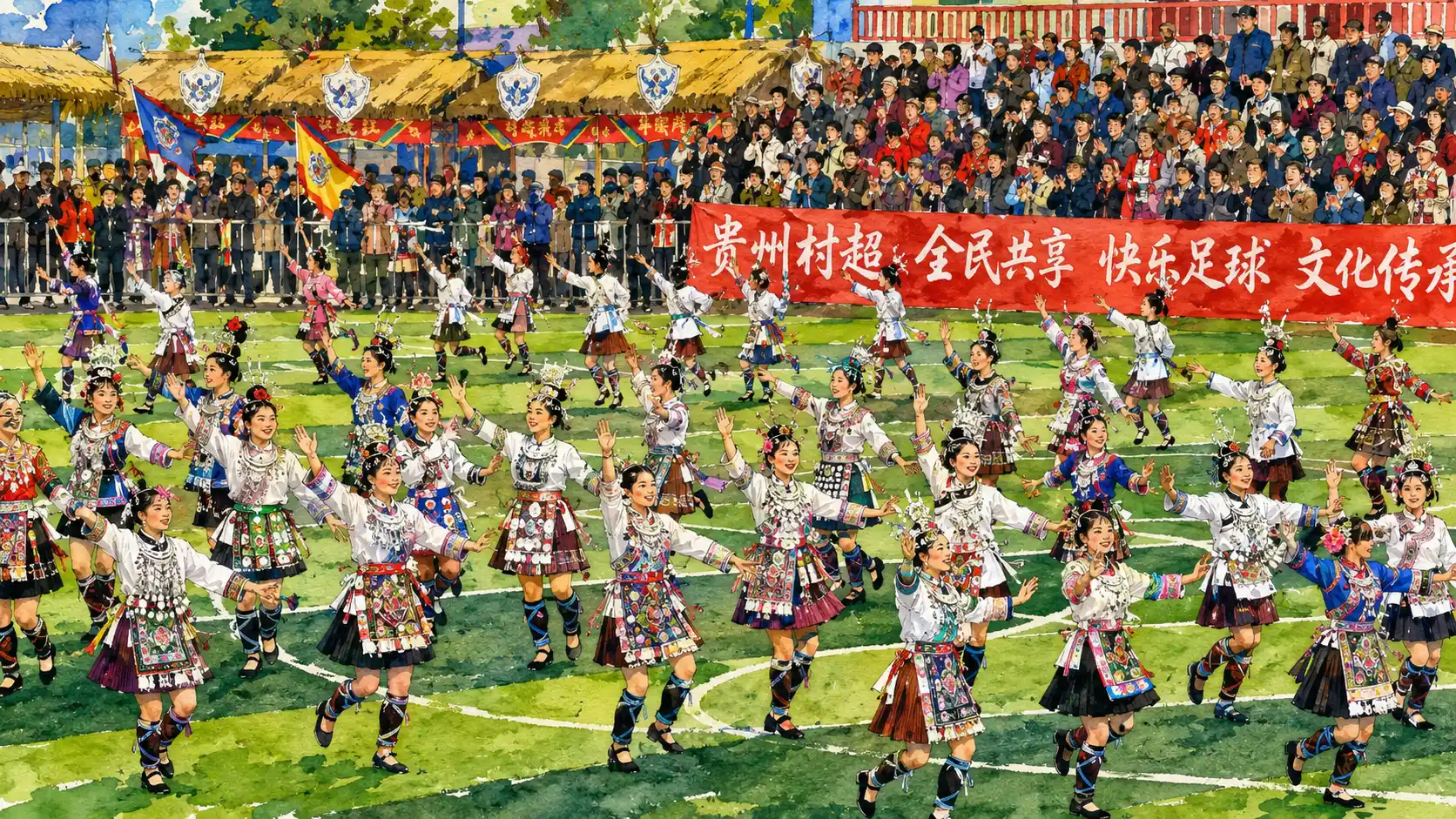
China Has Its Own World Cup
In Rongjiang and Jiangsu, China's football fever lives in county stadiums, village teams, folk songs, cheap tickets, and weekend crowds.
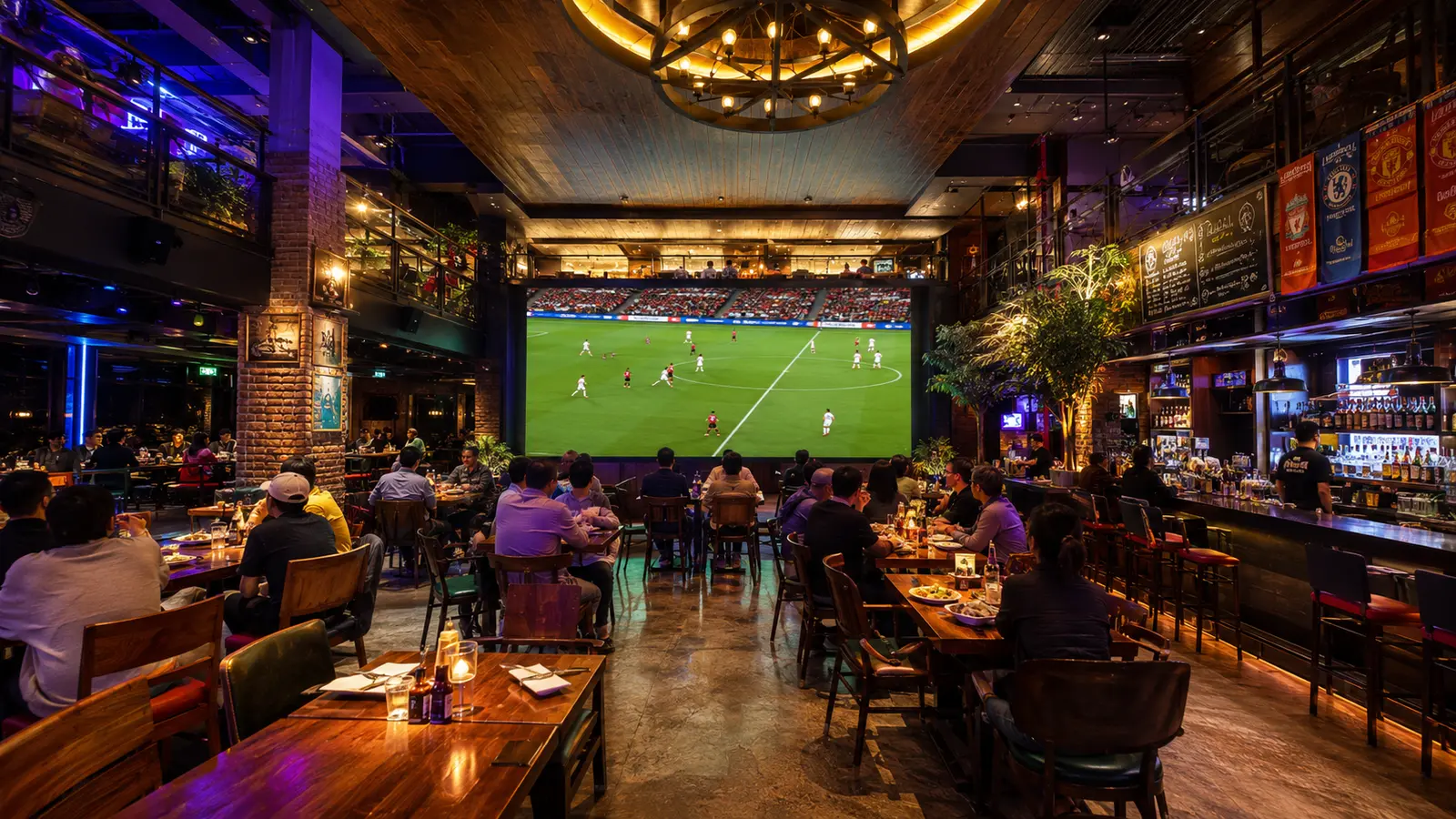
How China Watches the World Cup Without a Team
No Chinese national team, but millions of fans, adopted football stars, social-media watch parties, and one Mandarin phrase for watching the game.